When it comes to roofing, asphalt shingles remain a popular choice for homeowners due…
Double-Hung vs. Casement Windows: Pros, Cons, and Best Use Cases
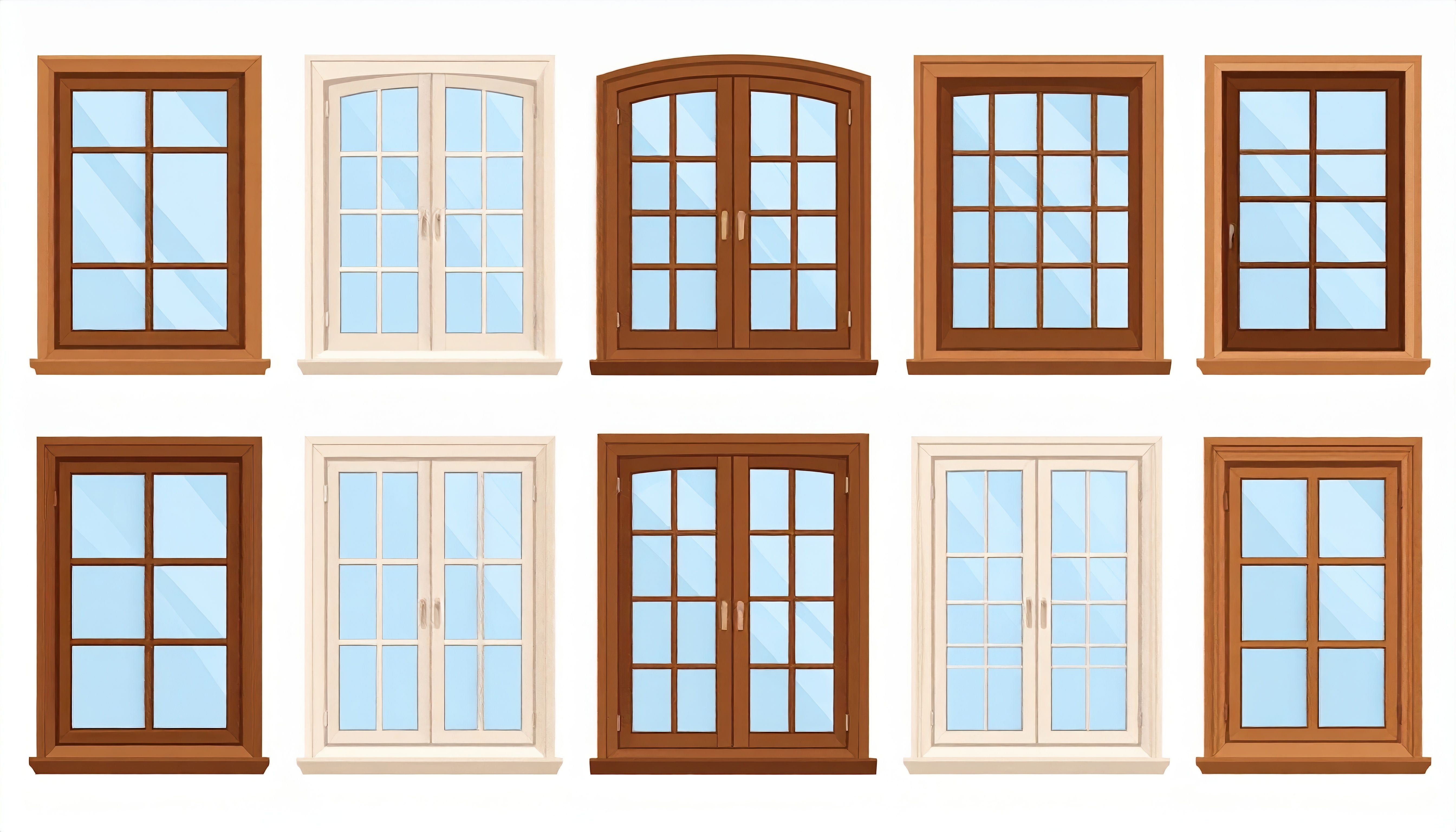
Choosing between double-hung and casement windows comes down to how you want the window to look, open, ventilate, seal, and fit into daily life. Both styles can work beautifully in US homes, but they solve different problems: double-hung windows offer classic flexibility, while casement windows often deliver wide-open airflow and a tighter seal. If you are planning window installation or comparing options with a contractor, understanding these tradeoffs can help you make a confident choice before signing paperwork.
🤔What is the main difference between double-hung and casement windows?
The main difference is how they operate: double-hung windows slide up and down in a frame, while casement windows swing outward on side hinges, usually with a crank. That simple design difference affects ventilation, cleaning, energy performance, accessibility, exterior clearance, and even the style of home where each window looks most natural.
Double-hung windows have two sashes, and in many modern models both the upper and lower sash can move. This lets you open the bottom, the top, or both at once for controlled airflow. Many double-hung units also tilt inward, which makes cleaning the exterior glass easier from inside the home.
Casement windows open more like a door. When fully open, the entire glass area can catch breezes and move air into the room. Because the sash presses tightly against the frame when closed, casements are often favored by homeowners who want stronger sealing performance and easy crank operation.
🪟How double-hung windows fit everyday homes
Double-hung windows are one of the most familiar window styles in the US, especially on colonial, craftsman, farmhouse, traditional, and historic-inspired homes. Their vertical proportions work well on front elevations, bedrooms, living rooms, and upper floors where a classic look matters. They also do not project outward, which makes them practical near patios, decks, walkways, landscaping, or neighboring structures.
They shine when you want adjustable ventilation. Opening the top sash can release warm indoor air, while opening the bottom sash can bring in cooler outside air. Opening both creates a natural circulation path without needing the whole window to be wide open.
Common advantages of double-hung windows include:
- Traditional curb appeal: They blend easily with many US home styles.
- Flexible airflow: You can open the top, bottom, or both sashes depending on weather and privacy needs.
- No exterior swing space: They are a smart choice next to sidewalks, porches, and tight side yards.
- Easier cleaning on many models: Tilt-in sashes make maintenance more manageable from indoors.
- Often lower upfront cost: They are widely available and typically less complex than crank-operated styles.
The tradeoff is that double-hung windows have more places where air can potentially pass through. Quality materials, professional window installation, and a properly fitted unit make a major difference, but a double-hung design generally does not seal as tightly as a casement.
❓Why casement windows appeal to comfort-focused homeowners
Casement windows are a strong choice when you want open views, strong ventilation, and simple operation. Since the sash swings fully outward, the opening is broad and unobstructed by a meeting rail in the middle. This can make a room feel brighter, cleaner, and more connected to the outdoors.
They are especially useful in kitchens, bathrooms, home offices, and hard-to-reach areas. A crank can be easier to use over a countertop or sink than pushing a sash up. For older adults, wheelchair users, or anyone with limited upper-body strength, casement windows may also feel more accessible because they do not require lifting a window sash vertically.
Key benefits of casement windows include:
- Maximum ventilation: The full sash opens outward, so more air can move through the opening.
- Tighter sealing: The sash compresses against the frame when closed, helping reduce drafts.
- Clearer views: There is no horizontal meeting rail across the center of the glass.
- Easy reach in certain rooms: Crank operation works well above counters, tubs, and deep window wells.
- Modern design compatibility: Their clean lines suit contemporary, transitional, and minimalist homes.
Casements do have limitations. The crank mechanism can wear over time, especially if the window is large, heavily used, or exposed to harsh conditions. They also need outdoor clearance, so they may not be ideal beside a busy walkway, tight deck, thick shrub, or exterior obstruction.
💵Cost, energy efficiency, and maintenance comparisons
When comparing double-hung vs casement windows, cost is rarely the only factor, but it matters. Double-hung windows are often less expensive because they are common, widely manufactured, and mechanically simpler. Casement windows may cost more due to their hinges, locks, crank hardware, and installation considerations, though actual pricing depends on size, material, glass package, brand, labor, and project complexity.
Energy efficiency is another important difference. Casement windows often have an advantage because wind pressure can help push the sash more tightly against the frame. Double-hung windows can still perform well, especially with quality weatherstripping and professional installation, but their sliding sash design naturally includes more contact points where gaps can develop over time.
Maintenance depends on the specific product. Double-hung sash balances may eventually fail, causing the sash to feel heavy or not stay open. Casement cranks, hinges, and locking hardware may need adjustment or replacement. Neither style is maintenance-free, so homeowners should consider how often the window will be opened and how easy it will be to access.
A practical comparison looks like this:
Factor
Double-Hung Windows
Casement Windows
Operation
Slides vertically
Swings outward with a crank
Ventilation
Adjustable top and bottom airflow
Wide-open airflow through the full sash
Energy sealing
Good with quality installation
Often tighter when closed
Cleaning
Tilt-in sashes can help
Exterior glass may be harder to reach
Best exterior fit
Tight spaces, walkways, porches
Open exterior areas with clearance
Common concern
Balance or sash issues
Crank and hinge wear
👍Which window is best for your space?
The best window depends on the room, exterior clearance, mobility needs, design goals, and energy priorities. Choose double-hung windows when you want a classic appearance, easy interior cleaning, controlled ventilation, and no outward swing. Choose casement windows when you want stronger airflow, a tighter seal, easier crank operation, and a cleaner glass view.
For a traditional front bedroom, double-hung windows often feel natural and balanced. For a modern kitchen over a sink, casement windows may be easier to open and better for ventilation. For a narrow side yard where the window would swing into a walkway, double-hung is usually more practical. For a homeowner focused on reducing drafts, casement may be worth the additional cost.
Use this quick decision checklist before meeting with a contractor:
- Check exterior clearance. If anything outside blocks an outward swing, avoid casements in that spot.
- Think about who will use the window. A crank may be easier than lifting a sash for some homeowners.
- Match the home’s architecture. Traditional homes often suit double-hung; modern spaces often suit casement.
- Prioritize airflow needs. Choose casement for maximum breeze, double-hung for more controlled ventilation.
- Ask about serviceable parts. Hardware, balances, hinges, and cranks should be easy to maintain or replace.
- Review contract details. For window contracts in MN or any other state, confirm product type, materials, glass options, labor scope, warranty terms, and cleanup responsibilities in writing.
⏰Security and practical use deserve attention
Security depends on product quality, lock design, installation, and how the window is used. Casement windows often have hook-shaped or multi-point locking systems that can be difficult to force when engaged. Double-hung windows typically use sash locks, and some models include additional features such as reinforced locks or vent latches.
The practical takeaway is simple: the best lock is the one you will actually use consistently. A high-quality window that is poorly installed or left unlocked will not perform as intended. During your planning conversation, ask how each style locks, how it vents securely, and whether the hardware feels comfortable for daily use.
🔑Final takeaway
There is no universal winner in the double-hung vs casement windows decision. Double-hung windows are dependable, traditional, space-saving, and easy to live with in many rooms. Casement windows offer excellent airflow, clean views, accessible operation, and strong sealing performance.
If you're comparing options for a replacement project, One Nation Exteriors can walk you through style, placement, performance, and contract details without reducing the decision to looks alone. Our team has installed both window types across Twin Cities homes and knows how each performs through Minnesota's seasons, not just on a showroom floor. The right window should fit the architecture of your home, the way you use each room, and the practical realities of your exterior space, and we're here to help you land on the one that actually does.