

When it comes to roofing, asphalt shingles remain a popular choice for homeowners due…
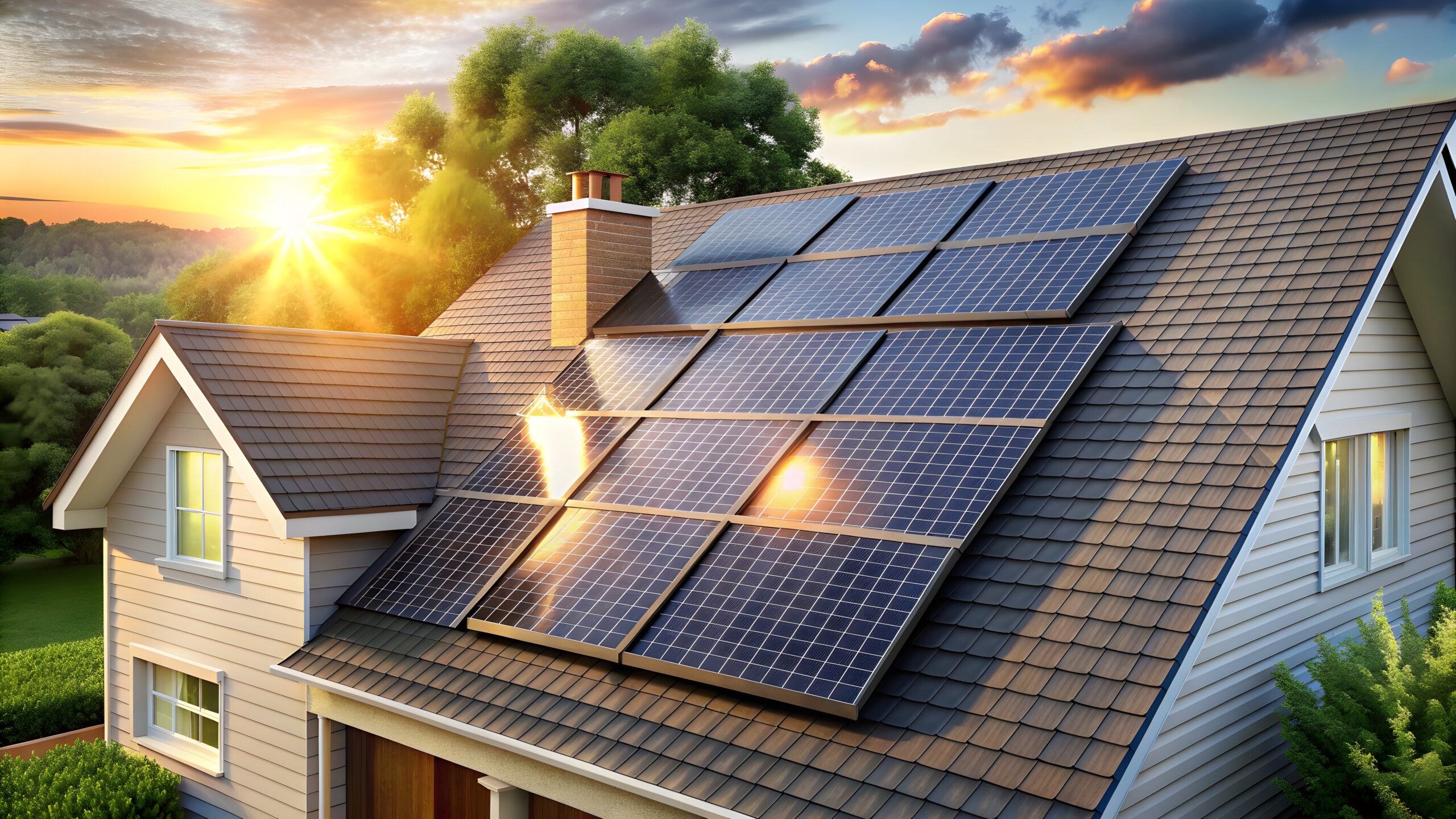
Solar Shingles ROI Calculator: Maximize Savings
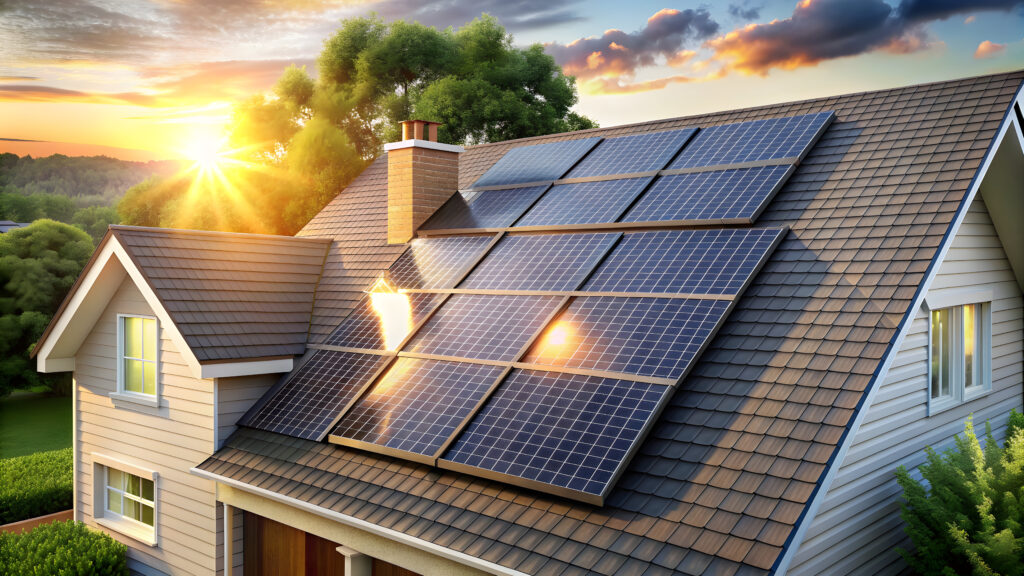
Solar shingles are changing the way homeowners think about energy. They blend seamlessly with your roof, unlike traditional solar panels. This innovation offers both aesthetic and functional benefits.
But how do you know if they’re a good investment? That’s where a solar shingles ROI calculator comes in. It helps you estimate when your investment will pay off.
Understanding the financial benefits is crucial. Solar shingles can increase your property value. They also offer significant energy savings over time.
Factors like local energy rates and government incentives play a role. These can greatly affect your return on investment.
Using an energy savings calculator can provide insights into potential savings. It estimates monthly and annual reductions in your electricity bills.
Solar shingles are not just about savings. They contribute to environmental sustainability. This makes them an attractive option for eco-conscious homeowners.
Ready to explore the potential of solar shingles? Let’s dive into the details.
What Are Solar Shingles? A Modern Alternative to Solar Panels
Solar shingles are an innovative roofing solution. They merge the functionality of solar panels with traditional roofing materials. This dual-purpose design offers an attractive alternative for homeowners.
Unlike bulky solar panels, solar shingles lie flat and blend with the roof. This aspect makes them less noticeable. They maintain the home’s aesthetic while generating renewable energy.
Here’s how they stand out:
- Aesthetic Appeal: Seamlessly integrate with roofing materials.
- Dual Functionality: Serve as both roof and solar panel.
- Space Efficiency: Maximize roof space without added structures.
The installation of solar shingles is typically more complex than panels. They require specialized labor and unique techniques. But the result is a sleek and efficient energy source.
Solar shingles also contribute to environmental goals. They harness solar energy, reducing reliance on fossil fuels. This renewable energy option is both practical and sustainable for many homeowners.
Overall, solar shingles are changing the landscape of residential solar energy. They offer a blend of beauty and efficiency.
How Solar Shingles Work and Their Key Benefits
Solar shingles operate like solar panels. They capture sunlight and convert it into electricity. This process empowers homes with clean, renewable energy.
They are composed of solar cells embedded in the shingles. These cells convert sunlight to direct current (DC) electricity. An inverter then changes the DC into alternating current (AC), powering household appliances.
The benefits of solar shingles include:
- Increased Property Value: Homes with solar energy systems attract potential buyers.
- Reduced Energy Bills: Homeowners can save significantly on electricity bills.
- Environmental Impact: They lower carbon footprints by using sustainable energy.
Solar shingles are ideal for those seeking both style and functionality. Their subtle design does not compromise on energy efficiency. They blend seamlessly with many roof types and styles.
These eco-friendly shingles support energy independence. They reduce reliance on grid-supplied power, cutting utility costs. Solar shingles are a smart investment for future-focused homeowners.
Understanding the Costs: Solar Shingles vs. Traditional Solar Panels
Solar shingles and traditional solar panels come with different costs. Solar shingles often have a higher upfront cost. This is due to their dual function as both roofing material and energy generator.
Traditional solar panels might be less expensive initially. However, their installation can be more involved. They require mounting on existing roofs, sometimes needing structural adjustments.
When considering costs, it’s important to account for the following:
- Installation: Solar shingles often require specialized labor, adding to costs.
- Longevity: Both options typically last around 25-30 years, providing long-term value.
- Aesthetic Appeal: Solar shingles offer a more seamless look, which might justify their cost for some homeowners.
Although solar shingles may cost more upfront, they integrate beautifully with your home’s design. This aesthetic appeal often adds value to the home.
Overall, choosing between solar shingles and panels depends on your priorities. Weighing upfront costs against aesthetic and functional benefits is key. Consider both options’ long-term savings and appearance for the best decision.
What Is ROI and Why Does It Matter for Solar Shingles?
Return on Investment (ROI) measures the profitability of an investment. For solar shingles, it determines how long before your energy savings offset the installation cost. This calculation helps assess whether solar shingles are a financially wise choice.
Understanding ROI is crucial because it impacts financial planning. It provides a clear view of potential savings and investment benefits. Homeowners need this insight to make informed decisions.
Several factors influence the ROI of solar shingles, including:
- Initial Investment: Higher upfront costs can extend the payback period.
- Energy Savings: Increased savings lead to quicker ROI.
- Incentives: Government programs can shorten the return period.
Evaluating these aspects helps homeowners calculate potential benefits and make smarter investments.
How to Use a Solar Shingles ROI Calculator
Using a solar shingles ROI calculator is a straightforward process. It involves inputting key details about your home and energy usage. This tool helps you estimate how long until your investment pays off.
First, gather necessary information like installation costs. You will also need your average monthly energy bill and local energy rates. Details about your roof’s orientation and available sunlight are also crucial.
Once you have these details, input them into the ROI calculator. The calculator will analyze this data to provide an estimated payback period. It may also display potential energy savings over time.
Some calculators allow for customization. You may adjust variables like maintenance costs or expected energy cost inflation. This customization can give a more personalized estimate.
Using a solar shingles ROI calculator empowers you to make well-informed investment decisions. It offers a clear view of the financial benefits and timeline for your solar shingle installation. This tool is a valuable resource for any homeowner considering solar technology.
Key Factors That Impact Your Solar Shingles ROI
Several critical factors impact the ROI of solar shingles. Understanding these can help in making informed decisions.
Local energy rates play a significant role. Areas with higher rates see quicker payback periods. Lower rates can lengthen the time to recoup your investment.
Sunlight availability is another key factor. Homes in sunnier regions benefit more. Locations with less sunlight may see reduced solar output.
Roof orientation affects solar efficiency. South-facing roofs typically yield better results. East or west-facing roofs might not harness as much energy.
Government incentives can greatly influence ROI. Tax credits and rebates can lower initial costs. These savings improve your return timeline.
Installation costs vary across regions. High labor costs can increase installation expenses. This might impact the overall return on investment.
Here’s a quick list of factors affecting your ROI:
- Local energy rates
- Sunlight availability
- Roof orientation
- Government incentives
- Installation costs
Considering these elements ensures a thorough understanding of potential savings. Knowing them supports a more accurate forecast of your solar shingle investment.
Step-by-Step: Calculating Your Payback Period
Calculating the payback period for solar shingles can seem complex. However, breaking it down helps simplify the process.
First, determine your total upfront cost. This includes the shingles, installation, and any additional equipment. Keep a record of all expenses for accuracy.
Next, assess your energy savings. Use your current monthly electricity bills as a baseline. Compare this to projected savings with solar shingles.
Consider any applicable tax credits or rebates. These incentives can substantially reduce costs. Deduct these from your initial investment.
Estimate how much you will save annually with solar shingles. Divide your net investment by this annual savings. This calculation gives a rough payback period.
Here’s a quick list of steps to guide you:
- Determine total upfront cost
- Assess energy savings
- Include tax credits or rebates
- Calculate annual savings
- Divide net investment by annual savings
By following these steps, you will have a clearer picture of your solar shingles’ financial benefits. This approach helps gauge the timeline for recouping your investment.
Energy Savings Calculator: Estimating Your Monthly and Annual Savings
An energy savings calculator helps estimate your monthly and yearly electricity savings with solar shingles. It’s a powerful tool for planning your investment.
First, gather your recent electricity bills. You’ll need this data to input your current energy usage. The calculator will compare this to the savings with solar shingles.
Next, enter details about your solar shingles system. This includes the total kilowatt capacity and expected efficiency rates. Calculators may also ask for your geographic location to assess sunlight exposure.
Finally, review the estimated savings output. The tool shows potential reductions in energy costs each month and over the year.
Here’s how it works:
- Input current energy usage
- Add system details and location
- Review savings estimates
These estimates give homeowners a clearer idea of financial benefits. They also assist in understanding how quickly the system may pay for itself. Using this calculator is an essential step before making a solar investment.
Government Incentives, Tax Credits, and Rebates
Government incentives significantly impact the cost of solar shingles. They lower your initial investment, making solar more appealing.
Federal and state programs offer tax credits. These credits reduce your tax liability, directly affecting your out-of-pocket expenses.
Some local governments provide rebates for solar installations. Rebates are direct discounts that further decrease the amount you pay.
To maximize savings, it’s crucial to understand what’s available. Consider the following typical benefits:
- Federal tax credits
- State-specific incentives
- Local government rebates
Before purchasing, research these incentives carefully. They can greatly influence the return on your solar shingles investment. Staying informed ensures you take full advantage of available savings opportunities. Explore incentive options today to reduce your costs effectively.
Real-World Example: Solar Shingles ROI Calculation
Understanding the return on investment for solar shingles can be made clearer with a real-world example. Consider a homeowner in sunny California.
They decide to install solar shingles on a 2,000 square foot roof. The installation costs $25,000, a typical investment in this scenario.
Local energy rates play a big role in savings. In this case, electricity costs 20 cents per kilowatt-hour (kWh).
Using an energy savings calculator, we estimate $2,000 in annual electricity bill savings. This amount results from avoiding expensive grid electricity.
Tax credits reduce the initial investment by 26%. The effective cost becomes approximately $18,500 after the federal credit.
Here’s a simplified breakdown of factors:
- Total installation cost: $25,000
- Annual savings: $2,000
- Federal tax credit: 26%
- Effective investment: $18,500
With these calculations, the break-even point occurs in just over 9 years. This example demonstrates how solar shingles can offer substantial ROI.
Maintenance, Lifespan, and Long-Term Value
Solar shingles combine durability and longevity, often lasting up to 30 years. This long lifespan is similar to traditional solar panels.
Regular maintenance ensures optimal performance. Cleaning the shingles and checking for damage is crucial.
Here are essential maintenance tips:
- Clean regularly: Remove dirt and debris.
- Inspect for damage: Look for cracks or wear.
- Check electrical connections: Ensure they’re secure.
Long-term, solar shingles contribute to raising property value. This increase stems from energy savings and aesthetic appeal. Their sleek design integrates seamlessly with the roof.
The initial higher cost can yield greater returns. Over time, the savings offset the investment, providing both financial and environmental benefits.
Common Questions About Solar Shingles ROI Calculators
Homeowners often wonder if these calculators are accurate. They provide estimates based on input data, which includes various factors.
Another common question involves ease of use. Most calculators are user-friendly, requiring basic inputs like location and energy use.
Here are some questions frequently asked:
- How accurate are these estimates?
- What information do I need to input?
- Can I trust the savings forecast?
These tools are designed to guide investment decisions. They give valuable insights into potential financial benefits and savings.
Is Solar Worth It? Weighing Financial and Environmental Benefits
Investing in solar shingles is a significant decision. It involves careful consideration of both cost and impact. Financially, solar shingles can increase home value and decrease energy bills.
Environmentally, solar energy is a renewable resource that promotes sustainability. By using solar power, homeowners contribute to reducing carbon footprints. This aligns with eco-friendly goals for future generations.
When deciding, weigh these benefits:
- Long-term savings on electricity bills
- Increased property value
- Positive environmental impact
Ultimately, the choice to install solar shingles should balance financial gains with the desire to protect the environment. Both aspects are pivotal in making a smart, informed decision.
Conclusion: Making the Smart Choice for Your Home
Choosing solar shingles involves both practical and ethical considerations. It’s not only about immediate savings. Consider long-term benefits like increased property value and reduced energy bills.
Moreover, as clean energy becomes essential, solar shingles position your home for the future. They offer an aesthetic appeal without sacrificing efficiency. Weigh all aspects carefully. This ensures your choice adds both financial and environmental value.
By opting for solar shingles, you contribute to a sustainable future. It’s a forward-thinking investment that aligns with global green efforts.


