

When it comes to roofing, asphalt shingles remain a popular choice for homeowners due…
Home Heat Loss Solutions: Save Energy & Stay Cozy
Home heat loss is a common issue that can lead to higher energy bills. It also makes your home less comfortable.
Understanding where your home loses heat is crucial. It helps you take steps to improve energy efficiency.
Many homeowners are unaware of the main areas where heat escapes. This guide will highlight these key areas.
We will also provide practical solutions to fix them. From attic insulation to sealing windows, there are many ways to reduce heat loss.
By addressing these issues, you can save money and increase comfort. Plus, you’ll contribute to a more sustainable environment.
Let’s explore the five areas of your home losing heat and how to fix them.
Understanding Home Heat Loss: Why It Matters
Home heat loss is more than just a nuisance. It’s a financial drain and impacts your comfort at home. Even small gaps and leaks can significantly inflate energy bills.
To illustrate, imagine trying to fill a leaky cup. The more holes, the more effort it takes to keep it full. Similarly, heat escaping through various parts of your home requires more energy to maintain warmth.
Reducing heat loss means you consume less energy, which saves money. It also means using fewer fossil fuels, thus reducing your carbon footprint. This is crucial for both the environment and future generations.
Here are some reasons why addressing heat loss matters:
- Cost savings: Lower energy bills mean more money in your pocket.
- Comfort: A well-insulated home stays warmer during cold months.
- Environmental impact: Reduced energy use helps protect our planet.
In short, minimizing heat loss offers both immediate and long-term benefits. It’s an investment in your home and the environment.
1. Attic: The Top Culprit for Heat Loss
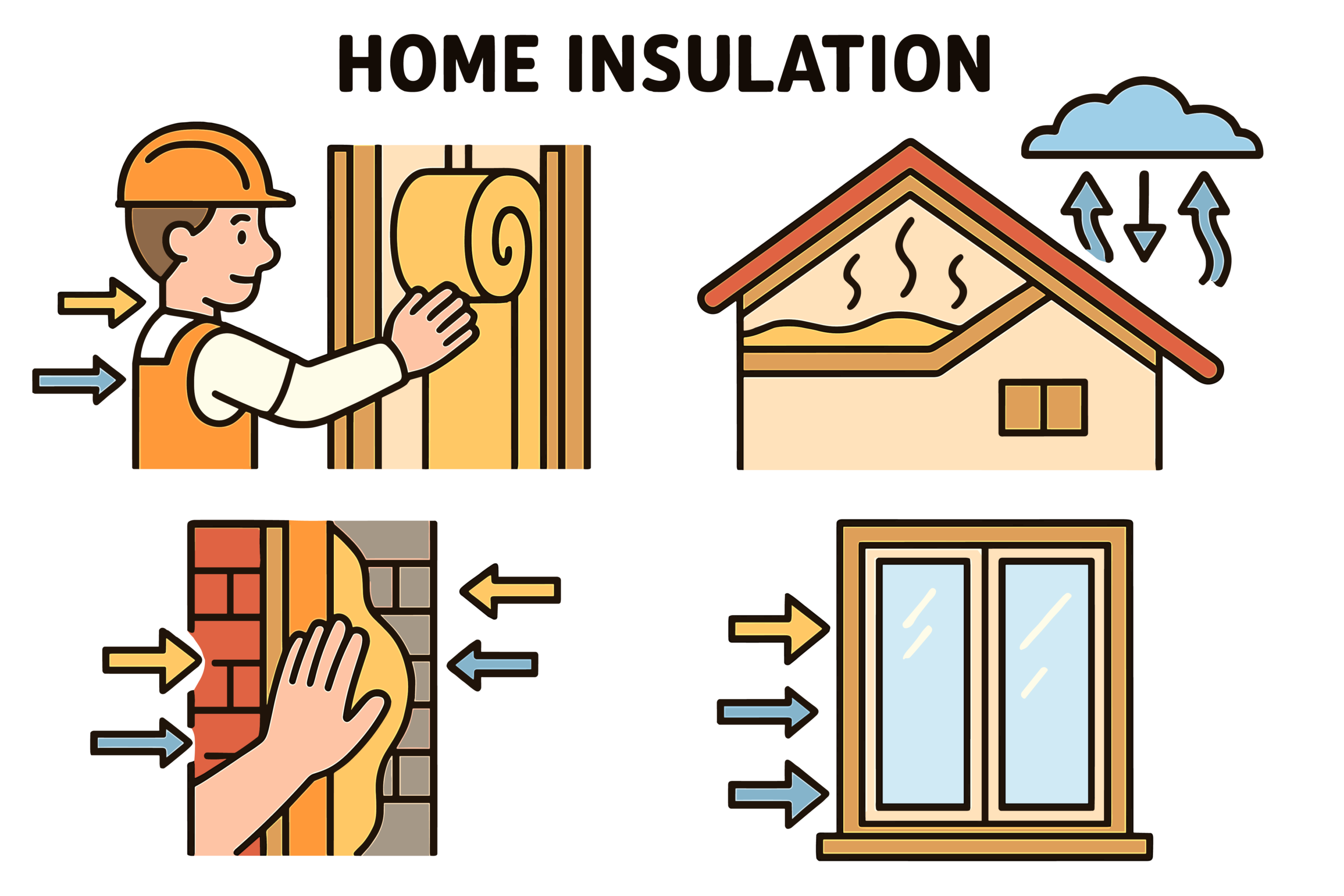
The attic is often the primary source of heat loss in many homes. Warm air rises, and if your attic isn’t well-insulated, that heat escapes quickly. This leaves your heating system working overtime to maintain a comfortable indoor temperature.
Attic insulation plays a crucial role in energy efficiency. Without adequate insulation, you might be losing up to 20% of your heating through the attic space. Blown-in attic insulation is a popular choice for enhancing thermal efficiency.
Installing or upgrading your attic insulation can significantly cut heating costs. Blown-in insulation services can help ensure a seamless application of materials, fully covering nooks and crannies. This type of insulation not only stops heat from escaping but also prevents cold air from coming in.
In climates like Minnesota, proper attic insulation is crucial. It helps to keep your home warm during the harsh winters and cool in summer. Here are some steps to take for effective attic insulation:
- Assess current insulation: Check the thickness and R-value.
- Choose the right type: Consider materials like cellulose or fiberglass.
- Hire professionals: Blown-in insulation services provide expert installation.
The investment in attic insulation pays off through reduced energy consumption. It can also increase your home’s value. A well-insulated attic is a foundational step toward improving energy efficiency.
2. Walls: Hidden Pathways for Escaping Warmth
Walls often account for significant heat loss, especially if they lack proper insulation. They are large surface areas where warmth can silently seep out. This is a concern in older homes that may have no insulation at all.
Without insulation, walls not only let heat escape but also allow cold drafts. This makes rooms uncomfortable and increases your heating costs. Insulating walls effectively traps heat inside, improving overall home comfort.
To address wall insulation, start by checking for cold spots. This will help you identify areas needing attention. Consider whether additional insulation can be installed without significant renovations, such as through blown-in insulation methods.
Choosing insulation with a good R-value is crucial. This rating indicates the insulation’s ability to resist heat flow. Here are the steps to improve wall insulation:
- Inspect existing insulation: Determine its effectiveness.
- Seal any leaks: Use caulking or weatherstripping around windows and outlets.
- Consider blown-in insulation: Especially for hard-to-reach spaces within walls.
Improving wall insulation can make a significant difference in energy bills and home comfort. It’s an investment that pays back through enhanced energy efficiency and reduced costs.
3. Windows and Doors: Drafts and Leaks
Windows and doors are common culprits when it comes to home heat loss. Poorly sealed windows and doors can let out warm air while allowing cold drafts in. This can create discomfort and raise heating bills significantly.
Gaps and cracks around these openings allow heat to escape. Even well-sealed doors and windows can develop drafts over time due to wear and tear. Regular maintenance is crucial to maintaining energy efficiency.
To minimize heat loss, focus on sealing windows and doors properly. Simple steps like weatherstripping or adding caulking around window frames can block drafts. These solutions are cost-effective and easy to apply, yet they offer a substantial impact on energy savings.
Consider upgrading to energy-efficient windows for an even greater reduction in heat loss. Double or triple-pane windows provide superior insulation. If replacement isn’t feasible, thermal curtains can help retain heat during cold months.
Here’s a checklist to effectively reduce heat loss through windows and doors:
- Seal with weatherstripping: Check edges for gaps.
- Apply caulking: Target window frame cracks.
- Install draft stoppers: Use at door bottoms.
- Add storm windows: Enhance insulation.
- Consider thermal curtains: They retain warmth.
By addressing drafts and leaks, you can enjoy a cozier home while saving on heating costs.
4. Floors Above Unheated Spaces
Floors above unheated spaces, such as garages or basements, are often overlooked sources of heat loss. These areas can act like cold zones, drawing warmth away from living spaces. Insufficient floor insulation can exacerbate this issue by allowing heat to escape more readily.
To combat heat loss in these areas, start by assessing the insulation beneath your floors. Enhancing insulation here can dramatically improve comfort and energy efficiency. Insulating the flooring helps maintain a stable indoor temperature, making your home more pleasant during cold months.
Simple changes can make a big difference. Carpet and rugs are excellent solutions for adding a layer of insulation. For even better results, consider installing foam board or rigid foam insulation between floor joists.
Here’s a list of methods to insulate floors effectively:
- Add rugs or carpets: Increases floor warmth.
- Install foam board insulation: Between joists.
- Consider radiant floor heating: For added comfort.
- Check and seal floor leaks: Prevents drafts.
Improving floor insulation not only keeps your home comfortable but also significantly reduces energy costs. This straightforward fix enhances your overall living experience and protects against unwanted heat loss.
5. Basements and Crawl Spaces: The Forgotten Zones
Basements and crawl spaces are often overlooked when it comes to preventing home heat loss. Many homeowners don’t realize how much warmth escapes from these areas. Lack of insulation or poor sealing can lead to a surprising amount of heat loss.
Ensuring that your basement and crawl spaces are well-insulated is crucial. These areas can act as a conduit for cold air, seeping into your home and lowering the overall temperature. Insulating walls and ceilings in basements will help create an effective barrier against the cold.
It’s also important to address any moisture issues. Dampness can decrease insulation effectiveness and increase heat loss. Waterproofing these spaces can help maintain their insulation properties and improve your home’s energy efficiency.
Consider these actions to make your basement and crawl spaces more energy-efficient:
- Insulate walls and ceilings: Prevents heat escape.
- Seal air leaks: Reduces drafts.
- Control moisture: Enhances insulation efficiency.
- Use vapor barriers: Prevents condensation.
Prioritizing improvements in these often-neglected zones can drastically cut your energy bills. Ensuring proper insulation and sealing in basements and crawl spaces not only increases energy savings but also enhances your home’s comfort.
How to Identify Heat Loss: The Value of a Home Energy Audit
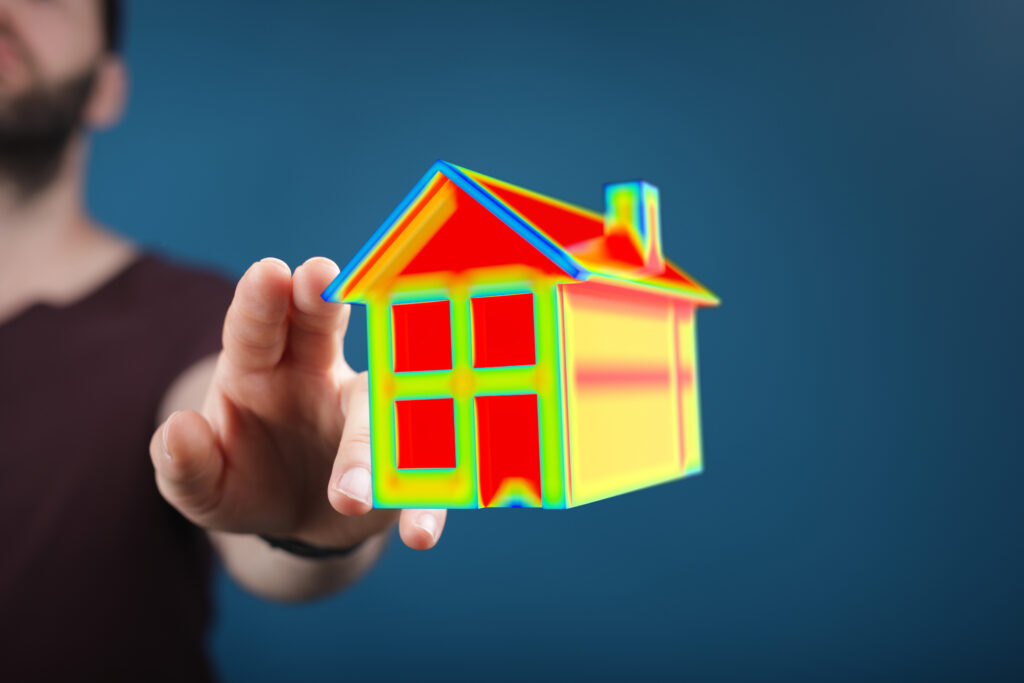
A home energy audit is an essential step in uncovering sources of heat loss. This assessment provides a comprehensive analysis of your home’s energy efficiency. Professional auditors use specialized equipment to detect problem areas.
Identifying specific points of heat escape allows for targeted improvements. Auditors will typically examine your entire home, looking for gaps, leaks, and inadequate insulation. This detailed approach ensures that no area is overlooked, ensuring maximum energy savings.
Consider these benefits of a home energy audit:
- Locates air leaks: Identifies doors, windows, and other sources.
- Evaluates insulation: Checks effectiveness and coverage.
- Analyzes energy use: Provides personalized efficiency tips.
Investing in an energy audit can lead to significant savings and improved comfort. With expert advice, you can prioritize the most impactful upgrades.
Energy Efficiency Tips for Every Homeowner
Boosting energy efficiency doesn’t require major renovations. Small changes can make a significant difference in your heating bills. Implementing a few simple practices can enhance your home’s efficiency.
Consider these practical energy efficiency tips:
- Weatherstrip doors and windows to seal out drafts.
- Use heavy curtains to retain warmth in colder months.
- Install programmable thermostats for better temperature control.
Focusing on these simple adjustments can have a lasting impact. Besides saving money, improved efficiency also increases comfort. Both small changes and larger upgrades contribute to a more sustainable home environment. Taking action now can lead to substantial savings and a cozier home.
Choosing the Right Insulation and Professional Services
Selecting the correct insulation can greatly impact your home’s energy efficiency. Different materials cater to diverse needs and budgets. Understanding these options is crucial for effective insulation.
Consider hiring professionals for the installation. They ensure proper coverage and can identify specific areas of concern. Professional services often come with warranties, providing peace of mind.
Key factors to consider when choosing insulation and services:
- R-value: Measures insulation’s effectiveness.
- Installation method: Some require professional assistance, like blown-in insulation.
- Local climate: Influences the choice of insulation type.
By making informed decisions, you can enhance your home’s comfort and efficiency. Prioritize the areas with the most heat loss for maximum impact.
Conclusion: Take Action to Stop Home Heat Loss
Addressing home heat loss is essential for maximizing energy efficiency and comfort. Identifying and fixing areas of heat escape can significantly lower utility bills. Taking action now ensures your home stays cozy during colder months.
Consider conducting a home energy audit to pinpoint the most significant issues. Implementing the right solutions can yield substantial savings over time. Whether through DIY efforts or professional help, improving insulation and sealing leaks is a worthwhile investment. Prioritize making your home energy-efficient and enjoy the long-term benefits.


