

When it comes to roofing, asphalt shingles remain a popular choice for homeowners due…
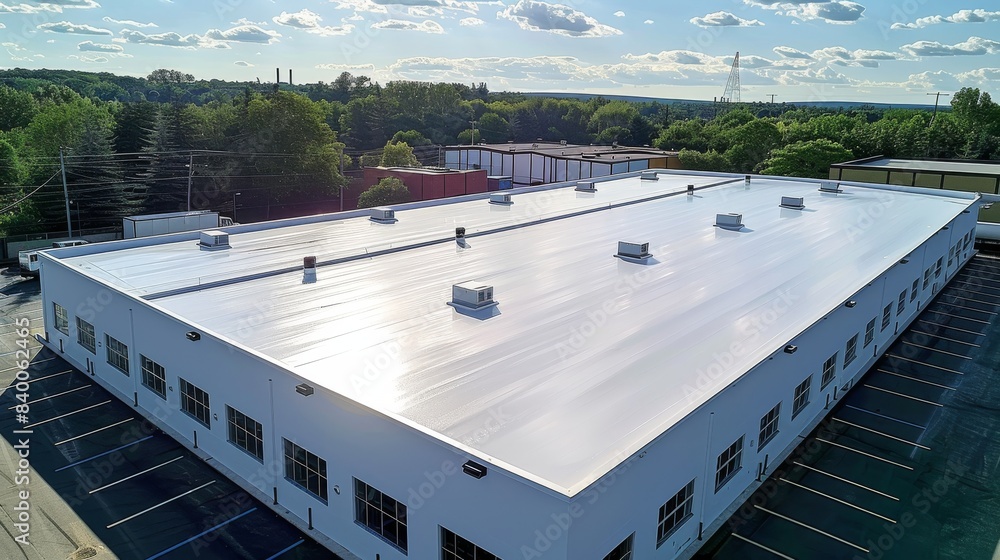
Flat Roofing for Multi-Family Properties: A Complete Guide
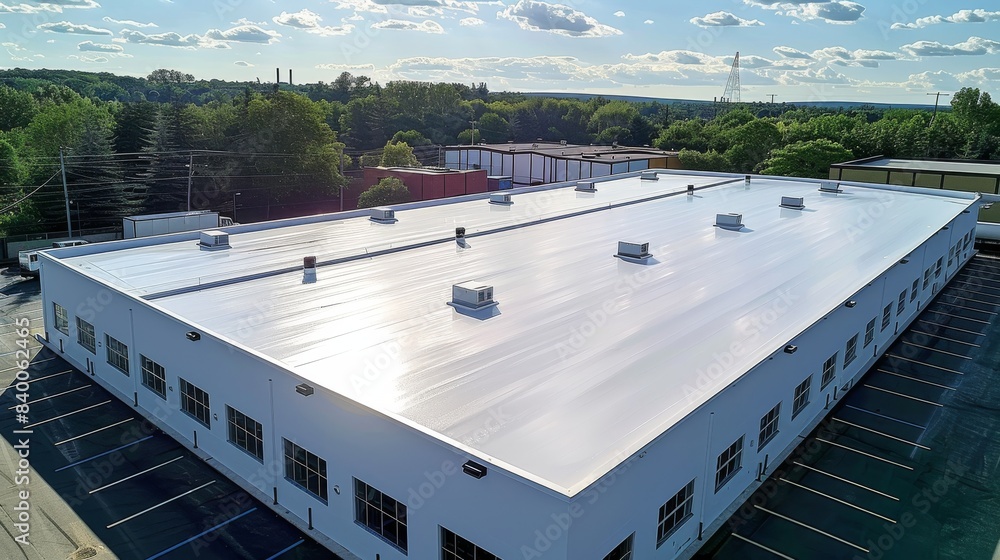
Flat roofing is a smart choice for multi-family properties. It offers cost savings and efficient use of space.
This guide will explore everything you need to know about flat roofing systems. We’ll cover the benefits, types, and maintenance tips.
You’ll also learn how to choose the right flat roof company. This is crucial for quality installation and upkeep.
Flat roofs can enhance your property’s value and functionality. They provide extra space for amenities like gardens or solar panels.
By understanding flat roofing, you can make informed decisions for your multi-family property. Let’s dive into the complete guide to flat roofing solutions.
Why Flat Roofing is Ideal for Multi-Family Properties
Flat roofing is particularly suitable for multi-family properties for several reasons. One of the main advantages is its cost-effectiveness. Flat roofs tend to be less expensive to install compared to pitched roofs. This makes them attractive for larger buildings.
Another benefit is the efficient use of space. Flat roofs can be utilized for various purposes, offering additional area that pitched roofs lack. This can include installing HVAC systems or creating recreational spaces.
Additional perks of flat roofs include:
- Easier accessibility for maintenance
- Opportunities to install green spaces or solar panels
- Modern aesthetic appeal
Flat roofing provides enhanced flexibility and potential for innovative design. These attributes make flat roofs an ideal choice for multi-family property owners seeking both function and style.
🏠Types of Flat Roof Systems for Multi-Family Buildings
When choosing a flat roof system for a multi-family building, there are several options to consider. Each system offers its unique set of advantages and fits different needs.
Built-up roofing (BUR) is one of the traditional systems. It consists of multiple layers of bitumen and reinforcing fabrics. This system is known for its durability and gravel surface finish.
Another popular choice is modified bitumen. It’s similar to BUR but offers greater flexibility and is easier to maintain. This is achieved by adding polymers to the bitumen.
Single-ply membranes like TPO, PVC, and EPDM are gaining popularity. They are lightweight and provide excellent energy efficiency. Many property owners prefer these for their ease of installation.
Consider the following when selecting a flat roof system:
- Durability and lifespan
- Installation cost and complexity
- Energy efficiency and insulation properties
It’s essential to evaluate each system’s merits and how they align with your property’s requirements.

🔑Key Benefits of Flat Roofing for Multi-Family Properties
Flat roofing offers several advantages for multi-family properties. One significant benefit is cost-effectiveness. Flat roofs generally require fewer materials, making them less expensive to install initially.
Space efficiency is another advantage. Flat roofs provide additional usable space for amenities. They can accommodate rooftop gardens or recreational areas for residents.
Moreover, energy efficiency is a crucial benefit, helping reduce heating and cooling costs. Their design facilitates easy installation of solar panels, which can further enhance energy savings.
Benefits include:
- Cost-effective installation
- Space for additional amenities
- Enhanced energy efficiency
Flat roofing systems can be customized to meet various needs, providing long-term value and utility for multi-family property owners.
Flat Roof Maintenance: Best Practices and Tips
Regular maintenance is crucial for the longevity of flat roofs. This ensures that problems are caught before they escalate into costly repairs. Consistent upkeep also helps maintain the roof’s aesthetic appeal and functionality.
Clearing debris is an essential maintenance step. Leaves and branches can block drainage, leading to water pooling. Inspecting the roof for damage is also vital. Cracks and blisters should be addressed immediately to prevent leaks.
Ensure proper drainage to avoid standing water, which can cause leaks and structural damage. Regular checks and maintenance can avert many common issues associated with flat roofs.
Best practices include:
- Regular debris removal
- Frequent damage inspections
- Ensuring effective drainage
Following these practices can significantly extend the lifespan of flat roofing systems, ultimately saving on repair costs.
Common Issues and Solutions for Flat Roofs
Flat roofs are prone to specific issues, but solutions exist for most problems. Knowing these common issues can help in proactive management and maintenance.
Water pooling is a frequent concern due to the flat surface. Effective drainage solutions, such as adding slope or improving drainage systems, can resolve this.
Leaks often occur from punctures or worn-out materials. Regular inspections help identify potential leak sources before they escalate. Addressing these quickly can prevent water damage.
Recognize the signs of structural stress, which may include sagging or cracking. Reinforcement and material upgrades can often rectify these issues.
To manage these, consider:
- Installing improved drainage
- Performing routine inspections
- Reinforcing weak spots
Understanding common flat roof problems and their solutions helps maintain a durable and functional roofing system.
How to Choose the Right Flat Roof Company
Selecting the right flat roof company is crucial for a successful project. Start by researching companies with a solid reputation and years of experience, like ONE NATION EXTERIORS.
- Experience and track record
- Proper licensing and insurance
- Client reviews and testimonials
💵 Flat Roofing Costs and Long-Term Value
Investing in flat roofing can be cost-effective for multi-family properties. Although initial costs might seem high, long-term savings can balance this out. Flat roofs typically require simpler maintenance, which reduces costs over time.
Moreover, flat roofs can increase property value by providing extra usable space. This addition can be utilized for amenities, enhancing appeal to potential tenants. Energy savings from efficient insulation and reflective coatings further increase their value.
When assessing costs and benefits, consider:
- Initial installation expenses
- Maintenance and repair costs
- Added property value through additional space
- Energy efficiency savings
Careful evaluation of these factors helps ensure a wise investment in flat roofing systems.
💡Frequently Asked Questions About Flat Roofing Multi-Family Properties
Flat roofing for multi-family properties often raises several questions. These frequently address installation, maintenance, and benefits. Understanding common inquiries can ease decision-making.
Here are some common questions:
- What is the typical lifespan of a flat roof?
- How often should flat roofs be inspected?
- Can flat roofs handle heavy snow or rain?
- Is flat roofing environmentally sustainable?
- How do I find reliable flat roofing companies?
These questions aim to clarify concerns property owners might have about choosing and maintaining flat roofing systems. Proper knowledge can lead to better decision-making and optimal roof performance.
🙌 Conclusion: Making the Most of Your Multi-Family Flat Roof
Maximizing the potential of your flat roofing system involves thoughtful planning and care. By selecting the right materials, conducting regular maintenance, and collaborating with reputable roofing companies, property owners can enjoy long-lasting benefits. A well-maintained flat roof enhances property value and provides additional usable space, contributing to overall satisfaction.
Contact us today for a consultation and let us manage your roofing needs efficiently and professionally!

