

When it comes to roofing, asphalt shingles remain a popular choice for homeowners due…
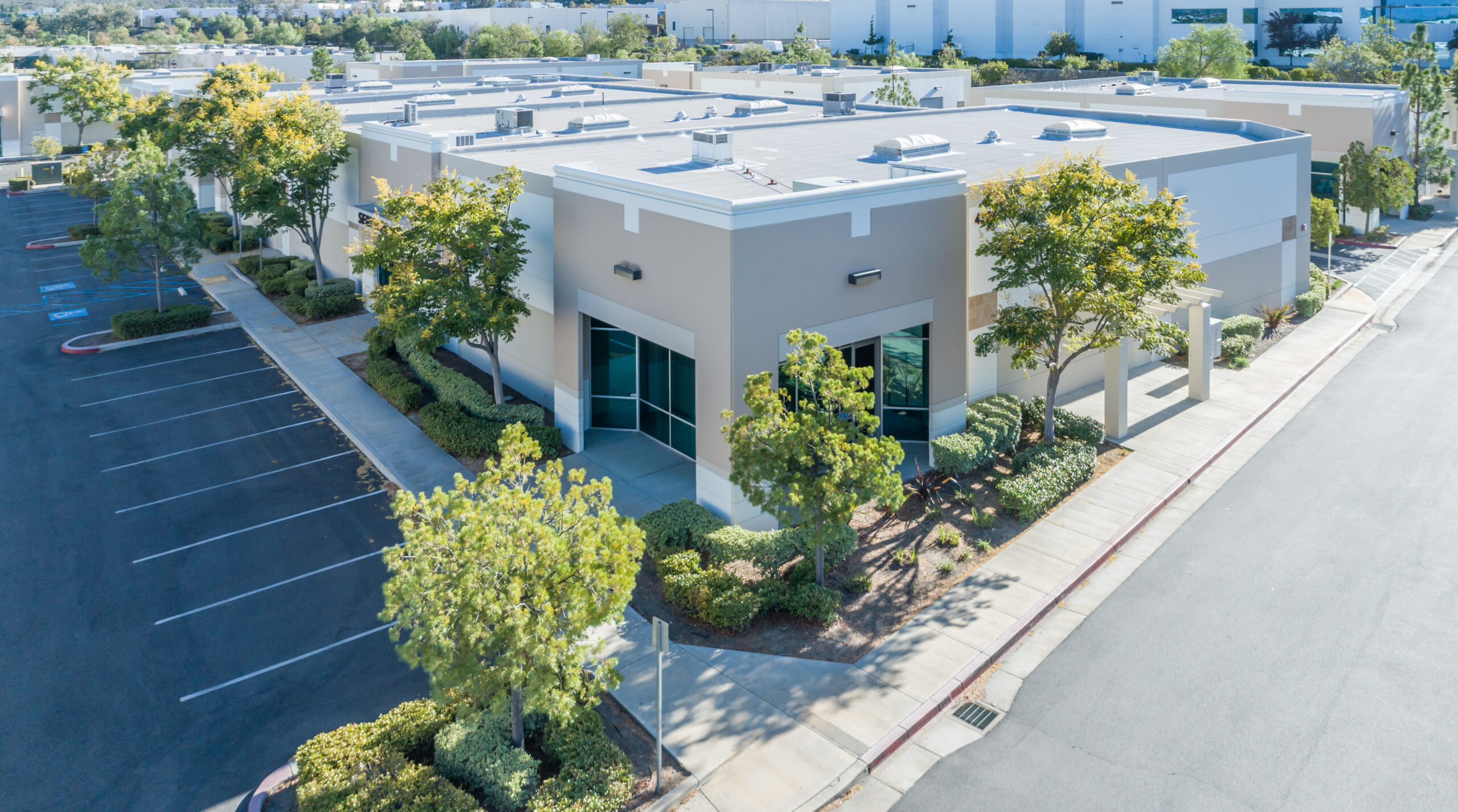
Flat Roof vs. Low Slope: Which Is Best for Your Commercial Project?
Choosing the right roof for your commercial project is crucial. It impacts cost, maintenance, and longevity.
Flat roofs and low-slope roofs are popular choices. Each has unique benefits and challenges.
Flat roofs are often seen in urban settings. They offer space efficiency and easy access for maintenance.
Low-slope roofs, on the other hand, provide better drainage and aesthetic appeal. They can enhance a building’s curb appeal.
Understanding the differences between these roofing types is essential. It helps in making an informed decision.
This guide will explore the features, pros, and cons of flat and low-slope roofs. Let’s dive in.
🏠Understanding Commercial Roofing Types: Flat Roofs and Low Slope Roofs
Commercial roofing is diverse, offering various roofing types suitable for different needs. Two prevalent options are flat roofs and low-slope roofs.
Flat roofs are defined by their minimal slope, usually less than 10 degrees. They provide efficient use of space, especially valuable in urban environments.
Low-slope roofs, however, have a steeper pitch, typically ranging between 10 and 30 degrees. This design offers enhanced drainage capabilities, reducing the risk of water accumulation.
Both roofing types have advantages, and the choice largely depends on the specific needs of a commercial property. Consider factors like climate, building architecture, and intended use.
Here’s a quick comparison:
- Flat Roofs: Space efficient, lower initial costs, easier maintenance access.
- Low Slope Roofs: Better drainage, improved aesthetics, and possibly longer lifespan.
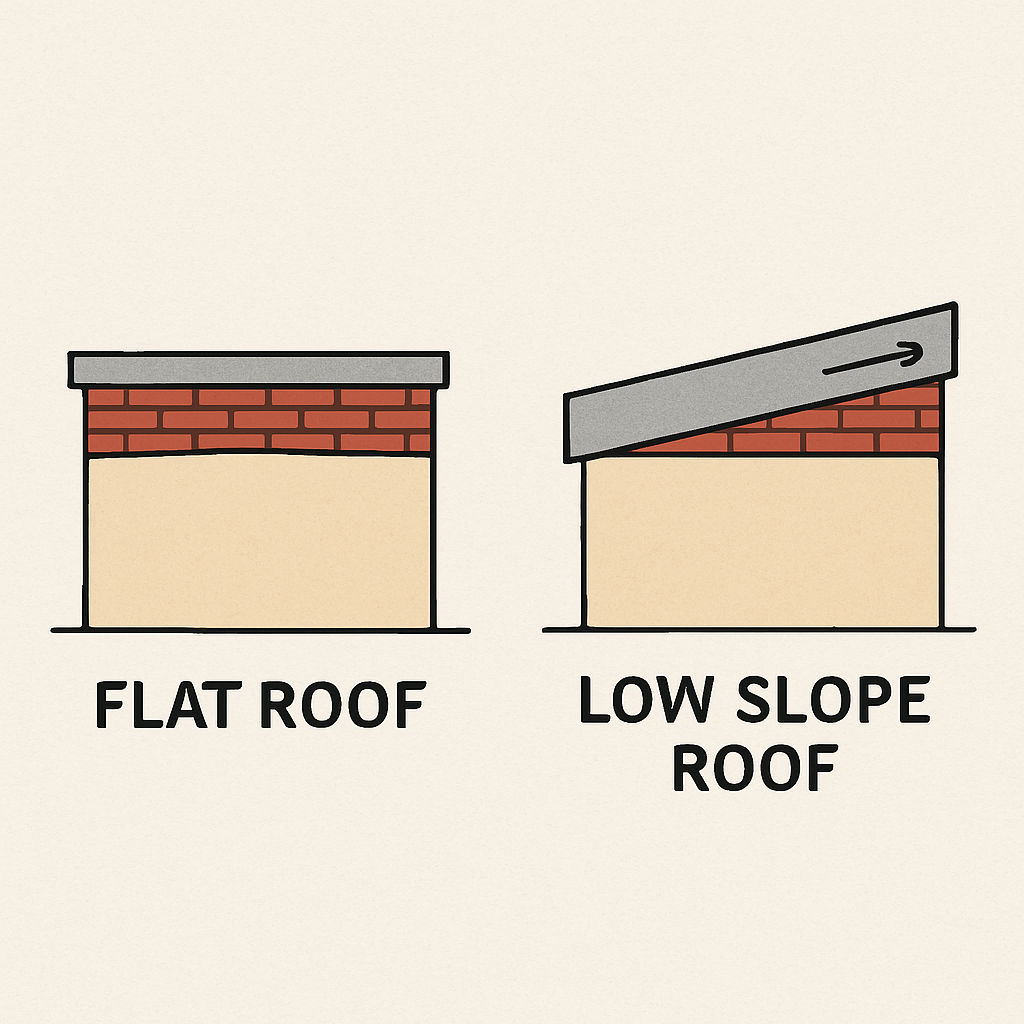
Understanding these differences will assist in selecting the optimal roof for your project.
📌Flat Roofs: Features, Pros, and Cons
Flat roofs have distinct features that make them appealing for certain commercial projects. One major benefit is their ability to optimize space. Buildings in crowded urban areas often utilize flat roofs to create extra usable areas.
However, flat roofs come with potential challenges. They can be susceptible to water pooling if not properly maintained. This can result in leaks, which may require regular maintenance to prevent.
There are also pros like simple installation. Flat roofs are generally easier and quicker to install compared to sloped roofs, saving time during construction.
Their design makes them easy to access, which is advantageous for maintenance and repairs. This can lead to reduced maintenance costs over time.
Some drawbacks include vulnerability to UV damage and thermal expansion issues. These can lead to additional maintenance needs.
Flat roofs allow for innovative design opportunities. You can transform them into green roofs or use them as rooftop gardens.
Common Flat Roofing Materials
Choosing the right roofing materials is crucial for the durability of flat roofs. Popular choices include EPDM, TPO, and PVC.
EPDM is well-liked for its cost-effectiveness and ease of installation. TPO offers energy efficiency with its reflective properties.
PVC is preferred for its strength and resistance to elements. Each material has unique benefits to suit different commercial projects.
Here’s a quick list of flat roofing materials:
- EPDM: Cost-effective, easy to install.
- TPO: Energy-efficient, reflective.
- PVC: Strong, weather-resistant.
💡Low Slope Roofs: Features, Pros, and Cons
Low-slope roofs are a popular choice for many commercial projects due to their practical benefits. They typically have a slope between 10 and 30 degrees, which aids in drainage. This feature helps prevent issues like water pooling, reducing the risk of leaks.
A key advantage of low-slope roofs is their aesthetic appeal. They often offer better curb appeal, which can enhance a building’s overall look. In some cases, they can even increase property value.
Moreover, low-slope roofs are often more resistant to wind uplift and environmental elements. This makes them more durable in areas prone to severe weather.
The installation of low-slope roofs may be more complex, requiring skilled professionals. However, the potential for better thermal performance and durability often justifies the effort.
While they tend to cost more upfront than flat roofs, low-slope roofs usually require less maintenance. This can lead to lower long-term expenses.
Low-slope roofs accommodate HVAC systems and solar panels just like flat roofs. Additionally, they can be customized with various roofing materials to suit specific project needs.
Common Low Slope Roofing Materials
Selecting the right materials for a low-slope roof is crucial. Popular options include asphalt shingles, metal, and modified bitumen.
Asphalt shingles are known for their affordability and versatility. They come in a range of colors and styles, offering design flexibility.
Metal roofs are durable and can provide excellent fire resistance. Their long lifespan makes them a solid investment for commercial buildings.
Modified bitumen is often chosen for its strength and ease of installation. It’s a reliable choice for buildings in challenging climates.
Here’s a brief list of low-slope roofing materials:
- Asphalt Shingles: Affordable, versatile.
- Metal Roofing: Durable, fire-resistant.
- Modified Bitumen: Strong, easy to install.
🤔Key Factors to Consider When Choosing Between Flat and Low Slope Roofs
Choosing between a flat roof and a low-slope roof requires careful consideration. Each roofing type has distinct advantages and potential downsides.
First, consider the climate in your area. Flat roofs might not perform well in regions with heavy rainfall, due to potential water pooling.
Next, evaluate your budget. Flat roofs can be more cost-effective initially but may incur higher maintenance costs over time.
Building design is also crucial. Flat roofs can be more suitable for modern, minimalist styles, while low-slope roofs often complement traditional aesthetics.
Think about the intended use of the roof space. Flat roofs can offer outdoor areas, whereas low-slope roofs are less suitable for this purpose.
Another factor is energy efficiency. Low-slope roofs often provide better insulation options, reducing heating and cooling costs.
Here’s a quick checklist to guide your decision:
- Climate Considerations
- Budget Constraints
- Building Design
- Usage Intentions
- Energy Efficiency
Evaluating these factors will ensure you choose the right roofing type for your commercial project. This decision can impact both functionality and aesthetics significantly.
👀Cost Comparison: Flat Roof vs. Low Slope Roof
Understanding the cost differences between flat and low-slope roofs is crucial. Initial installation costs often vary due to design complexity and materials used.
Flat roofs generally have lower initial installation expenses. However, they may require more frequent maintenance, increasing long-term costs.
On the other hand, low-slope roofs can have higher upfront costs. This is often balanced by reduced maintenance needs and longer lifespan.
When comparing costs, consider:
- Initial Installation Expenses
- Long-term Maintenance
- Material Durability
- Potential Repair Costs
Analyzing these financial aspects helps in making an informed choice that aligns with your budget and project goals. Each roofing type has unique cost implications to weigh carefully.
🔧Maintenance, Longevity, and Performance
When considering roofing types, maintenance and longevity are key factors. Flat roofs typically require more frequent inspections due to potential water pooling.
Regular maintenance ensures performance and extends the lifespan of both roof types. Neglecting this can lead to costly repairs.
Low-slope roofs, by design, allow for better drainage, reducing maintenance needs. They are also less prone to water-related damage.
The longevity of a roof depends on materials, installation, and maintenance quality. Both roofing types can last for decades if properly cared for.
Consider the following performance-related factors:
- Ease of Repairs
- Weather Resilience
- Material Durability
- Regular Inspection Requirements
🧊Energy Efficiency and Sustainability
Energy efficiency is critical in today’s commercial projects. Both flat and low-slope roofs can be optimized for this purpose.
Flat roofs easily accommodate solar panels and green roofs. These additions boost energy savings and sustainability.
Low-slope roofs offer benefits such as improved insulation and reflectivity. They can significantly reduce heating and cooling costs.
Consider enhancing energy efficiency with these options:
- Reflective Roofing Materials
- Roof Insulation Enhancements
- Solar Panel Installations
- Green Roof Conversions
🌬️Multi-Family Roofing and Special Commercial Considerations
Multi-family roofing projects present unique challenges and opportunities. Both flat and low-slope roofs can be suitable choices.
Flat roofs often prove beneficial in urban settings. They offer additional space for HVAC units and communal areas.
Low-slope roofs enhance the aesthetic value of larger buildings. They integrate well with traditional architectural styles.
Important considerations for multi-family projects include:
- Access to Outdoor Spaces
- Noise Reduction Features
- Enhanced Structural Integrity
Choosing the right roofing type ensures longevity and satisfaction. Evaluate the specific needs of your project before deciding.
🛠️Why Work with GAF Master Elite Certified Commercial Roofers
Hiring a GAF Master Elite Certified roofer ensures quality. These contractors meet high standards for training and expertise.
Benefits of choosing certified roofers include:
- Expert Installation Techniques
- Access to Top-Quality Materials
- Superior Workmanship Warranties
Opting for certified professionals gives peace of mind. They deliver reliable and long-lasting roofing solutions for your commercial needs.
✨The Role of Roofing Contractors: Installation and Maintenance Best Practices
Roofing contractors play a crucial role in ensuring your roof’s durability. Their expertise in installation and maintenance is vital.
Key responsibilities of roofing contractors include:
- Ensuring Proper Installation Techniques
- Conducting Regular Roof Inspections
- Offering Maintenance and Repair Services
Selecting experienced contractors guarantees that your roof will be well-constructed and maintained. This contributes to its longevity and performance.
📞One Nation Exteriors: Your Partner for Commercial Roofing Projects
We, at One Nation Exteriors, are renowned for our expertise in commercial roofing. We offer tailored solutions for all roofing types.
💡Conclusion: Making the Right Choice for Your Commercial Project
Choosing between a flat roof and a low-slope roof depends on several factors. Consider your budget, project needs, and local climate.
Evaluate the pros and cons of each roofing type. Consult with experts to ensure your decision aligns with your building’s goals.
By selecting the most suitable roofing option, you enhance your property’s value. Invest in quality materials and skilled contractors for long-term benefits.


