When it comes to roofing, asphalt shingles remain a popular choice for homeowners due…
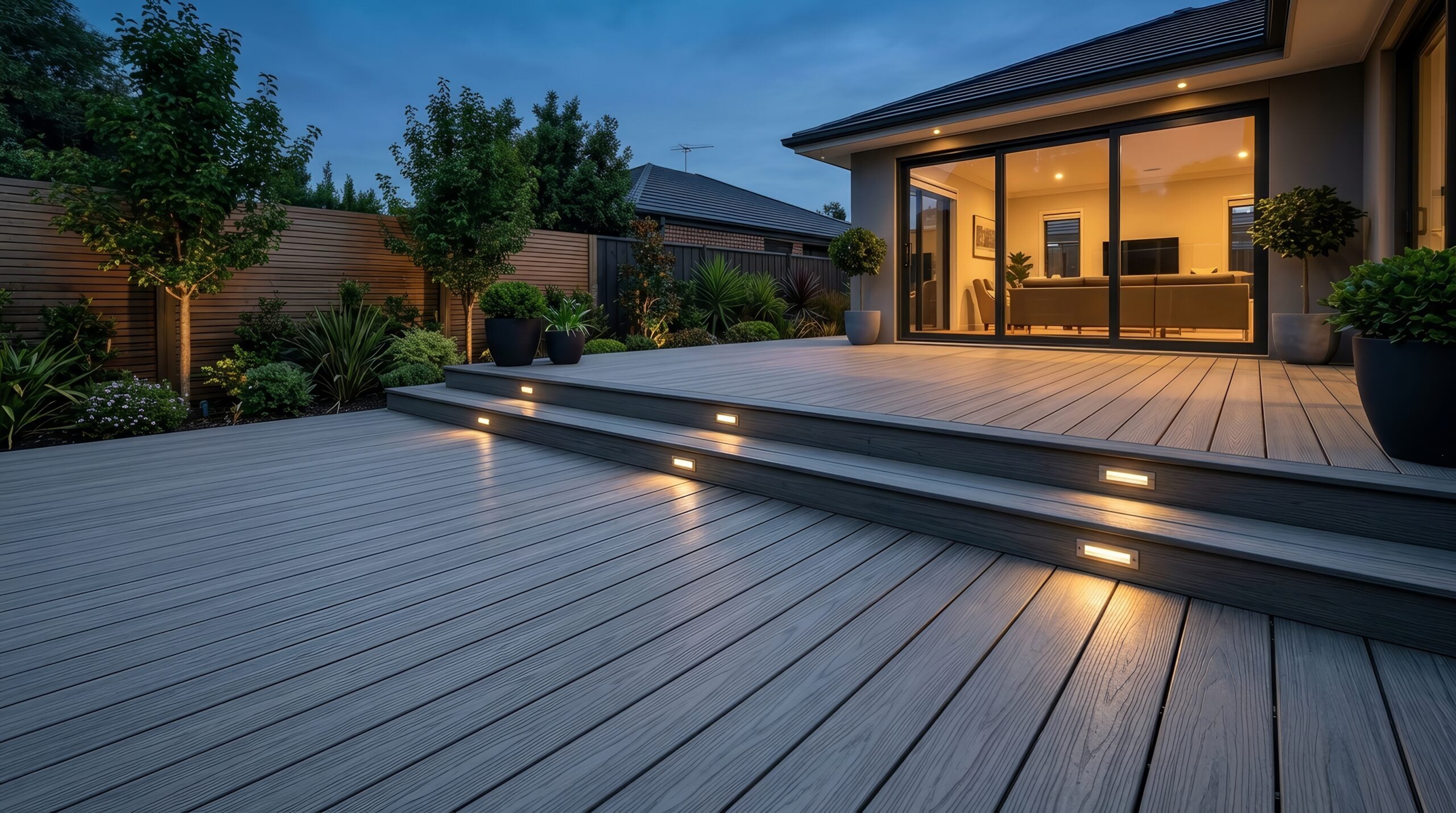
Composite vs Wood Decks Which is Better for Minnesota Homes
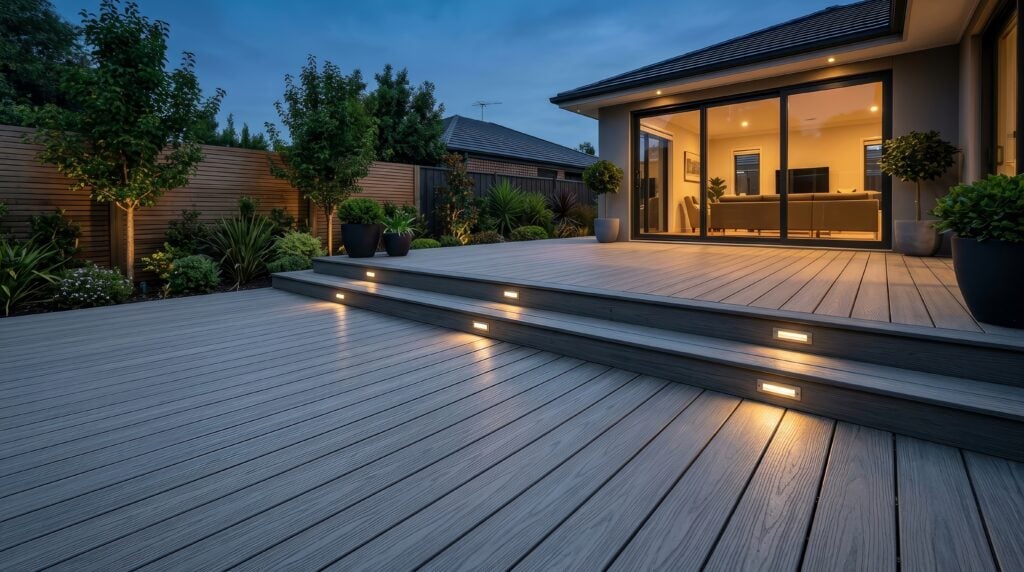
Choosing the right decking material is crucial for Minnesota homeowners. The state’s harsh winters and humid summers demand durable options. Composite and wood decks are popular choices, each with unique benefits.
Composite decking offers durability and low maintenance, ideal for Minnesota’s weather. It resists rot, insects, and fading, making it a long-lasting option.
Wood decks provide a natural look and can be more affordable initially. However, they require regular maintenance to withstand the elements.
Understanding the pros and cons of each material helps homeowners make informed decisions. This guide explores the best decking options for Minnesota homes.
🤔Understanding Decking Materials: Composite vs. Wood
Decks transform outdoor spaces, providing comfort and beauty. Two main materials dominate the market: composite and wood. Understanding their differences is vital for the Minnesota climate.
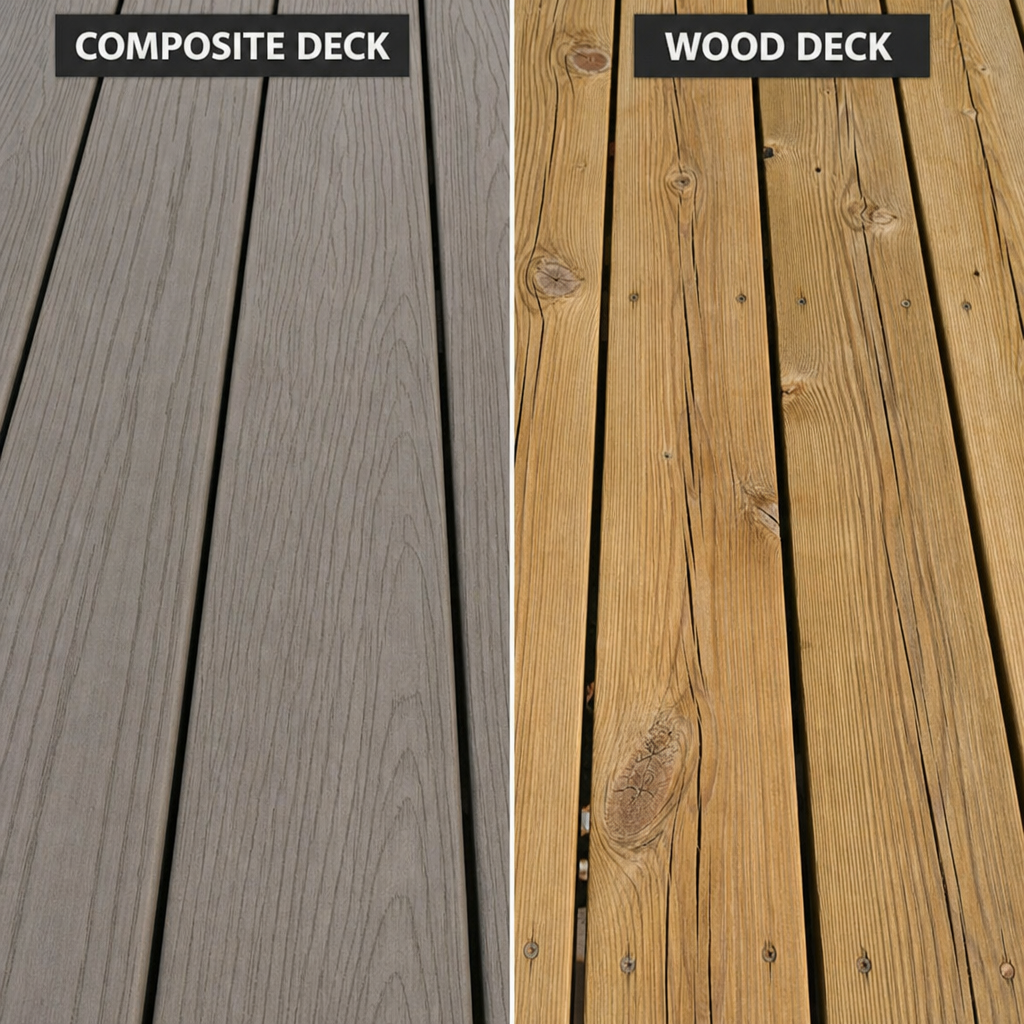
Composite decking is crafted from wood fibers and plastic. This blend ensures strength and low upkeep, crucial in extreme weather. Many homeowners appreciate its resistance to fading and insects.
Conversely, wood decking appeals with its natural charm. It requires more maintenance but offers timeless beauty. Common choices include cedar, redwood, and pressure-treated lumber, each with distinct traits.
Key Differences:
- Durability: Composite resists weather and pests.
- Maintenance: Wood needs regular care.
- Cost: Composite costs more upfront.
Selecting the right decking material ensures a long-lasting, functional outdoor space.
🥶Minnesota’s Climate and Its Impact on Decking Choices
Minnesota experiences diverse weather, with harsh winters and humid summers. Such conditions demand durable and resilient decking materials. Homeowners need to consider how weather impacts their deck choice.
Composite decking offers excellent resistance to extreme temperatures. It doesn’t warp or crack easily under fluctuating weather. This makes it suitable for Minnesota’s unpredictable climate.
Wood decks, however, may face challenges. Constant exposure to moisture leads to rot and decay. Warping and splintering are also concerns in severe cold. Regular maintenance is key to preserving wood decks.
Climate Considerations:
- Temperature Fluctuations: Composite withstands extremes.
- Moisture Exposure: Wood requires sealing and staining.
- UV Damage: Composite resists fading better than wood.
💪Pros and Cons of Composite Decking in Minnesota
Composite decking is popular for its low maintenance needs and durability. It withstands Minnesota’s harsh weather without deteriorating quickly.
One major advantage of composite decking is its resistance to rot and fading. This type of decking stands strong against wet conditions and harsh UV rays. Families appreciate its safety, as it doesn’t splinter.
However, composite decking can be costly upfront. The initial investment is higher compared to wood options. Despite this, its longevity may offset the initial costs over time.
Composite Decking Pros:
- Durability: Withstands harsh climates.
- Low Maintenance: Requires simple cleaning.
- Variety: Available in many styles and colors.
Despite its benefits, composite isn’t perfect. Some homeowners dislike its synthetic feel and appearance compared to natural wood.
💪Pros and Cons of Wood Decks in Minnesota
Wood decks offer a classic charm and natural beauty. Many Minnesota homeowners love the warmth wood brings to their outdoor spaces.
One advantage of wood is its affordability. Cedar and pressure-treated lumber are popular choices that fit many budgets. These materials can be customized with stains and finishes to match your home’s style.
However, wood decks come with challenges in Minnesota’s climate. They demand regular maintenance, like sealing and staining. Without proper care, they are prone to warping and cracking from the weather.
Wood Decking Pros:
- Natural Aesthetic: Warm and welcoming appearance.
- Customizable: Stainable to achieve desired looks.
- Initial Cost: Generally lower than composite options.
The downside of wood is its vulnerability to insects and rot. This can lead to recurring maintenance and, potentially, costly repairs over time. For those seeking a natural look, however, these may be worthwhile trade-offs.
💵Cost Comparison: Upfront and Long-Term Investment
The initial cost of building a deck varies based on material choice. Wood decks often have lower upfront costs. Materials like pressure-treated lumber and cedar are more budget-friendly initially compared to composite decking.
However, long-term expenses can tilt the scales. Wood requires ongoing maintenance, like sealing and staining. These costs, along with potential repairs, add up over time.
Composite decking offers a different financial landscape. While it requires a higher investment upfront, its minimal maintenance often leads to savings later. Many homeowners find that composite’s durability makes it a cost-effective choice in the long run.
Cost Considerations:
- Wood Decks: Lower initial cost but higher maintenance.
- Composite Decks: Higher initial cost but lower maintenance expenses.
- Long-Term Savings: Composite may save money over the deck’s lifespan.
⏰Maintenance Requirements: What Homeowners Should Know
Maintenance plays a critical role in deck longevity and appearance. Wood decks need regular care, including sanding, staining, and sealing. These tasks are essential to combat Minnesota’s extreme weather.
Composite decks simplify upkeep significantly. They usually only require periodic cleaning with soap and water. This ease of care is a major draw for busy homeowners.
Understanding maintenance demands helps with decision-making. Both deck types benefit from routine inspections for any wear or damage. However, the effort required for maintaining composite versus wood differs drastically.
Maintenance Overview:
- Wood Decks: Frequent sealing, staining, and inspections.
- Composite Decks: Regular cleaning with minimal hassle.
- Both: Periodic checks for damage ensure longevity.
🫶Aesthetic Appeal and Customization Options
A deck’s look adds charm and character to a home. Wood decks offer timeless beauty with rich, natural tones. They can be customized with various stains and finishes, allowing homeowners to match their style.
Composite decking, on the other hand, provides a wide range of colors and textures. It mimics the appearance of wood without the maintenance. For those seeking modern designs, composite is often the preferred choice.
Customization Highlights:
- Wood: Versatile stains and finishes.
- Composite: Diverse color and texture options.
🏝Environmental Considerations: Sustainability and Eco-Friendliness
Sustainability is crucial when choosing decking materials. Wood decks are made from renewable resources. They’re an eco-friendly choice for those who favor natural materials. However, harvesting practices impact their environmental footprint.
Composite decking often uses recycled materials like plastics and wood fibers. This approach reduces landfill waste. It’s a green alternative for environmentally conscious homeowners.
Eco-Friendly Highlights:
- Wood: Renewable, but dependent on sustainable practices.
- Composite: Utilizes recycled materials, reducing waste.
▶️Choosing the Right Deck for Your Minnesota Home
Selecting the ideal deck for your home involves considering your lifestyle and climate needs. Think about maintenance level, upfront costs, and the longevity of your chosen material.
Consider how often you’ll use your deck and for what purposes. Weigh factors like aesthetic preference and potential resale value. Tailoring these choices will ensure satisfaction with your deck investment.
✅Why Work with One Nation Exteriors?
Hiring professional deck builders in Minnesota offers numerous advantages. Experts understand local building codes, ensuring your deck is safe and compliant.
Local builders can provide insights into materials that withstand Minnesota’s weather. They also deliver quality craftsmanship, enhancing the deck’s longevity.
Benefits of hiring professionals include:
- Expertise in material selection
- Knowledge of local climate impact
- Compliance with building regulations
By choosing professionals like One Nation Exteriors, you benefit from their experience and dedication to excellence. A well-constructed deck not only adds value to your home but also ensures long-lasting enjoyment.
Conclusion: Making the Best Choice for Your Outdoor Space
Choosing between composite and wood decks depends on personal taste, budget, and maintenance preferences. Evaluating each option’s benefits helps ensure a satisfying, long-lasting outdoor space.