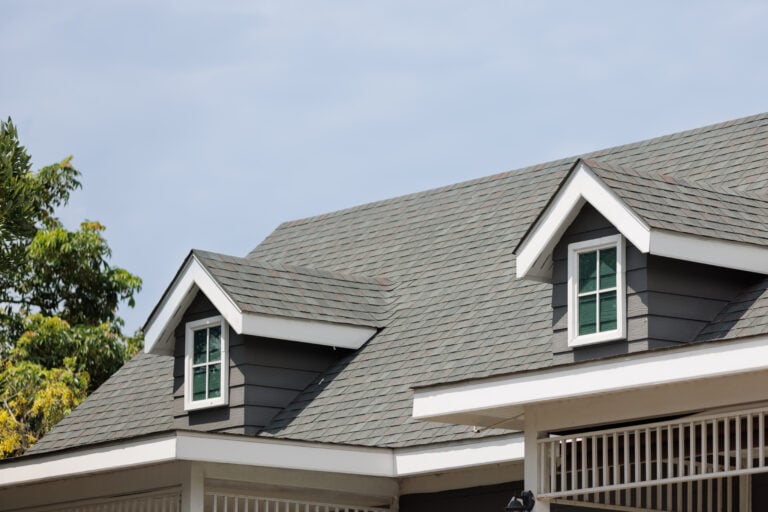
When it comes to roofing, asphalt shingles remain a popular choice for homeowners due…
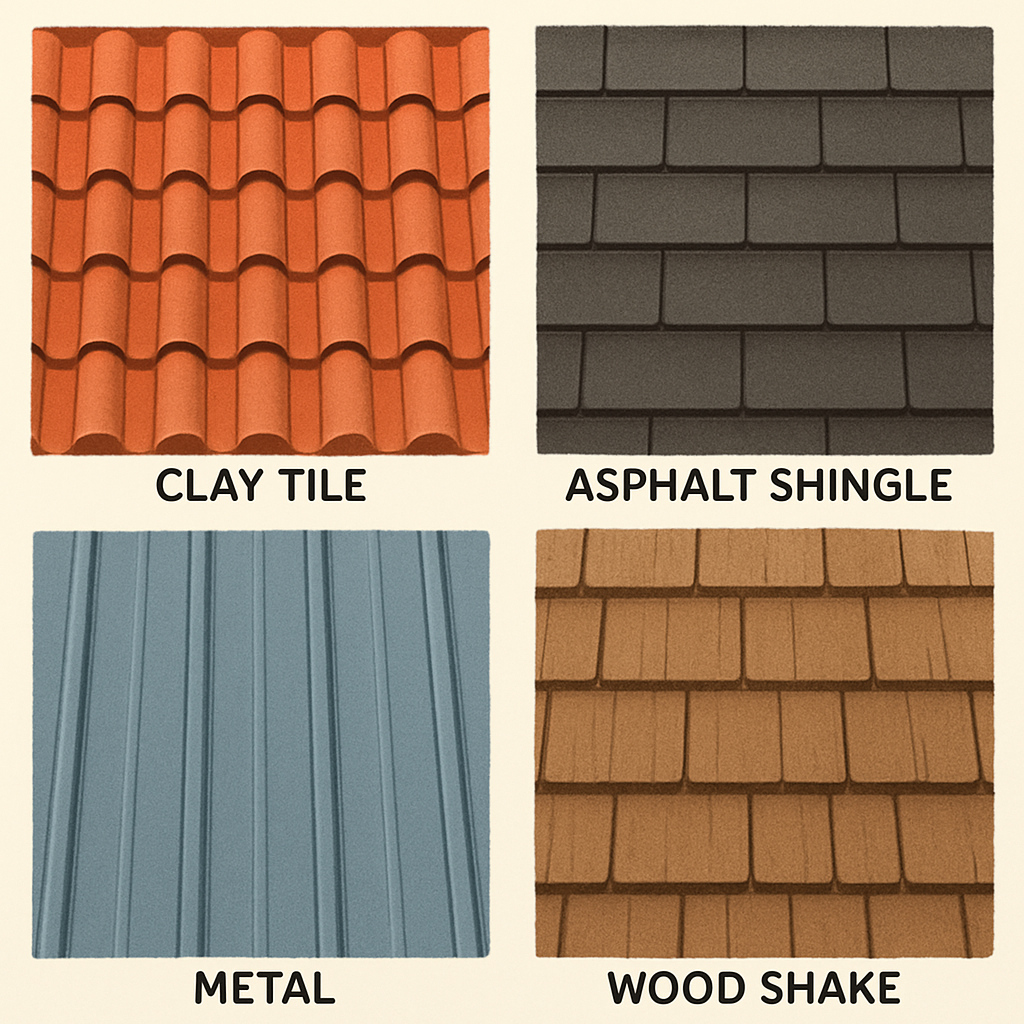
8 Roofing Materials: Lifespan & Maintenance Guide
Choosing the right roofing material is crucial for any homeowner. It impacts not only the look of your home but also its durability and maintenance needs.
Different roofing materials offer varying lifespans and maintenance requirements. Understanding these differences can help you make an informed decision.
Asphalt shingles are popular for their affordability and ease of installation. However, they may not last as long as other options.
Metal roofing is known for its durability and long lifespan. It requires minimal maintenance, making it a great choice for many.
Clay and concrete tiles offer impressive longevity but may need additional structural support. They are also heavier than other materials.
Slate roofing is one of the most durable options available. It can last for generations with proper care.
Wood shingles and shakes provide a natural look but require regular maintenance. They are prone to rot and insect damage.
Synthetic materials mimic natural options and offer a balance of cost and durability. They are often lightweight and affordable.
🙌Why Roofing Material Choice Matters
The choice of roofing material greatly affects a home’s appearance and value. It is an important decision that impacts energy efficiency and maintenance costs.
Each material comes with distinct advantages and challenges. Balancing aesthetics and practicality ensures you choose a suitable option. Here are some reasons why roofing material is vital:
- Affects energy consumption
- Influences home longevity
- Impacts curb appeal and property value
Climate also plays a role in material choice. Some roofing materials excel in certain environments while others might struggle. For example, metal roofing offers excellent durability in extreme weather, while asphalt shingles are more budget-friendly in milder climates.
Professional guidance from roofing companies like One Nation Exteriors can help navigate these options. They provide tailored advice based on specific needs and local conditions.
🤔 8 Roofing Materials Ranked by Lifespan and Maintenance Requirements
Selecting the right roofing material involves considering durability, lifespan, and maintenance needs. Here’s a detailed comparison of eight popular types, helping you make an informed choice.
1. Asphalt Shingles
Asphalt shingles are the most prevalent roofing material due to their affordability and ease of installation. These shingles typically last between 15 to 30 years. The lifespan can extend depending on the quality of installation and local climate conditions. Regular maintenance includes inspecting for damaged or missing shingles and replacing them as necessary.
Asphalt shingles are available in various styles and colors, making them a versatile choice. They provide good protection against the elements, but extreme temperatures can shorten their lifespan.
Some advantages of asphalt shingles are:
- Cost-effective
- Variety of color options
- Easy installation and repair
Routine checks help maintain the shingles, ensuring a prolonged lifespan. Proper ventilation in the attic also aids in preserving asphalt shingles.
2. Metal Roofing
Metal roofing is renowned for its remarkable durability and longevity. With a lifespan ranging from 40 to 70 years, it demands minimal upkeep. Occasional repainting or sealing can keep metal roofs looking new and functioning well.
Metal roofs are lightweight and resistant to fire, wind, and hail. They are excellent for energy efficiency due to their reflective properties, which help reduce cooling costs.
Key benefits include:
- Longevity and durability
- Minimal maintenance
- High resistance to weather elements
Regular cleaning of debris and addressing any signs of rust or loose panels will contribute to their continued efficacy. Opt for professional installation to maximize benefits and longevity.
3. Clay Tiles
Clay tiles are a high-end option known for their exquisite appearance and durability. Their lifespan can extend from 50 to 100 years with proper care. Clay tiles are incredibly resilient to fire and can withstand harsh climate conditions.
However, their installation demands robust structural support due to their weight. Routine maintenance includes checking for broken or chipped tiles and ensuring they remain securely fastened.
Advantages of clay tiles are:
- Exceptional durability
- Aesthetically pleasing
- Excellent weather resistance
Ensure professional installation to handle the additional weight and enjoy the tiles’ long-term benefits.
4. Concrete Tiles
Concrete tiles are similar to clay but offer a more budget-friendly option. Their lifespan ranges from 30 to 50 years. They are versatile and can mimic other materials like wood or slate.
Regular inspections are required to spot any signs of damage or moss growth. Concrete tiles are also heavy, necessitating consideration for structural support.
Benefits include:
- Cost-effective alternative to clay
- Versatile design options
- Durable with proper maintenance
Inspecting tiles regularly ensures they remain in optimal condition, prolonging their effective lifespan.
5. Slate Roofing
Slate roofing stands as one of the most durable choices available. It boasts an impressive lifespan of 75 to 200 years. Though costly, slate offers timeless elegance and exceptional durability.
Slate is dense and requires professional installation to prevent damage during handling. Maintenance includes replacing broken tiles and ensuring proper sealing.
Key features:
- Unmatched longevity
- Natural appearance
- Superior durability
Professional inspections are recommended to ensure slate roofs remain in pristine condition over their extensive lifespan.
6. Wood Shingles and Shakes
Wood shingles and shakes provide a natural and rustic appearance. Their lifespan can vary from 20 to 40 years with diligent maintenance. These roofs require treatment against rot and insect damage.
Regular maintenance includes inspections for rot, moss, and insects. Additionally, periodic treatments can extend their lifespan.
Benefits include:
- Natural aesthetic appeal
- Environmentally friendly
- Moderate lifespan with upkeep
Routine care and protective treatments ensure wood shingle roofs remain in good condition for many years.
by Dan Begel (https://unsplash.com/@danbegel)
7. Synthetic Roofing Materials
Synthetic roofing materials offer the appearance of natural products without the associated weight or cost. They have a lifespan of 20 to 50 years and are often crafted from materials like rubber or polymer.
With a lighter weight, they require less structural support. Maintenance is minimal, but regular cleaning and checking for any damage is advised.
Advantages include:
- Cost-effective alternative
- Lightweight and versatile
- Low maintenance
Synthetic options are perfect for those seeking affordable yet stylish roofing solutions.
by Gavin Li (https://unsplash.com/@gavin_leee)
8. Green Roofs (Living Roofs)
Green roofs, or living roofs, incorporate vegetation, offering eco-friendly and visually pleasing roofing options. They last between 30 to 50 years with proper care.
These roofs aid in insulation and stormwater management. Maintenance includes regular irrigation, weeding, and ensuring a healthy plant layer.
Benefits of green roofs include:
- Environmental benefits
- Enhanced insulation
- Supports biodiversity
Green roofs require a detailed and planned installation but reward with energy savings and environmental protection.
🔍Comparing Roofing Materials: Durability, Lifespan, and Maintenance at a Glance
Choosing the right roofing material involves balancing cost, durability, and maintenance needs. Here’s a quick comparison of each type’s attributes to help you decide.
Consider the following factors for each material:
- Asphalt shingles: Affordable, moderate lifespan, easy maintenance.
- Metal roofing: Durable, lengthy lifespan, low maintenance.
- Clay tiles: High durability, long lifespan, requires structural support.
- Concrete tiles: Economical, moderate lifespan, versatile.
- Slate roofing: Premium durability, extended lifespan, costly.
- Wood shingles: Natural look, moderate lifespan, regular upkeep.
- Synthetic materials: Lightweight, variable lifespan, minimal maintenance.
- Green roofs: Eco-friendly, moderate lifespan, requires special care.
Each choice offers its unique benefits, impacting your property’s value and energy efficiency.
🏠How to Choose the Right Roofing Material for Your Home
Selecting the ideal roofing material for your home involves multiple considerations. From aesthetics to durability, each factor plays a critical role.
Evaluate these key aspects:
- Local climate: Match materials to weather patterns.
- Budget: Balance cost with long-term value.
- Style: Ensure visual harmony with existing architecture.
- Weight: Confirm structural support for heavy materials.
These elements, combined with personal priorities, guide you in making a smart roofing choice. Professional advice can further help in navigating these decisions.
🛠️Maintenance Tips to Maximize Roof Lifespan
Proper maintenance extends the life of your roof considerably. Regular care prevents small issues from becoming costly repairs.
Here are essential maintenance tips:
- Inspect regularly: Identify and fix damage early.
- Clean gutters: Prevent water backup and roof damage.
- Trim trees nearby: Avoid branches falling or brushing against the roof.
- Check attic ventilation: Ensure proper airflow to prevent moisture buildup.
Consistent maintenance ensures longevity and peak performance. Following these tips can significantly delay the need for costly replacements.
✅Frequently Asked Questions About Roofing Materials
Choosing the right roofing material can be challenging. Here, we address common questions to help you make an informed decision.
Common Questions:
- What is the most durable roofing material?
- How often should a roof be inspected?
- What factors affect roofing cost the most?
- Which material requires the least maintenance?
- How do weather conditions affect material choice?
These questions provide clarity on important aspects homeowners often wonder about, making the selection process easier. Addressing these key points helps in planning for long-term roofing needs effectively.
👉Why Work With Professional Roofing Companies Like One Nation Exteriors?
Enlisting the help of experienced roofing companies can greatly benefit homeowners. Professionals ensure proper installation, which is crucial for maximizing the roof’s lifespan.
Benefits of Hiring Professionals:
- Expertise in material selection
- Safe and efficient installations
- Access to quality materials
Consulting experts like One Nation Exteriors can also provide valuable insights and a clear understanding of maintenance requirements. This ensures long-term satisfaction and protects your investment in roofing.