

When it comes to roofing, asphalt shingles remain a popular choice for homeowners due…
Blown-In vs Spray Foam Insulation Cost and Performance Breakdown
Choosing the right insulation for your home is crucial. It significantly impacts energy efficiency and comfort levels.
Blown-in and spray foam insulation are popular choices. Each has unique benefits and costs to consider.
Understanding these differences can help you make an informed decision. This guide will break down the costs and performance of both options.
Spray foam insulation typically costs more upfront. However, it offers superior energy efficiency and air sealing capabilities.
Blown-in insulation is generally more affordable. It’s easier to install, making it a popular choice for many homeowners.
Both types of insulation can improve indoor air quality. They help maintain consistent temperatures and reduce drafts.
In Minnesota, attic insulation is especially important. The cold climate demands effective solutions to keep heating costs down.
By the end of this article, you’ll know which insulation type suits your needs best.
Understanding Attic Insulation: Why It Matters
Attic insulation plays a vital role in home comfort. It prevents heat loss, thereby reducing energy bills.
Proper insulation ensures consistent indoor temperatures. This minimizes the need for constant heating or cooling adjustments.
The benefits of attic insulation extend beyond energy savings. It also:
- Enhances indoor air quality
- Reduces noise pollution
- Adds to home resale value
In colder regions like Minnesota, attic insulation is crucial. It helps maintain warmth and prevents ice dams.
By focusing on quality attic insulation, you can improve your home’s energy efficiency. This leads to significant long-term savings.
Attic insulation also contributes to environmental sustainability. It reduces your home’s overall energy consumption.
Choosing the right insulation material is essential. Each type has different properties and effectiveness. Understanding these options can ensure your home stays comfortable year-round.
Blown-In Insulation: Overview, Materials, and Applications
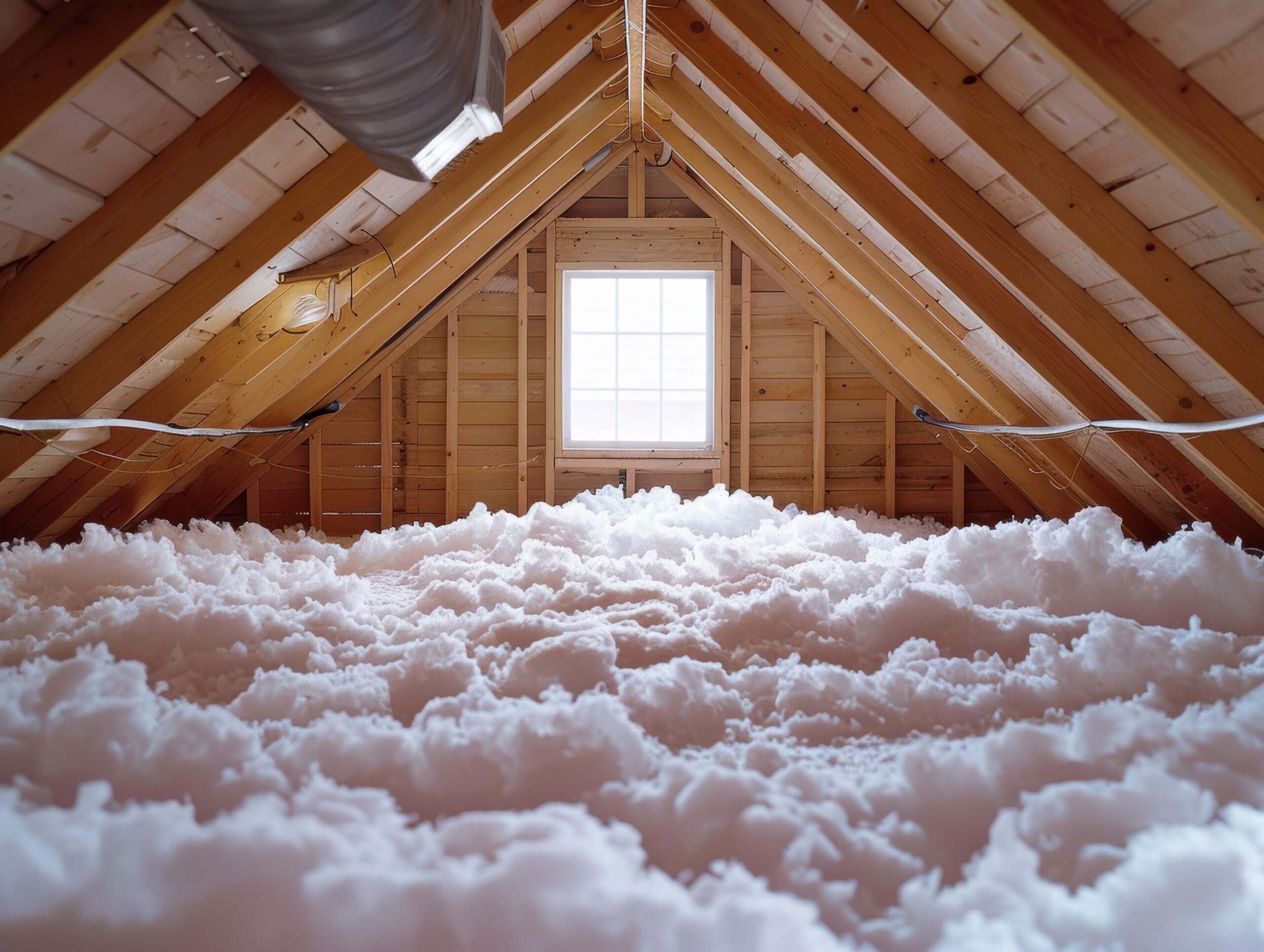
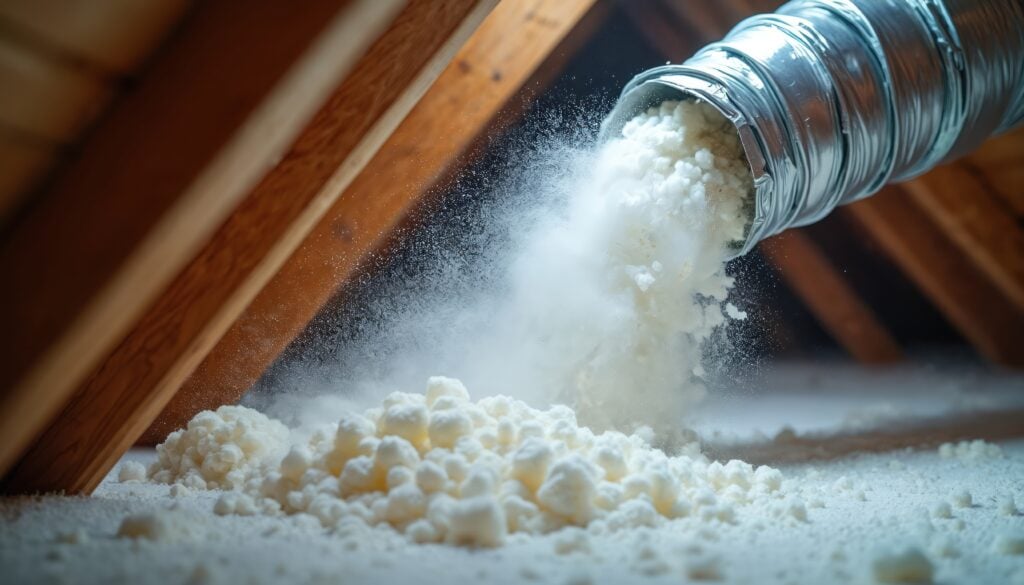
Blown-in insulation is a popular choice for attics. It involves “blowing” loose-fill insulation into spaces.
This method is efficient for filling irregular areas. It’s especially useful in hard-to-reach spots in attics.
The materials used in blown-in insulation are varied. Common options include cellulose, fiberglass, and mineral wool.
Each material offers unique benefits. For example:
- Cellulose: Often made from recycled paper, it’s eco-friendly.
- Fiberglass: Known for its fire resistance.
- Mineral Wool: Offers excellent soundproofing.
Blown-in insulation is ideal for retrofits. It easily fits around obstacles and existing structures.
Its installation is usually quicker than other types. This can lead to lower labor costs.
However, it can settle over time. This may reduce its insulating effectiveness.
Despite this, blown-in insulation remains a cost-effective choice. It’s suited for many attic configurations, offering versatility and efficiency in home insulation.
Spray Foam Insulation: Types, Process, and Applications
Spray foam insulation is known for its excellent air sealing abilities. It expands up to 60 times its liquid volume.
This expansion creates an airtight seal, reducing energy loss. It’s a superior choice for high-performance insulation needs.
Two main types of spray foam are available: open-cell and closed-cell.
- Open-Cell Foam: It’s less dense and offers soundproofing.
- Closed-Cell Foam: It’s denser, providing better moisture resistance and structural strength.
The installation process is complex, requiring specialized equipment. A professional sprays the liquid, which expands and hardens.
Spray foam insulation can be applied in various areas. This includes walls, roofs, and crawl spaces, making it versatile.
Its application can help prevent drafts and air infiltration. Additionally, it provides a vapor barrier, which is crucial in humid environments.
It’s crucial to have a skilled contractor for installation. Proper application ensures effectiveness and maximizes longevity.
While the upfront cost is higher, spray foam’s benefits often outweigh the initial expense. Its longevity and performance make it a wise investment for energy-conscious homeowners.
Cost Breakdown: Blown-In vs Spray Foam Insulation
Insulation cost is a significant factor for homeowners. Blown-in insulation is typically more affordable upfront.
It costs around $1 to $2 per square foot. This budget-friendly option appeals to many.
Spray foam insulation is more expensive initially. Costs vary from $1.50 to $4.90 per square foot.
Despite its higher cost, spray foam delivers superior energy efficiency. This can lead to long-term savings.
When comparing both types, installation plays a role in pricing. Labor costs vary based on installation complexity.
Here’s a cost comparison:
- Blown-In Insulation: $1 – $2 per square foot
- Spray Foam Insulation: $1.50 – $4.90 per square foot
Consider potential savings and efficiency. Spray foam’s higher R-value may offset the initial cost.
Energy rebates and incentives can also help. These options make spray foam an appealing investment.
Before choosing insulation, evaluate your budget. Weigh initial costs against potential energy savings.
Blown-In Insulation Cost Factors
Several factors influence blown-in insulation costs. Material choice is crucial to pricing.
Common materials include cellulose, fiberglass, and mineral wool. Each material varies in price and performance.
Labor is another cost factor. Installation is usually quick, reducing overall expenses.
Here’s a breakdown of key factors:
- Material Type: Cellulose, fiberglass, or mineral wool
- Installation Difficulty: Easier installations cost less
- Area Size: Large spaces require more materials
Blown-in insulation is ideal for retrofits and new builds. Its affordability makes it attractive.
Additionally, this type settles over time. Plan for potential future top-offs or replacements.
Installation simplicity also influences cost. DIY projects may reduce expenses for experienced individuals.
Spray Foam Insulation Cost Factors
Spray foam’s cost is higher than blown-in. Type of foam impacts pricing significantly.
Open-cell foam is usually cheaper than closed-cell. Closed-cell offers more benefits, including moisture resistance.
Several factors affect spray foam cost:
- Foam Type: Open-cell vs. closed-cell
- Installation Complexity: More complex jobs cost more
- Foam Thickness: Increased thickness enhances performance
Professional installation is essential. Complexity and safety demands require expert skills.
Additionally, spray foam offers longevity. It exceeds 20 years with proper maintenance.
While costlier, spray foam can reduce energy bills. Consider its long-term benefits when deciding.
Proper evaluation of your specific needs is crucial. Consult with an expert for tailored advice.
Performance Comparison: R-Value, Air Sealing, and Longevity
Performance is a pivotal factor in choosing insulation. R-value, air sealing, and longevity are key indicators.
Spray foam insulation has a higher R-value per inch. This translates to better thermal resistance.
Blown-in insulation also performs well. Its effectiveness depends on the material type and installation quality.
R-Value Comparison:
- Spray Foam: Higher R-value per inch
- Blown-In: Variable based on material
Proper air sealing is crucial. Spray foam excels at sealing small cracks and gaps.
This ability minimizes air leaks. Energy efficiency is significantly improved as a result.
Blown-in insulation fills irregular spaces effectively. However, it doesn’t seal as tightly as spray foam.
Air Sealing Effectiveness:
- Spray Foam: Provides an excellent air-tight seal
- Blown-In: Good at filling spaces, less effective at sealing
Longevity is another consideration. Spray foam typically lasts over 20 years with proper care.
Blown-in insulation, on the other hand, can settle over time. This may reduce its insulation ability.
Both options enhance energy efficiency. Reducing drafts and maintaining consistent temperatures are key benefits.
Durability should influence your insulation choice. Consider lifespan alongside R-value for best results.
Energy Efficiency and Savings: What to Expect
Improving energy efficiency can greatly reduce utility bills. Insulation plays a key role in this.
Spray foam insulation offers superior energy savings. Its air-tight seal minimizes energy loss.
Blown-in insulation also provides significant benefits. It effectively fills spaces and reduces heat transfer.
Both options contribute to a comfortable indoor environment. Less energy is needed for heating and cooling.
Expect monthly savings on energy costs. These savings can offset the initial insulation cost over time.
A well-insulated attic is particularly beneficial. It prevents heat from escaping, especially during cold months.
Factors Contributing to Energy Savings:
- Air Sealing: Prevents heat loss
- R-Value: Offers better thermal resistance
- Consistency: Maintains stable indoor temperatures
Homes in cold climates, like Minnesota, benefit most. Heating demands drop, and comfort levels increase.
Choosing the right insulation is an investment. It enhances home efficiency and provides long-term financial benefits.
Regional Considerations: Attic Insulation in Minnesota
Minnesota’s harsh winters demand effective attic insulation. This ensures homes stay warm and energy costs remain manageable.
Insulation choices here must consider extreme cold and high snow loads. Both blown-in and spray foam offer different advantages for this climate.
R-value is crucial in Minnesota. Higher R-values mean better insulation, an important factor given the state’s cold temperatures.
Moisture resistance is another key aspect. Minnesota can be humid, requiring insulation that resists dampness to prevent mold and decay.
Local regulations might influence your decision. Minnesota has specific building codes for insulation, so understanding these will guide your choice.
Key Regional Considerations:
- High R-value: Essential for energy efficiency
- Moisture Resistance: Crucial due to humidity
- Building Codes: Ensure compliance
Choosing the right insulation boosts comfort and reduces heating needs. Consult local insulation contractors to make informed decisions.
Working with Insulation Contractors
Engaging with insulation contractors like One Nation Exteriors can greatly simplify the process of upgrading your home’s insulation. These professionals bring valuable expertise, ensuring effective installation.
Seek out contractors with a robust track record and positive references. A good contractor assesses your home and recommends the optimal insulation type.
When selecting a contractor, consider the following:
- Licensing and Insurance: Verify they are licensed and insured for peace of mind.
- Experience: Look for experience in similar insulation projects.
- Warranty: Ensure they offer a warranty on both materials and workmanship.
Discuss your needs openly and request detailed estimates. Compare quotes and services to make an informed choice. This partnership can aid in maximizing your home’s energy efficiency and comfort. With the right contractor, the insulation process is smooth and aligned with your specific requirements.
Conclusion: Making the Best Choice for Your Home
Choosing the right insulation for your home is a big decision. Blown-in and spray foam insulation both have unique benefits. Your choice should depend on your budget, home structure, and climate needs.
If you’re focused on initial cost savings, blown-in insulation is a smart option. It’s affordable and effective in filling irregular spaces. Its eco-friendly materials may also appeal to environmentally conscious homeowners.
Spray foam insulation offers superior energy efficiency. It provides a strong seal against air leaks and moisture. Despite its higher initial cost, the long-term savings on energy bills can make it worthwhile. Consult with local insulation contractors to ensure the best fit for your situation. Whichever you choose, effective insulation will lead to increased comfort and energy savings. Remember, investing in insulation is investing in your home’s future.


