

When it comes to roofing, asphalt shingles remain a popular choice for homeowners due…
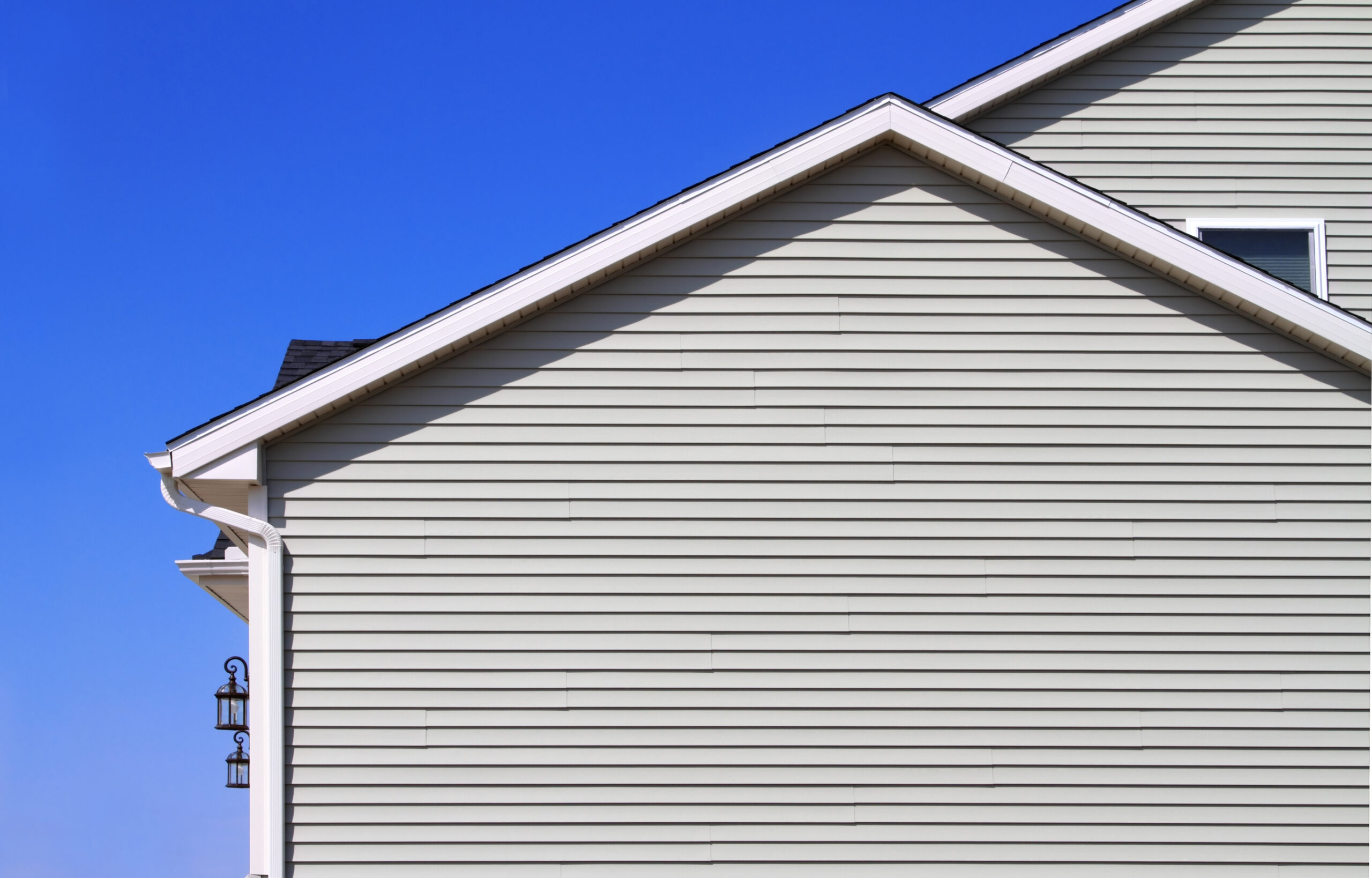
Maximize Siding Lifespan: Expert Replacement Guide
Siding replacement is a vital part of home upkeep. It not only enhances curb appeal but also protects your home.
Choosing the right siding material is crucial. Each material has a different lifespan and maintenance requirement.
Understanding these differences can help you make informed decisions. This guide will explore how long each siding material really lasts.
From vinyl to brick, each option offers unique benefits and challenges. We’ll delve into the lifespan of popular siding materials.
Whether you’re a homeowner or a property manager, this information is essential. Let’s dive into the world of siding replacement.
🏡Why Siding Replacement Matters
Replacing siding is more than a simple cosmetic upgrade. It plays a fundamental role in safeguarding your home. Old or damaged siding can let moisture in, leading to mold and structural damage.
New siding can increase your home’s energy efficiency. It provides better insulation, reducing heating and cooling costs.
Here are some reasons why siding replacement is important:
- Enhances home appearance
- Improves energy efficiency
- Protects against weather damage
- Increases property value
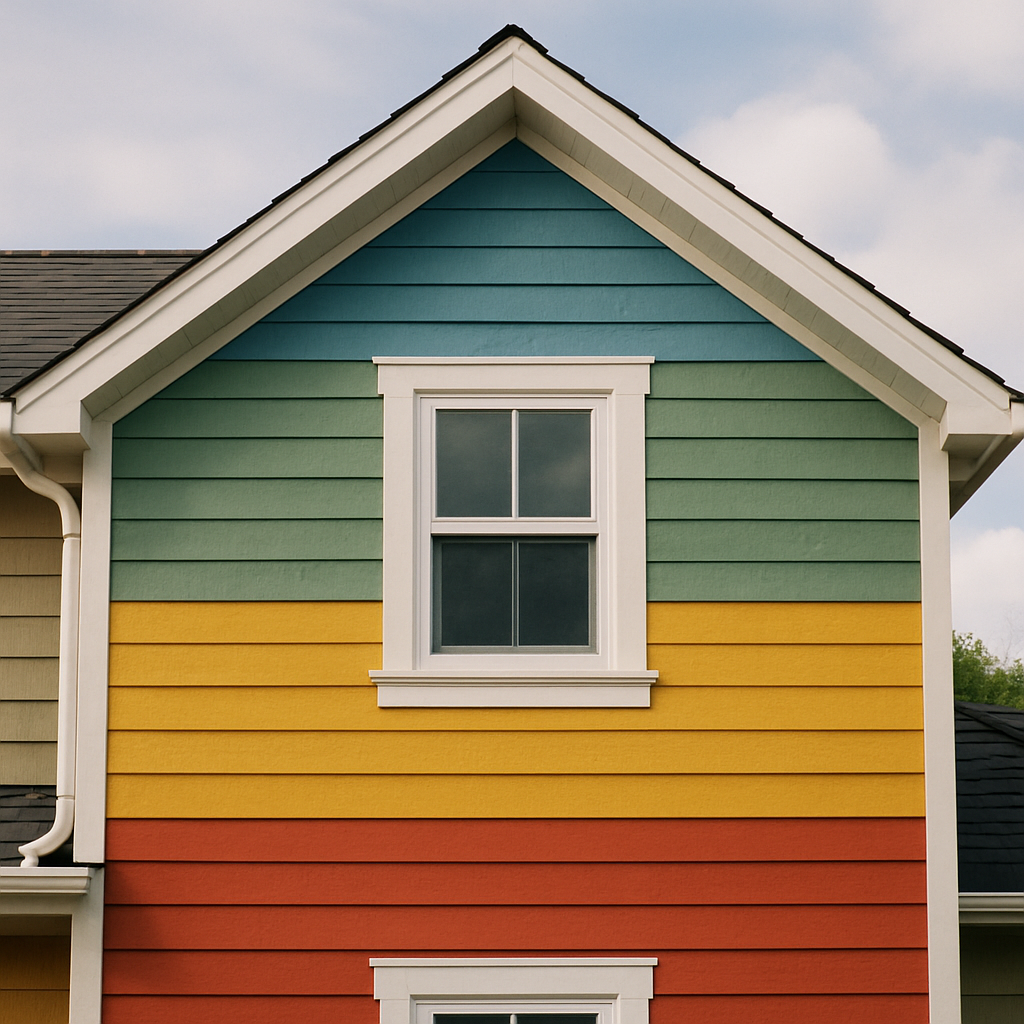
A fresh facade can make a world of difference in your home’s value. Investing in quality siding ensures long-term protection and peace of mind.
✅Key Factors That Affect Siding Lifespan
The longevity of your siding depends on various factors. These factors include material quality, installation, and environmental conditions. Each component plays a vital role in lifespan.
Proper installation is crucial. Incorrect installation can lead to premature failures. Hiring skilled siding contractors ensures a precise job.
by Isabel Retamales (https://unsplash.com/@imretama)
Climatic conditions also influence durability. Materials respond differently to humidity, temperature, and UV exposure. Choose siding based on your region’s climate.
Regular maintenance extends siding life significantly. Regular inspections and cleaning prevent damage.
Consider these key factors affecting siding lifespan:
- Quality of materials
- Professional installation
- Climate and weather exposure
- Routine maintenance
- Frequency of inspections
Focusing on these factors ensures your siding endures for the maximum time possible. Invest in quality and enjoy long-term peace of mind.
👉Siding Material Lifespans: A Detailed Comparison
Not all siding materials last the same amount of time. Each type offers unique benefits and challenges. Understanding these differences aids in making informed choices.
The longevity of siding impacts both aesthetics and home protection. Matching material choice to your specific needs and environment is crucial.
Consider durability alongside cost and maintenance. This combination offers the best value over time. Let’s explore the lifespan of various siding materials.
Vinyl Siding
Vinyl siding is a popular choice for many homeowners. It offers affordability and ease of maintenance. Typically, vinyl siding lasts between 20 and 40 years.
However, vinyl is sensitive to extreme temperatures. It can warp or become brittle over time. Regular cleaning helps maintain its appearance.
Advantages of vinyl siding include:
- Low maintenance needs
- Wide variety of colors and styles
- Cost-effectiveness
Choose vinyl if you seek a budget-friendly option. Ensure regular checks for optimal performance.
Fiber Cement Siding
Fiber cement siding is renowned for durability. With proper care, it can exceed a 50-year lifespan. It resists fire, rot, and pests effectively.
This siding mimics wood while requiring less maintenance. However, it tends to be heavier and harder to install.
Benefits of fiber cement include:
- Superior longevity
- Resistance to fire and pests
- Minimal expansion or contraction
It’s a sound investment for long-term homeowners seeking low maintenance.
Wood Siding
Wood siding offers a classic aesthetic appeal. With routine maintenance, it can last from 20 to 40 years. Its natural look is hard to replicate.
However, it demands significant upkeep. Painting, staining, and sealing are necessary for longevity.
Key features of wood siding:
- Timeless beauty
- Renewable resource
- Requires consistent care
Opt for wood if authenticity and natural charm top your list.
Aluminum Siding
Aluminum siding offers impressive durability. Lifespan ranges from 30 to 50 years. It resists rust, pests, and fire.
Aluminum may dent under impact, a consideration for homeowners. Nonetheless, its low maintenance demands enhance its appeal.
Perks of aluminum siding:
- Long-lasting durability
- Fire-resistant
- Minimal maintenance
Consider aluminum for lasting performance with minimal upkeep.
Stucco Siding
Stucco siding is known for its longevity. It can last 50 to 80 years with proper maintenance. It’s ideal for drier climates due to its resistance to moisture.
Stucco requires specific installation expertise. Cracks can appear but are often repaired easily.
Benefits of stucco siding:
- Long lifespan
- Excellent temperature regulation
- Aesthetically versatile
Stucco is perfect for homeowners in arid regions looking for style and durability.
Brick Siding
Brick siding is one of the most durable options available. It often exceeds 100 years of life. Brick offers exceptional fire resistance and weather resilience.
It requires very little maintenance, making it cost-effective over time. However, brick installation can be expensive initially.
Key benefits of brick siding:
- Superior longevity and durability
- Low maintenance
- Strong weather resistance
Brick is an excellent investment for those seeking longevity with minimal upkeep.
Engineered Wood Siding
Engineered wood combines the appeal of wood with enhanced strength. It often lasts 20 to 30 years. This siding is durable, thanks to advanced manufacturing methods.
It’s less expensive than traditional wood siding, offering aesthetic and economic benefits. Routine maintenance helps extend its lifespan.
Advantages of engineered wood:
- Cost-effective
- Natural appearance
- Enhanced durability
Choose engineered wood for a blend of style, durability, and affordability.
💪The Siding Replacement Process: What to Expect
Siding replacement requires several steps for a smooth process. Each step is crucial to ensure quality and durability.
First, the old siding must be removed carefully. This step helps inspect any underlying damage. It reveals important structural issues needing attention.
Next, assess the exterior walls for necessary repairs. Addressing issues like rot or mold is essential. These problems can affect the new siding’s performance.
Finally, prepare for siding installation. Precise measurements and cutting ensure a perfect fit. Proper insulation and weatherproofing add to the siding’s effectiveness.
Key steps in the siding replacement process include:
- Remove old siding
- Inspect and repair the structure
- Install new siding with care
Professional siding contractors help facilitate this process. Their expertise ensures long-lasting results.
Choosing the Right Siding Contractors
Selecting the right siding contractors is vital for a successful project. Experience plays a significant role in quality results. Always look for contractors with a solid track record.
Obtain multiple quotes before making a decision. This process helps compare costs and services. Discuss material options and timelines with each contractor.
Research and verify credentials. Ensure the contractor is licensed and insured. These steps protect you from potential issues.
Key considerations for choosing siding contractors:
- Verify experience and reputation
- Obtain multiple quotes
- Confirm licenses and insurance
By carefully selecting the right team, you ensure a smooth siding replacement process. This choice significantly influences the project’s outcome and your home’s longevity.
⏰Siding Replacement Timeline: When Is It Time?
Determining the right time for siding replacement can be challenging. Look for clear signs indicating the need for a replacement. These signs, if ignored, can lead to more significant issues.
Fading and peeling are common indicators. If your siding no longer holds paint or fades quickly, it’s time to consider new siding. Moisture problems, such as mold or water stains, are serious signs as well.
Here are key signs that you might need siding replacement:
- Frequent peeling or fading
- Visible cracks or gaps
- Rotting or warping
- Noticeable increase in energy bills
Timely siding replacement can save money and further protect your home. Act promptly to avoid escalating costs and maintain your home’s integrity.
❓Why Choose One Nation Exteriors for Your Siding Replacement
One Nation Exteriors offers a blend of experience and reliability. Our expertise ensures quality siding installation and long-lasting results. We are dedicated to meeting homeowners’ expectations with exceptional service.
Choosing One Nation Exteriors comes with several benefits:
- Expert siding contractors with years of experience
- Use of high-quality and durable materials
- Personalized consultation to fit your home’s needs
Our commitment to customer satisfaction makes us a top choice for siding replacement. Trust us to enhance your home’s exterior while providing peace of mind.
💵Conclusion: Invest in Your Home’s Future
Siding replacement is a valuable investment for homeowners. Choosing the right material and maintaining it well can significantly extend its life. Consult with professional siding contractors like One Nation Exteriors to ensure a successful replacement process.
By upgrading your siding, you boost your home’s look and protect it for the future. Thoughtful decisions now can lead to long-term savings and increased property value. Making informed choices about siding will help secure and enhance your home.


