

When it comes to roofing, asphalt shingles remain a popular choice for homeowners due…
Metal vs Asphalt Roofing Which Lasts Longer for Commercial Buildings
Choosing the right roofing material is crucial for commercial buildings. It impacts longevity, maintenance, and overall costs.
Metal and asphalt are two popular options. Each has its own set of benefits and drawbacks.
Metal roofing is known for its durability and long lifespan. It can withstand harsh weather conditions.
Asphalt roofing, on the other hand, is more budget-friendly upfront. However, it may require more frequent repairs.
Understanding the differences between these materials can help in making an informed decision.
Metal Roofing Longevity: How Long Does a Metal Roof Last?
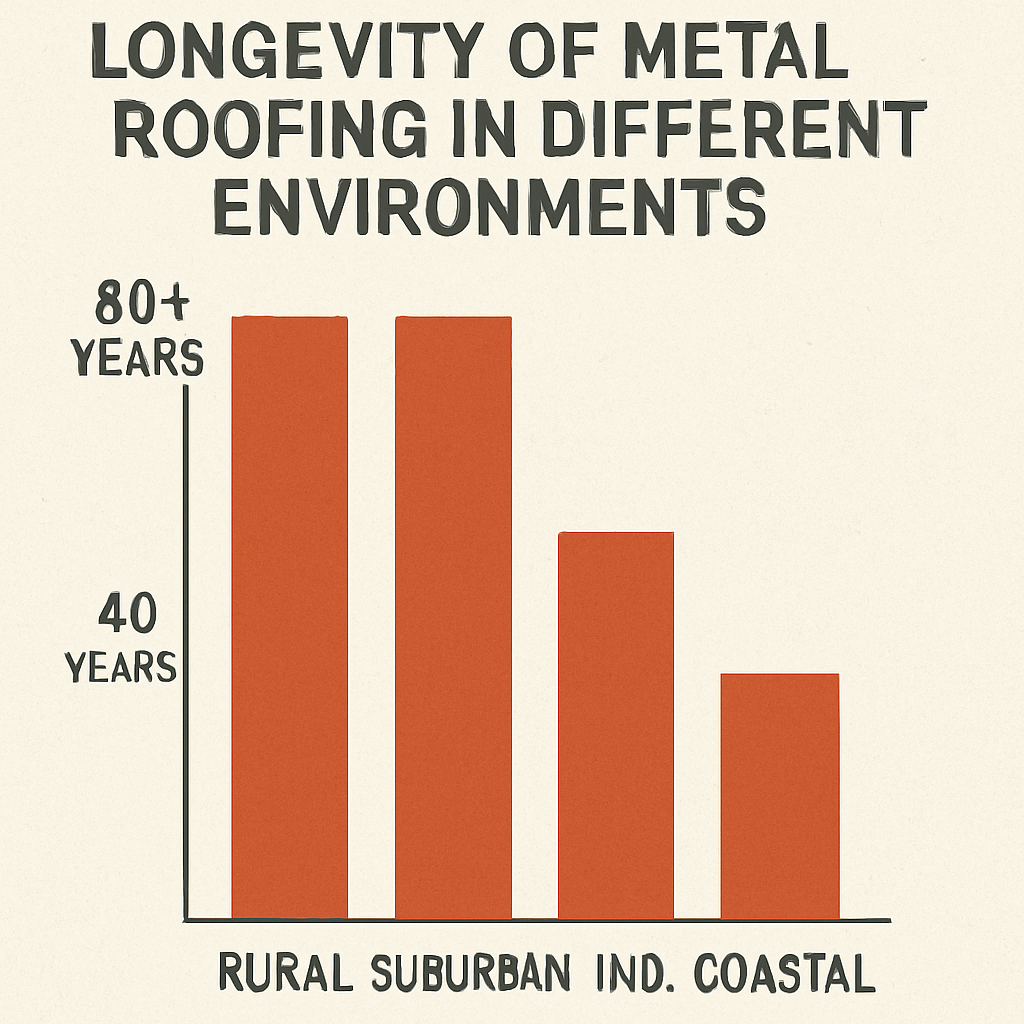
Metal roofing is renowned for its exceptional durability. A metal roof typically lasts between 40 to 70 years. This significantly exceeds the lifespan of most other roofing materials.
Various factors contribute to the long lifespan of metal roofs. The material’s natural resistance to weather plays a huge role. It can endure heavy winds, snow, and hail without much damage.
Another aspect that adds to metal roofing longevity is its resistance to fire. Metal roofs do not ignite easily, unlike some other roofing options. This fire resistance adds a layer of safety to commercial properties.
Additionally, metal roofs are less prone to issues like rot and pest damage. These common problems often plague other roofing materials. Such durability reduces the need for frequent repairs and replacements.
Key factors influencing metal roof lifespan include:
- Quality of Installation: Proper installation ensures maximum performance.
- Type of Metal Used: Some metals are more durable than others.
- Maintenance Practices: Regular inspections can catch potential problems early.
Ultimately, choosing metal roofing is a wise investment for any commercial building. Its longevity offers peace of mind and reduced overall maintenance costs.
Asphalt Roofing Longevity: Typical Lifespan and Durability
Asphalt roofing is a common choice for many commercial buildings due to its initial affordability. However, when considering longevity, asphalt roofs typically last between 15 to 30 years. This is significantly shorter compared to metal roofing.
Weather conditions are a major factor impacting the lifespan of asphalt roofs. They are more vulnerable to damage from severe weather. High winds, ice, and heavy rain can lead to frequent repairs.
Asphalt shingles tend to absorb heat, which can accelerate wear over time. This heat absorption also affects cooling costs for commercial buildings. Additionally, asphalt roofs are susceptible to algae and moss growth, which may affect their durability.
Key factors that influence asphalt roof longevity include:
- Quality of Installation: Poor installation can lead to premature failure.
- Climate Conditions: Extreme temperatures can shorten roof lifespan.
- Regular Maintenance: Frequent inspections and repairs are necessary.
Ultimately, while asphalt roofing may offer a lower upfront cost, its shorter lifespan and higher maintenance needs can lead to increased long-term expenses. Proper care and regular upkeep can help maximize its service life.
Key Benefits of Metal Roofing for Commercial Properties
Metal roofing offers a range of benefits that make it an ideal choice for commercial properties. One of the most notable advantages is its exceptional durability. Metal roofs can last anywhere from 40 to 70 years, far outlasting asphalt options.
Additionally, metal roofs are renowned for their ability to withstand extreme weather conditions. Heavy snow, high winds, and hail pose little threat to a properly installed metal roof. This resilience leads to lower repair needs over time.
Energy efficiency is another significant benefit. Metal roofs reflect solar heat, which helps reduce cooling costs during hot months. They contribute to a more comfortable and cost-effective environment in commercial buildings.
The benefits of metal roofing for commercial properties include:
- Longevity: Lasts 40-70 years.
- Weather Resistance: Withstands harsh conditions.
- Energy Savings: Reduces cooling costs.
- Minimal Maintenance: Less need for repairs.
- Environmental Friendliness: Often made from recycled materials.
Moreover, the environmental impact of metal roofs is minimal. They are often made from recycled materials and are fully recyclable at the end of their lifespan. This makes them a sustainable choice for property owners focused on green building practices.
Metal Roof Maintenance vs Asphalt Roof Maintenance
Maintaining a commercial roof is crucial for its longevity. Metal roofs excel in this area due to their minimal maintenance requirements. Compared to asphalt roofing, metal roofs require less frequent inspections and repairs.
Metal roofs are resistant to common issues like fire, pests, and rot, reducing the need for constant oversight. Regular inspections, while still necessary, are less frequent. This saves time and resources over the roof’s lifespan.
On the other hand, asphalt roofs tend to require more attention. They are prone to damage from weather and UV exposure. This can lead to more frequent repairs to prevent leaks and water damage, especially in extreme climates.
Here’s a concise maintenance comparison:
- Metal Roofs:
- Rarely need repairs
- Resistant to environmental factors
- Simple routine inspections
- Asphalt Roofs:
- More frequent repairs
- Susceptible to weather-related damage
- Regular inspections needed
Choosing between metal and asphalt involves considering maintenance efforts. Metal’s resilience and durability make it a less demanding option. In contrast, asphalt may incur higher maintenance costs due to its vulnerability to environmental wear.
Cost Comparison: Upfront Investment and Long-Term Value
Here’s a cost comparison breakdown:
- Metal Roofs:
- Higher initial cost
- Long-term savings on maintenance
- Lower energy bills
- Asphalt Roofs:
- Lower initial cost
- Higher maintenance costs
- Potentially higher energy bills
Investing in a roofing solution should balance immediate affordability with future savings. While asphalt provides a budget-friendly start, metal can offer more value in the long run.
Environmental Impact: Sustainability and Energy Efficiency
Here’s a sustainability checklist:
- Metal Roofs:
- Made from recycled materials
- Fully recyclable
- Reflect solar heat
- Asphalt Roofs:
- Shorter lifespan
- More landfill waste
- Absorbs solar heat
Selecting a roofing material involves balancing environmental impact with energy efficiency, and metal roofs clearly lead in both categories.
Aesthetic and Design Considerations for Commercial Buildings
Here’s a quick comparison:
- Metal Roofs:
- Modern and sleek
- Variety of colors and finishes
- Asphalt Roofs:
- Traditional aesthetic
- Limited color and style options
Selecting the right roofing material requires considering both design preferences and functional needs.
Choosing the Right Roofing Material: Factors to Consider
Choosing the right roofing material involves weighing several crucial factors. Each commercial building has unique needs and constraints. Understanding these can guide you to the best decision.
Budget is often the primary consideration. While metal roofing has higher upfront costs, its longevity and low maintenance can offer long-term savings. In contrast, asphalt roofing is more affordable initially, but may require more frequent repairs.
Climate and environmental conditions also play significant roles. Metal roofing withstands harsh weather, making it ideal for areas with extreme weather patterns. Asphalt can be a better choice for milder climates with fewer environmental stresses.
Key factors include:
- Budgetary Constraints
- Climate Conditions
- Maintenance Requirements
Selecting a roofing material that balances these factors helps ensure longevity and value.
Conclusion: Which Roofing Option Lasts Longer and Offers More Value?
Both metal and asphalt roofing offer unique benefits for commercial buildings. Metal roofing generally lasts longer, providing durability and reduced maintenance. Its longevity can offset the initial higher costs, making it cost-effective in the long run.
Asphalt roofing, on the other hand, is less expensive upfront. However, its shorter lifespan and higher maintenance needs can lead to increased costs over time. This might make asphalt less favorable for businesses planning long-term occupancy.
Ultimately, the choice depends on factors like budget, environmental conditions, and building goals. For businesses aiming for a durable, sustainable option, metal roofing offers significant long-term value and peace of mind.
👉📞Contact ONE NATION EXTERIORS for a free quotation!


