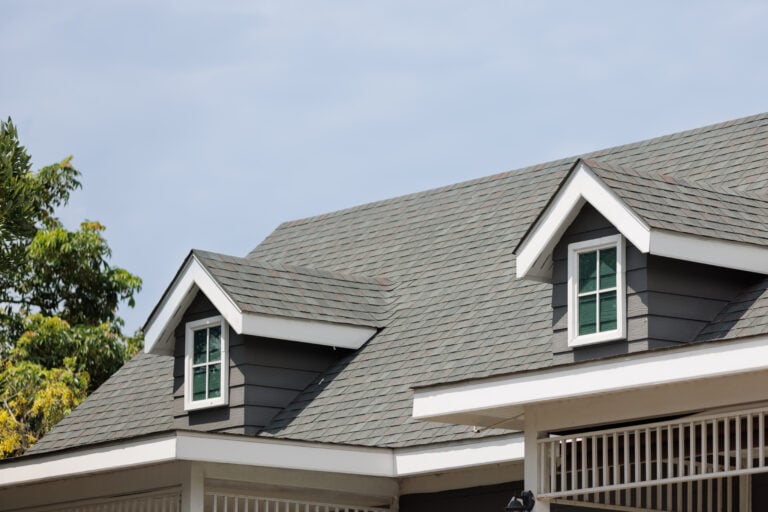
When it comes to roofing, asphalt shingles remain a popular choice for homeowners due…
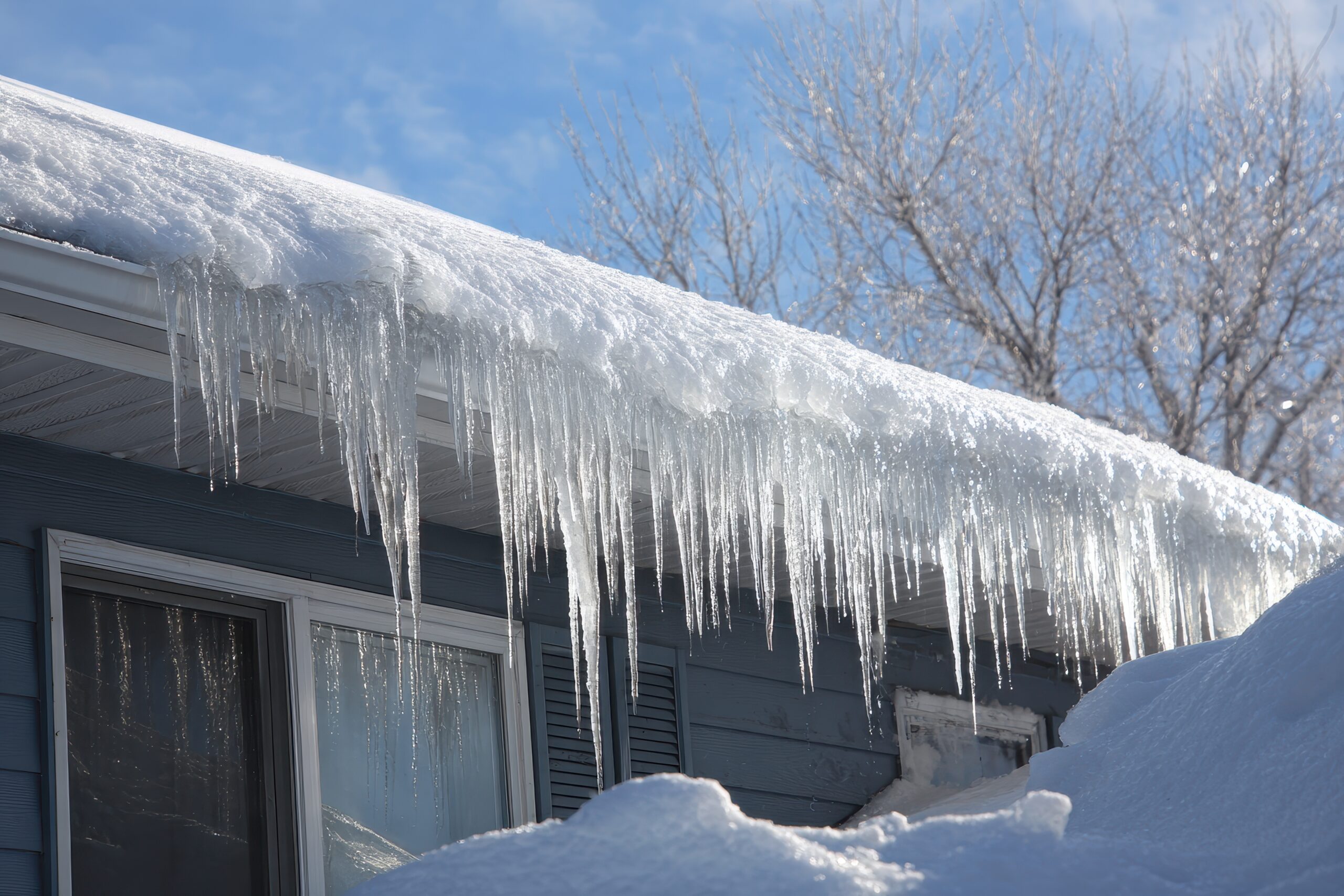
Safe Effective Ice Dam Removal Protect Your Roof
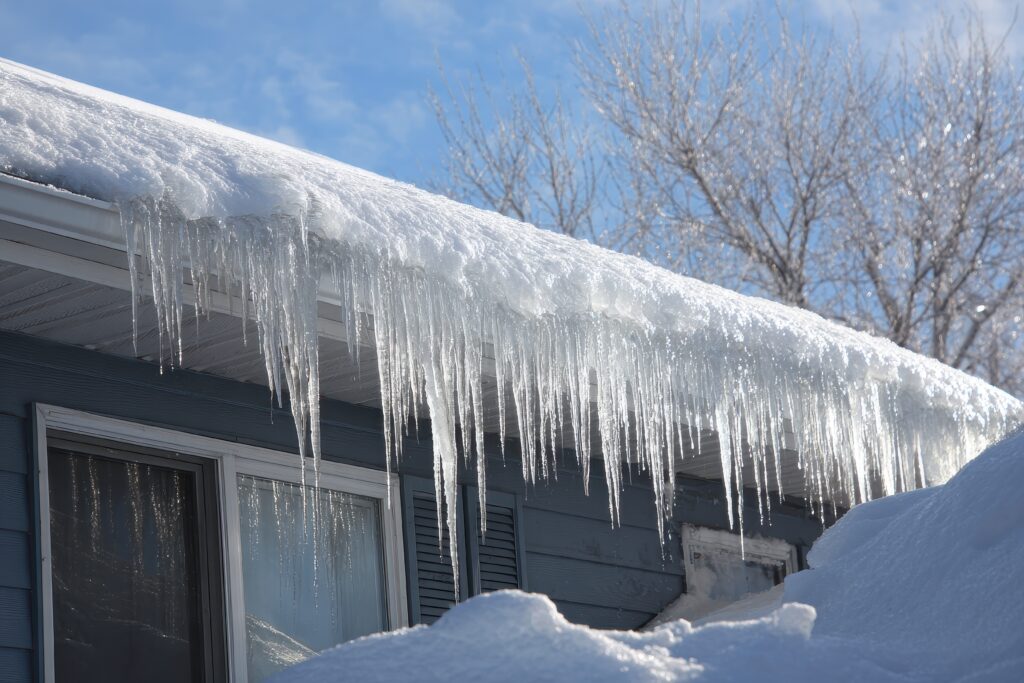
What Are Ice Dams?
Ice dams are ridges of ice that form along the edges of your roof. They are often caused by a combination of melting snow and freezing temperatures. When the snow on your roof melts, the water flows down to the cooler edges and refreezes, creating a barrier. As more snow melts, the water backs up behind the dam, potentially seeping under shingles and into your home.
This process is exacerbated by inadequate roof insulation and poor ventilation, which can cause uneven heating across the roof surface. The upper sections of the roof warm up due to heat escaping from the home, causing snow to melt, while the cooler eaves remain cold, promoting the refreezing of melted snow. Over time, this cycle of melting and refreezing can lead to a significant buildup of ice, creating larger and more problematic dams.
The Dangers of Ice Dams
Ice dams can lead to a host of problems. They can damage roof shingles, cause leaks, and lead to mold growth inside your home. Additionally, the weight of the ice can stress your roof structure, leading to more severe issues over time.
Water that seeps into your home due to ice dams can damage insulation, leading to reduced thermal efficiency and higher heating costs. Mold and mildew growth as a result of moisture infiltration can compromise indoor air quality, posing health risks to occupants. Furthermore, the added weight of ice can cause gutters to sag or detach, leading to additional repairs and potential safety hazards around your home.
Ice Dam Prevention
Preventing ice dams is all about managing the heat in your attic. Here are some effective strategies to keep your roof ice-free. Prevention not only protects your home but also saves money and stress in the long run by avoiding potential damage and repairs.
Insulation and Ventilation
Proper insulation and ventilation in your attic are your first lines of defense against ice dams. Insulation keeps warm air from escaping into the attic and heating the roof. Ventilation helps to maintain a consistent temperature, preventing the snow from melting unevenly.
- Add Insulation: Ensure your attic is well-insulated to minimize heat loss. Check for gaps and seal them to prevent warm air from escaping. A well-insulated attic maintains a cold roof surface, reducing the risk of melting snow and subsequent ice dam formation.
- Improve Ventilation: Install soffit and ridge vents to promote airflow. This helps maintain a consistent roof temperature. Proper ventilation facilitates the escape of warm air and allows cooler air to circulate, further aiding in maintaining a uniform roof temperature.
Roof Maintenance
Regular maintenance can also help prevent ice dams. Proactive maintenance ensures that your roof is in good condition to handle winter weather, reducing the likelihood of ice dam formation.
- Clear Debris: Keep your gutters and downspouts clear of leaves and debris. This ensures that melting snow can flow away from your roof smoothly. Clogged gutters can cause water to back up and refreeze, exacerbating ice dam issues.
- Trim Overhanging Branches: Ensure no branches are shading your roof, which can cause uneven melting. Shaded areas of your roof can stay cooler longer, creating spots where ice dams are more likely to form.
Use Ice Melt Products
Consider using ice melt products specifically designed for roofs. These products can help prevent ice formation and reduce the risk of ice dams. Ice melt products are a proactive measure that can be applied before heavy snowfall to minimize ice accumulation.
Choosing the right product is crucial, as some ice melts can cause damage to roofing materials. Always opt for products that are safe for use on roofs and follow the manufacturer’s instructions for application. Regular application in vulnerable areas can provide an additional layer of protection against ice dams.
Safe Ice Dam Removal
If you already have an ice dam, it’s important to remove it safely to avoid further damage to your roof. Here are some methods to consider. Safe removal techniques prioritize the integrity of your roof and the safety of those performing the removal.
Steaming
One of the safest ways to remove ice dams is by using steam. This method involves using a machine that generates hot steam to melt the ice without damaging your roof or shingles.
- Hire Professionals: Steaming requires specialized equipment and should be handled by professionals to ensure safety and effectiveness. Professionals are trained to handle the equipment safely and can efficiently remove ice dams with minimal risk to the roof.
De-Icing Cables
De-icing cables are another effective solution. These are heated cables that can be installed along the roof’s edge to melt ice and prevent dams from forming.
- Installation: Install de-icing cables before winter sets in. They are plugged into an electrical source and work by gently heating the roof’s edge to prevent ice formation. De-icing cables are an excellent preventative measure, especially in areas prone to heavy snowfall.
Calcium Chloride
Calcium chloride is a type of salt that can melt ice without damaging your roof. It is more effective and less harmful than rock salt.
- Apply Carefully: Place the calcium chloride in a tube sock or pantyhose and lay it across the ice dam. This targeted application will help melt the ice safely. This method allows the calcium chloride to gradually dissolve the ice, minimizing potential damage to roofing materials.
Avoid Dangerous Methods
When it comes to removing ice dams, some methods can do more harm than good. Avoid these common pitfalls. Using the wrong techniques can exacerbate damage and lead to costly repairs.
- Using a Hammer or Chisel: Chipping away at the ice can damage your roof shingles and structure. Physical removal can create cracks and chips in shingles, leading to leaks and additional damage.
- Using Salt Directly on the Roof: Traditional rock salt can corrode shingles and other roofing materials. The corrosive nature of salt can lead to deterioration of roofing materials, compromising their effectiveness.
- Ignoring the Problem: Allowing ice dams to persist can lead to extensive and costly damage to your roof and home. Ignoring ice dams can result in significant water damage, mold growth, and structural issues over time.
When to Call a Professional
While some ice dam removal methods can be done by homeowners, there are times when calling a professional is the safest option. If the ice dam is extensive or you are unsure about safely removing it, a professional like ONE NATION EXTERIORS can ensure that it’s done without risking damage to your roof or personal injury. Professionals have the expertise and equipment necessary to handle even the most challenging ice dams safely.