When it comes to roofing, asphalt shingles remain a popular choice for homeowners due…
5 Signs That It’s Time to Replace Your Roof
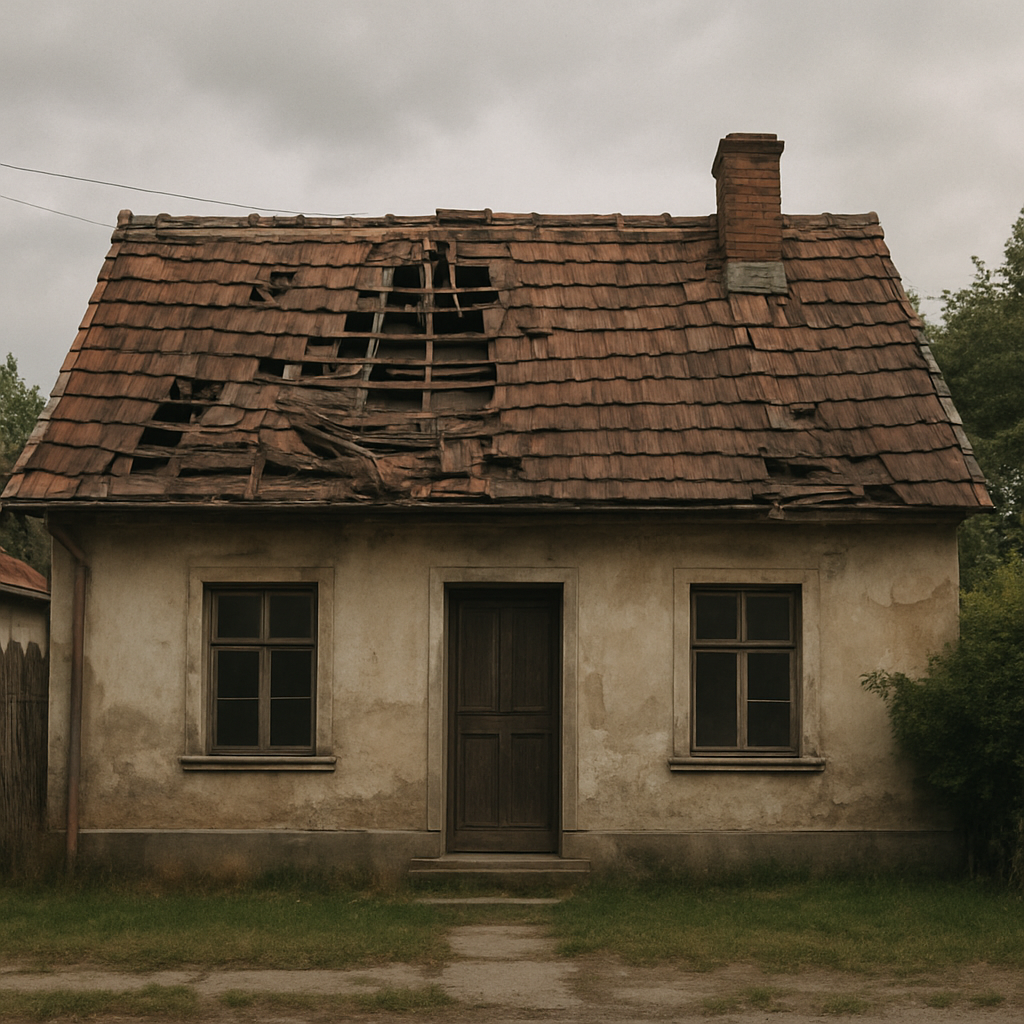
Your roof is a crucial part of your home. It protects you from the elements and keeps your family safe.
But how do you know when it’s time to replace it? Recognizing the signs to replace your roof can save you from costly repairs.
In Minnesota, harsh weather can shorten a roof’s lifespan. Knowing what to look for is essential for homeowners.
This guide will help you identify the key signs you need a new roof. Stay informed and protect your investment with our expert roofing tips for homeowners.

How Long Does a Roof Last in Minnesota?
The lifespan of a roof in Minnesota is influenced by weather. The state experiences severe cold, snow, and ice. Typically, roofs last around 20 to 25 years.
Roof materials play a big role in longevity. Shingle roofs typically last 20-30 years. Meanwhile, metal roofs can last up to 70 years.
Several factors can affect how long your roof lasts. Some key factors include:
- Type of roofing material
- Maintenance and care
- Local climate conditions
Homeowners should monitor for signs of wear, especially after harsh winters. Always schedule regular inspections for roof longevity.

Sign 1: Curling, Cracked, or Missing Shingles
Curling shingles are a significant red flag. They indicate possible water infiltration or poor installation. Curling leads to further roof problems if left unchecked.
Cracked shingles also signal trouble. Shingles can crack due to age or weather conditions. Cracks expose your home to the elements, risking more damage.
Missing shingles are equally concerning. They leave your roof vulnerable to leaks. When shingles go missing, it’s critical to address the issue quickly.
Identify issues with shingles by checking for:
- Shingles curling at the edges
- Cracks appearing on the surface
- Shingles missing or loose
Regular inspections help catch problems early, preventing extensive damage. If you spot these signs, consider roof replacement. Ignoring these symptoms risks more significant problems later.
Sign 2: Granule Loss and Bald Spots
Granule loss on shingles is a common sign of aging. These granules protect shingles from the sun and elements. Over time, they can wear off, exposing shingles to damage.
Bald spots appear when granules detach, leaving bare patches. These spots indicate shingles are nearing the end of their life span. Such exposure accelerates deterioration, compromising roof effectiveness.
Regularly inspect your gutters for granule build-up, a telltale sign of granule loss. Act quickly if you notice:
- Excess granules in gutters
- Bald patches on shingles
- Discoloration on shingles
Monitoring these signs can prevent future complications. When bald spots increase, it’s wise to plan for a roof replacement. Ignoring them could lead to costly repairs.
Sign 3: Water Damage, Leaks, or Stains
Water damage is a crucial signal to replace your roof. Leaks can start small but expand quickly, leading to costly damage. Even minor signs of moisture inside your home shouldn’t be ignored.
You might spot water stains on ceilings or walls. These stains often appear as brown rings or patches. They indicate water infiltration, usually from a compromised roof.
It’s important to check your attic too. Look for damp spots, mold, or mildew growth. These issues can signify a persistent leak.
To identify water-related roof problems, watch for:
- Discolored ceiling spots
- Wall streaks
- Attic dampness
Addressing water damage promptly can prevent structural harm to your home. Don’t wait for leaks to escalate; if these signs are present, consider a roof replacement
Sign 4: Sagging Roof Deck or Structural Issues
A sagging roof deck is a serious concern that could indicate structural issues. It suggests the underlying framework may no longer support the roof’s weight effectively. This sign needs immediate attention, as it could lead to more severe damage.
Inspect your roof from the ground or use binoculars. Look for visible dips or uneven areas. These irregularities can point to sagging structures beneath the shingles.
Other indicators include cracks in the walls or ceilings inside your home. These may emerge if the roof framework shifts or buckles under weight.
Symptoms of structural issues include:
- Noticeable dips on the roof surface
- Cracked interior walls
- Stuck doors due to shifting
Don’t delay if you spot a sagging roof. Engaging a roofing professional to assess the situation can prevent further damage or even collapse.
Sign 5: Moss, Algae, or Dark Streaks
Moss and algae growth on your roof may seem harmless but can lead to bigger issues. These organisms retain moisture, which can deteriorate roofing materials over time. This condition may require a closer look to ensure your roof remains intact.
Dark streaks on the roof often indicate mold or algae buildup. This is not just a cosmetic issue; it can shorten your roof’s lifespan. Addressing these dark streaks promptly can help prevent further damage.
Look for:
- Green patches indicating moss growth
- Black streaks hinting at algae presence
- Moisture spots suggesting retained water
A preventative approach involves regular cleaning and moss prevention treatments. Consulting a roofing expert can offer options to remove and inhibit these growths.
Roofing Tips for Homeowners: Maintenance and Prevention
Regular maintenance is essential for prolonging your roof’s life. Simple preventive measures can ward off costly repairs and replacements. Start by scheduling regular inspections to catch issues early.
Consider these tips for effective maintenance:
- Clean gutters and downspouts regularly
- Trim overhanging branches to prevent damage
- Schedule professional inspections annually
Implementing these strategies can extend your roof’s lifespan. Also, keep an eye on your roof’s overall condition year-round. With proactive care, you’ll save money and stress in the long run.
Roof Replacement Checklist: What to Do Next
When you identify the signs to replace your roof, a structured plan helps ensure a smooth process. Begin by consulting multiple contractors to get various estimates and understand your options. This step will help you make an informed decision about materials and services.
Create a checklist to guide your efforts:
- Verify contractor licenses and insurance
- Check for roofing permits and local regulations
- Choose quality materials with solid warranties
Next, consider your roof’s aesthetic and energy efficiency. Certain materials can enhance both your home’s curb appeal and energy savings. Additionally, it’s wise to prepare for unexpected costs, such as hidden damage.
By following a thorough checklist, you’ll mitigate problems and protect your investment. A well-planned roof replacement can safeguard your home for decades.
Conclusion: When to Replace Your Roof
Recognizing the signs to replace your roof is crucial for maintaining your home’s integrity. Ignoring these can lead to costly repairs down the line.
Stay proactive by performing regular roof inspections and addressing issues promptly. This approach extends your roof’s lifespan and enhances your property’s value.