When it comes to roofing, asphalt shingles remain a popular choice for homeowners due…
5 Of The Best Asphalt Shingles You Can Choose From
As winter approaches, ensuring your home is ready becomes a priority. One crucial aspect is attic insulation. It plays a vital role in maintaining energy efficiency.
Proper insulation keeps your home warm and cozy. It also helps reduce heating costs. But how do you know if your attic insulation needs replacement?
Recognizing the signs of failing insulation is essential. It can prevent discomfort and high energy bills. This guide will help you identify these signs.
By addressing insulation issues early, you can enhance your home’s comfort. You’ll also improve energy efficiency and save money.
Let’s explore the key indicators that your attic insulation might need replacement before winter hits.
Why Attic Insulation Matters for Winter Energy Efficiency
Attic insulation is more than just a buffer against winter’s chill. It plays a pivotal role in controlling how energy is used in your home. By reducing heat loss, it helps maintain a consistent indoor temperature.
When your home is energy efficient, the heating system works less. This translates to lower energy bills, saving you money during the cold months. Without adequate insulation, warm air escapes, leading to uneven temperatures and increased heating demands.
Here are some reasons why attic insulation is crucial for energy efficiency:
- Reduces heat loss in winter
- Lowers energy consumption
- Helps maintain consistent indoor temperatures
By ensuring proper attic insulation, you not only enhance comfort but also contribute to a more sustainable home environment. Proper insulation is key to maintaining energy efficiency.
Sign 1: Fluctuating Temperatures and High Energy Bills
One clear sign of insufficient attic insulation is a noticeable fluctuation in indoor temperatures. You might find some rooms colder than others, despite the heating being on. This inconsistency can make your home uncomfortable and drafty.
High energy bills are another telltale sign that your attic insulation might need attention. Poor insulation forces your heating system to work harder to maintain desired temperatures. This not only increases energy consumption but also elevates heating costs significantly.
You may want to keep an eye on how your energy bills compare to previous years. An unexpected rise might point to insulation issues. Look out for these signs:
- Inconsistent room temperatures
- Spike in heating costs
- Heating system running constantly
Addressing these concerns can help improve both comfort and efficiency in your home. Efficient insulation not only saves money but also enhances the overall indoor climate, ensuring a cozy environment throughout winter.
Sign 2: Moisture, Mold, or Water Damage in the Attic
Moisture in the attic is a serious issue that can compromise insulation effectiveness. When moisture accumulates, it can lead to mold growth, which not only damages insulation but also poses health risks. These conditions often result in reduced energy efficiency as wet insulation does not insulate well.
Inspect your attic regularly for any signs of water damage, such as dark stains on insulation or the presence of musty smells. Mold thrives in damp conditions and can quickly spread, deteriorating the insulating material. This diminishes the insulation’s ability to regulate temperature effectively.
Be mindful of these indicators of moisture problems in your attic:
- Dark, damp insulation
- Musty odors in the attic
- Visible mold or mildew growth
Addressing moisture issues promptly is crucial. Not only does it restore the effectiveness of insulation, but it also protects the structural integrity of your home.
Sign 3: Pest or Rodent Infestation
Pests and rodents can wreak havoc on your attic insulation. Small creatures often seek shelter in attics, especially during cold months, and love to nest in insulation. This nesting can lead to significant damage, rendering the insulation ineffective.
Look for telltale signs of an infestation. Common indicators include droppings, shredded insulation, or gnawed materials. These pests not only damage insulation but can also create health hazards. Their presence can negatively impact the air quality inside your home.
To identify a potential pest problem, keep an eye out for:
- Droppings or urine stains
- Shredded or uneven insulation
- Gnaw marks on wood or other materials
Promptly addressing infestations is critical. Not only will this prevent further insulation damage, but it will also protect the health and comfort of your home environment.
Sign 4: Old, Compressed, or Damaged Insulation
Age can be a significant factor affecting the performance of attic insulation. Insulation materials naturally degrade over time, losing their insulating properties. If your insulation is over 15 to 20 years old, it might be time for an assessment.
Compressed or flattened insulation also poses a problem. If insulation is not fluffy and full, it can’t trap air effectively. This reduces its capacity to insulate your home, allowing heat to escape during winter. Regularly checking the condition of your insulation can catch these issues early.
Damaged insulation is another red flag. This may be due to physical disturbances or renovations. Watch out for:
- Flatter-than-usual insulation
- Tearing or gaps in the insulation
- Old insulation yellowing or turning brittle
Addressing old or damaged insulation promptly is essential. Replacing it with new, efficient materials ensures your home stays comfortable and energy-efficient.
Sign 5: Ice Dams or Drafts in the Home
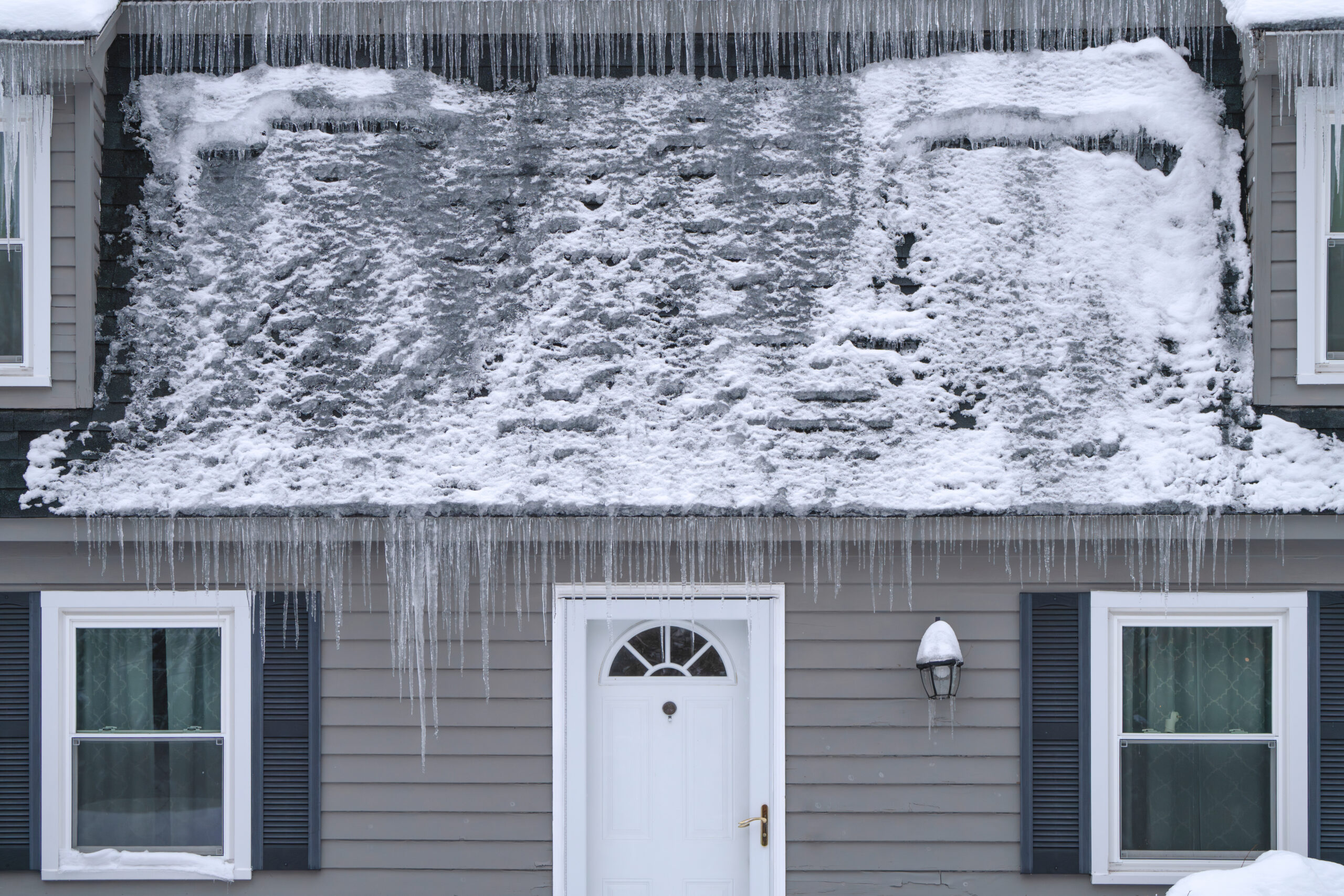
Ice dams on the roof during winter can be a telltale sign of poor attic insulation. They form when heat escapes through the roof, melting snow that refreezes at the edges. This indicates inconsistent insulation.
Another issue linked to insufficient attic insulation is the presence of drafts inside your home. If you notice cold spots or feel cold air seeping through in certain rooms, inadequate insulation might be the cause.
Look for these warning signs:
- Ice forming along the roof edges
- Unexplained cold spots in rooms
- Drafts felt near windows or doors
Identifying and resolving these issues promptly by replacing the attic insulation can prevent further discomfort. It ensures your home is warm and cozy during the cold months.
What to Do If You Notice These Signs
If you observe any of these signs, it might be time for an attic insulation replacement. First, conduct a thorough inspection of your attic to assess the situation. Pay attention to areas with visible damage or wear.
Consider taking these steps:
- Consult a professional for an inspection
- Determine the type and condition of existing insulation
- Plan for repair or complete replacement if necessary
Engaging a professional can provide clarity on the condition of your attic insulation. This ensures you make an informed decision about the necessary steps to enhance your home’s energy efficiency and comfort before winter arrives.
The Benefits of Attic Insulation Replacement Before Winter
Replacing attic insulation before winter can greatly improve your home’s energy efficiency. Proper insulation reduces heat loss, which helps keep your home warm and cozy throughout the colder months. This enhancement ensures stable indoor temperatures and greater overall comfort.
Some key benefits of attic insulation replacement include:
- Lower heating costs and energy bills
- Increased resale value of your home
- Reduced drafts and improved air quality
By addressing insulation issues promptly, you can also prevent potential structural damage. Moisture problems caused by poor insulation may lead to costly repairs. Investing in a replacement now can save money in the long run, making it a wise decision before the onset of winter.