When it comes to roofing, asphalt shingles remain a popular choice for homeowners due…
How Attic Ventilation Keeps Minnesota Homes Cooler in Summer (and Prevents Ice Dams Come Winter)
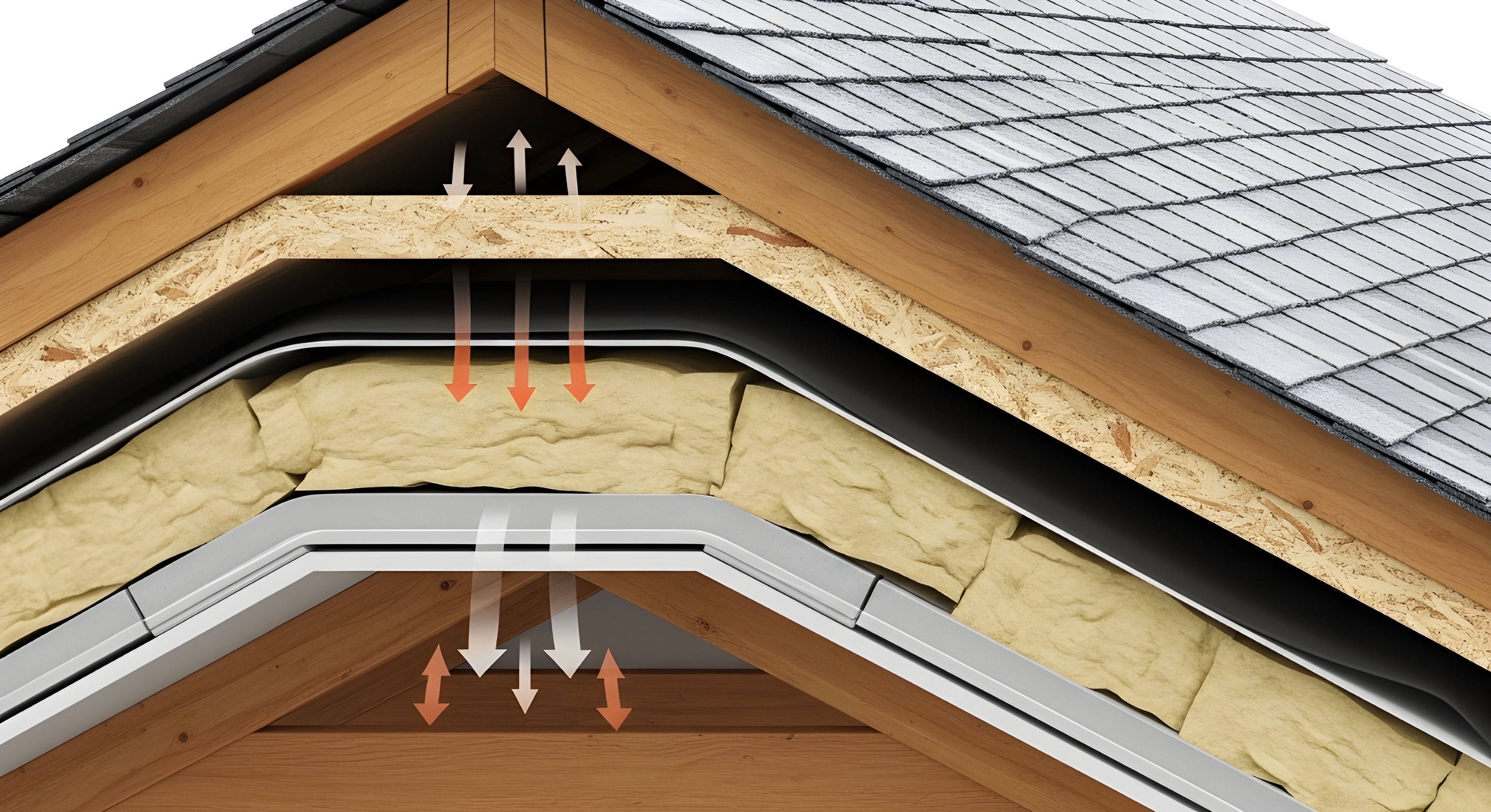
Attic ventilation is essential for Minnesota homes. It plays a crucial role in maintaining comfort throughout the year.
In the summer, proper attic ventilation helps keep homes cooler. It reduces heat buildup, which can lower air conditioning costs.
During the harsh Minnesota winters, attic ventilation prevents ice dams. Ice dams can cause significant damage to roofs and gutters.
By maintaining a cold roof surface, attic ventilation stops snow from melting and refreezing. This prevents the formation of ice dams at the eaves.
Understanding attic ventilation can lead to smarter home improvement decisions. It is a cost-effective way to protect your home and improve living conditions.
🤔Why Attic Ventilation Matters in Minnesota
Minnesota's climate presents unique challenges for homeowners. With hot summers and frigid winters, maintaining home comfort can be tough. Proper attic ventilation is crucial in this climate.
Without adequate ventilation, hot air accumulates in the attic during the summer. This results in increased energy bills as cooling systems work overtime. Proper ventilation reduces this strain and costs.
In winter, poor ventilation leads to the formation of ice dams. Ice dams result from snow melting on a warm roof and refreezing at the eaves. They can cause severe roof and interior damage.
Here's why attic ventilation is essential in Minnesota:
- Temperature Regulation: Keeps homes cooler in summer.
- Ice Dam Prevention: Maintains cold roof surfaces.
- Energy Efficiency: Reduces heating and cooling costs.
- Roof Longevity: Extends the lifespan of your roof.
Addressing these issues through proper attic ventilation can protect your home investment and improve comfort year-round.
👀How Attic Ventilation Keeps Homes Cooler in Summer
During the summer, attics can become unbearably hot. Temperatures can soar as high as 150 degrees Fahrenheit. This heat can seep into living spaces, causing discomfort and increased cooling costs.
Effective attic ventilation helps reduce these high temperatures. It allows hot air to escape, which decreases the strain on air conditioning systems. This leads to lower energy consumption and reduced bills.
There are several ways attic ventilation keeps homes cooler:
- Heat Escape: Ridge vents allow hot air to exit through the roof peak.
- Cool Air Intake: Soffit vents draw in cooler air from outside.
- Improved Air Circulation: Gable vents enhance overall airflow within the attic.
These components work together to create a natural flow of air. Cooler air enters through soffit vents, moves upwards, and exits through ridge and gable vents. This steady air exchange helps maintain a more consistent, cooler temperature.
Without proper ventilation, attics trap heat, pushing it downwards into living areas. By facilitating proper air movement, attic ventilation prevents this heat buildup, contributing to a more comfortable home climate during the summer months.
❄️Preventing Ice Dams in Winter: The Role of Attic Ventilation
Ice dams are a winter hazard for many Minnesota homes. They form when snow on the roof melts and refreezes at the eaves. This can cause water to seep under shingles, leading to damage.
Proper attic ventilation plays a crucial role in preventing ice dams. By keeping the roof cold, it reduces the risk of snow melting unevenly. Balanced attic airflow ensures the temperature is consistent across the roof surface.
To prevent ice dams, consider these ventilation benefits:
- Cold Roof Maintenance: Ensures snow doesn’t melt from underneath.
- Moisture Reduction: Keeps attics dry by preventing condensation.
- Gutter Protection: Reduces ice buildup in gutters, preventing weight damage.
In tandem with adequate insulation, ventilation maintains a stable attic temperature. This minimizes temperature differences between the roof's surface and the interior. By doing so, it helps prevent the thawing and freezing cycle that contributes to ice dam formation.
Ignoring attic ventilation can lead to costly repairs. Damage from ice dams isn't limited to roofs; it affects gutters, walls, and ceilings. Implementing an effective ventilation system is a proactive measure, protecting your home and saving money on potential damages.
🔗The Connection Between Attic Insulation and Ventilation
Attic insulation and ventilation work hand in hand to enhance energy efficiency. Proper insulation is critical to minimize heat transfer from your living space. In winter, it helps keep heat inside the house.
Balanced attic air flow is equally important. Ventilation allows for temperature regulation, impacting the effectiveness of insulation. Without ventilation, insulation can become less efficient due to moisture buildup.
Here's why integrating ventilation with insulation is beneficial:
- Prevents Moisture: Stops moisture from saturating the insulation.
- Enhances Energy Efficiency: Keeps air conditioning and heating costs lower.
- Ensures Insulation Longevity: Moisture control prolongs insulation lifespan.
For optimal results, ensure both systems function together. Insulation alone won't prevent heat buildup or moisture issues. Ventilation, on the other hand, aids in maintaining the insulation's effectiveness.
A well-insulated and ventilated attic translates to a comfortable, energy-efficient home. It guards against ice dams and reduces summer cooling demands. Understanding their connection can help homeowners make better investment decisions, protecting their homes year-round.
✋🏻Types of Attic Ventilation Systems for Minnesota Homes
Choosing the right ventilation system is key to protecting your home. Various options cater to different needs and roof designs. Each system offers unique benefits.
Ridge vents are popular in many homes. Installed along the roof's peak, they allow hot air to escape efficiently. Soffit vents complement ridge vents well. Located under the eaves, they bring in cool air from outside.
Gable vents are another option. These are found on the exterior walls of the attic. They provide additional airflow, enhancing overall ventilation. All these vents work by using the natural movement of air, which ensures continuous circulation.
Here are the most common attic ventilation systems:
- Ridge Vents: Expel hot air along the roof's peak.
- Soffit Vents: Introduce fresh air under the eaves.
- Gable Vents: Enhance airflow on attic walls.
The stack effect, where warm air rises and exits, is crucial for attic ventilation in Minnesota. Properly installed systems optimize this effect, improving energy efficiency. Balancing intake and exhaust ventilation ensures effective airflow. By choosing the right system, homeowners can enjoy a cooler home in summer and prevent winter ice dams.
🆘Signs of Poor Attic Ventilation (and What to Do)
Recognizing signs of poor attic ventilation can save you from expensive repairs. Excessive heat in the attic during summer is a common indicator. This can lead to increased cooling costs and discomfort.
Mold growth is another sign to watch out for. High humidity or dampness in the attic encourages mold. Mold not only harms air quality but also damages structures over time.
Ice dams in winter signal poor ventilation as well. They form when heat escapes into the attic, melting snow on the roof, which then refreezes at the eaves. This can damage shingles and gutters.
Here's a quick checklist to identify ventilation issues:
- Excessive heat or moisture in the attic
- Visible mold or mildew
- Recurring ice dams
Addressing these signs involves inspecting vents for blockages or damage. Cleaning soffit vents and ensuring ridge vents are clear can vastly improve airflow. If problems persist, it may be time to consult a professional for a thorough evaluation. Proper maintenance ensures better attic airflow and protects your home year-round.
☎️When to Call a Professional for Attic Ventilation
Some ventilation issues are easy to spot yourself, but a few signs mean it's worth bringing in an expert:
- Visible mold or mildew in the attic
- Ice dams that keep coming back no matter what you try
- Attic temperatures that stay high even with existing ventilation
If any of these sound familiar, One Nation Exteriors can take a look, recommend the right ventilation setup for your home, and make sure everything meets local building codes.
Energy Efficiency and Year-Round Savings
Good attic ventilation takes pressure off your HVAC system, which means:
- Lower heating and cooling bills
- Less wear on your heating and cooling equipment
- A longer lifespan for your roofing materials
Balancing insulation with ventilation keeps your home comfortable in every season, not just protected from ice dams in winter.
The Bottom Line
Attic ventilation is one of the simplest ways to protect your home and keep it comfortable through Minnesota's extremes. If it's been a while since yours was checked, One Nation Exteriors can take a look and make sure it's doing its job.