When it comes to roofing, asphalt shingles remain a popular choice for homeowners due…
Can You Replace a Roof in Minnesota Winter? What Homeowners Should Know Before Scheduling
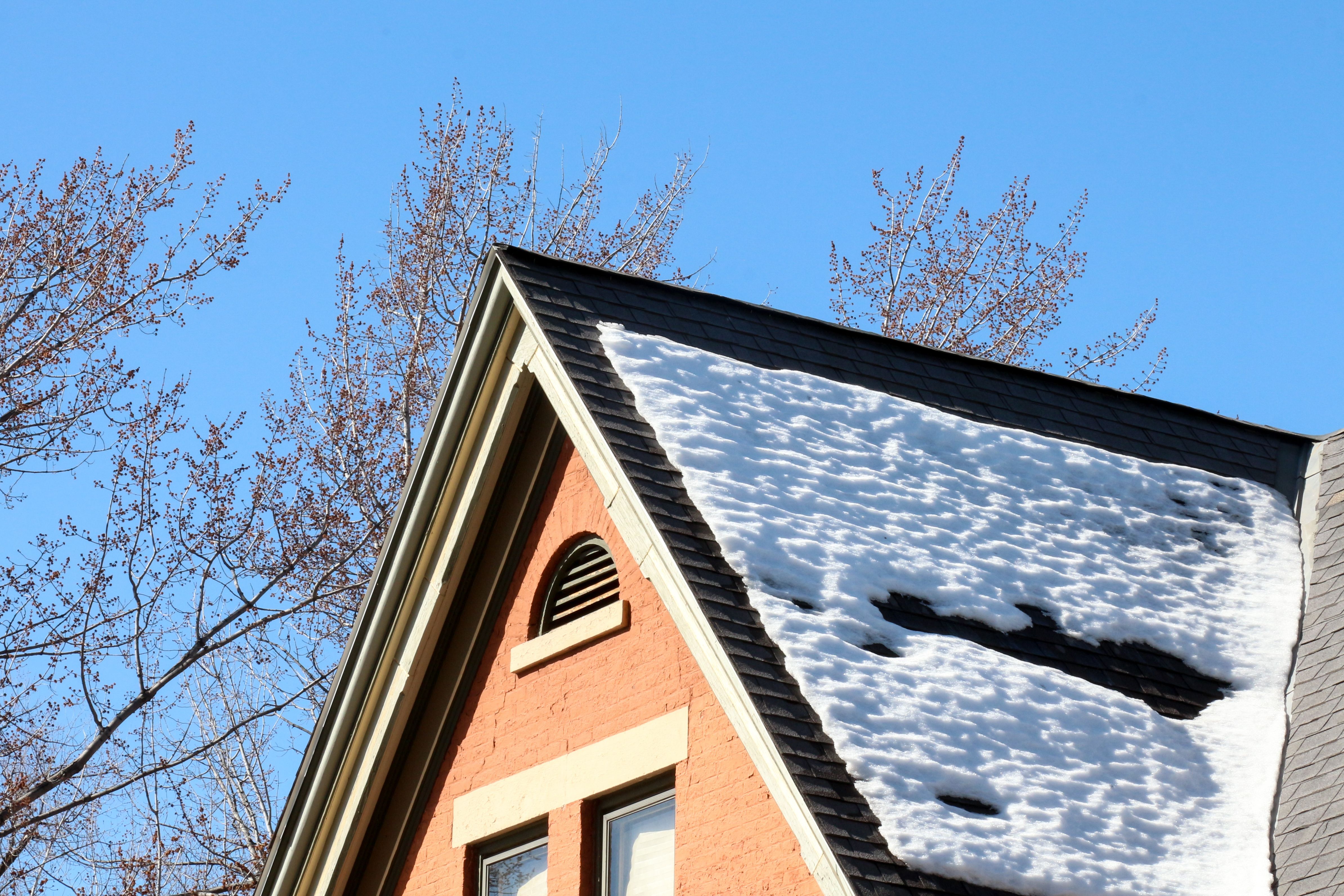
Yes, roof replacement in Minnesota winter is possible, but a successful asphalt-shingle installation requires suitable weather, careful material handling, and manufacturer-approved cold-weather procedures. Winter roof replacement can address urgent damage without waiting for spring; it should not mean accepting shortcuts on sealing or moisture protection. Understanding those differences helps you decide whether to schedule now or stabilize the roof and wait. (gaf.com)
🧐Can a winter roof replacement deliver reliable protection?
A winter installation can provide reliable protection when the contractor follows the selected roofing products’ installation requirements and works within suitable conditions. Cold weather itself does not automatically invalidate a warranty: GAF, for example, says its warranty is unaffected when all application instructions, including cold-weather provisions, are followed. That is product-specific guidance, not blanket permission to install any roof in any temperature. (gaf.com)
The distinction matters because asphalt shingles do more than overlap. Their factory-applied sealant bonds them together after exposure to sufficient warmth and sunlight. Without that bond, shingles are more vulnerable to wind damage; GAF requires hand-sealing during prolonged cold periods under its applicable installation instructions. (documents.gaf.com)
For homeowners, the useful question is not simply whether a crew works year-round. Ask how it will deliver a properly installed system under the forecast conditions—and request the relevant manufacturer instructions before approving the work.
🥶What changes during cold weather roofing
Winter roofing requires changes to material handling, sealing, and job sequencing. These are installation responsibilities, not optional upgrades to negotiate away for a lower bid. Ask contractors to identify the precautions included in their proposal.
Shingle handling and fastening need extra care
Asphalt shingles become more brittle in cold temperatures. IKO advises against bending, dropping, or throwing cold bundles and describes warming materials before application to improve flexibility. Its guidance also calls for shingles to lie flat while nails are driven straight and flush. (iko.com)
Ask where your materials will be stored and how crews will handle them. A pallet left outside until installation is not the same as a documented warming-and-handling plan. Have the contractor explain how it will check for cracked shingles and correct improperly driven nails before completing each section.
Sealing must follow the exact shingle instructions
Hand-sealing involves placing approved roofing cement beneath shingles and pressing them into it. The amount, placement, and compatible cement depend on the product; more adhesive is not necessarily better. GAF warns that excessive cement can cause blistering or run down the shingle face. (gaf.com)
Treat “they will seal in spring” as an incomplete explanation. Ask what will protect the shingles before warmer weather arrives, and have required hand-sealing included in the written scope rather than left as a verbal promise.
Underlayment and deck conditions can stop the job
The shingles are only one part of the temperature calculation. Self-adhered ice-and-water membranes have their own application limits. For example, GRACE ICE & WATER SHIELD HT specifies air, roof-deck, and membrane temperatures of at least 40°F during application. Do not assume every membrane has the same threshold or that a product’s cold-weather service rating authorizes installation at that temperature. (gcpat.com)
The deck must also be suitable for installation. GAF’s guidance requires a clean, dry surface without snow, frost, or ice. Its cold-weather recommendations include working in sections, while Minnesota’s roofing guidance emphasizes protecting the deck from moisture. (gaf.com)
Request a daily protection plan: how much roofing will be removed, how exposed areas will be covered, and what happens if precipitation arrives early.
👌🏼When should you replace now rather than wait?
Consider winter replacement when a professional inspection finds damage that cannot be reliably stabilized until milder weather. Waiting may be reasonable for an aging but watertight roof. A leak alone does not establish that you need complete replacement: Minnesota’s roofing guidance notes that some leaks originate at flashing, which may be repairable without replacing the whole roof.
Use this framework during the inspection:
- Active leaking or exposed roof components: Arrange a prompt professional assessment and temporary protection. Discuss replacement if stabilization is inadequate.
- A localized flashing problem: Ask whether a targeted repair can protect the home until better installation weather.
- An older roof with no current leaks: Request a condition assessment and compare a planned mild-weather installation with winter work.
- Insurance or closing deadlines: Confirm the actual requirements in writing before treating the deadline as a reason to rush.
Spring and fall are useful planning windows when they offer mild, dry conditions, but the forecast matters more than the season’s name. Winter brings frost delays and shorter working days, although contractor availability may improve during lower-demand periods. An available crew does not guarantee an acceptable installation window.
Ask for a weather-dependent start window rather than an unconditional completion promise. Make sure you understand who makes the stop-work decision and how your home stays protected during delays.
❓How do you choose roof replacement contractors for winter work?
Choose a roofing contractor who can show both the right Minnesota license and a specific cold-weather installation plan. Minnesota requires companies working directly with homeowners on residential roofing to hold an applicable residential roofer, remodeler, or building contractor license, so verify it rather than relying on a logo or ad.
Before you sign, ask for proof of insurance and written answers to these questions:
- Which exact products will you install? Request the shingle and underlayment names plus their cold-weather instructions.
- What conditions would postpone installation? Ask about temperature, precipitation, frost, wind, and safe access.
- How will you handle sealing and protect exposed decking? Get the plan in writing, including overnight protection.
- Who handles permits and inspections? Reroofing an existing home requires a building permit, so confirm who is responsible.
- What follow-up is included? Ask about a spring inspection and how installation concerns are addressed.
This is where One Nation Exteriors stands out. We are licensed and fully insured, we start every project with a free inspection, and we walk you through your product options before any work begins. Every job ends with a quality check walk-through, and our Lifetime Limited Workmanship Warranty is kept separate from the manufacturer’s warranty so you know exactly who covers what.
Finally, if someone says a certain percentage of damage automatically requires replacement, ask for the code provision and confirmation from the building official, not just a sales explanation.
🚫Compare written costs, not seasonal promises
Do not budget around a universal winter surcharge—or assume an off-season discount. Cold-weather work may involve slower production and added preparation, while lower demand may create pricing opportunities. Those competing factors make the actual written scope more useful than a percentage estimate. (gaf.com)
Request itemized proposals covering tear-off, disposal, deck repairs, membranes, flashing, sealing, permits, and temporary protection. Ask how hidden decking damage will be priced and authorized. Compare equivalent scopes so that a cheaper proposal does not quietly omit work another contractor includes.
➡️Handle insurance and ice dams separately from scheduling
After suspected storm damage, contact your insurer promptly, document conditions from safe locations, and keep receipts for temporary protection. Minnesota Commerce advises making temporary repairs to prevent further damage while coordinating with the insurer before permanent repairs. Ask a professional to handle roof access rather than climbing onto snow or ice yourself. (commerce.mn.gov)
Ask your adjuster to confirm reporting requirements, inspection arrangements, coverage, and any completion deadlines in writing. If snow prevents a complete inspection, ask how concealed damage will be documented later. Also confirm whether weather delays require an extension; do not assume either automatic approval or an unavoidable winter deadline.
Recurring ice dams deserve a separate diagnosis. University of Minnesota Extension explains that controlling heat loss—particularly through air sealing and appropriate insulation—is central to long-term prevention. New shingles alone do not correct warm air leaking into the attic, so include that investigation when planning roof work. (extension.umn.edu)
🔔Schedule around the roof’s condition, not the calendar
Start with an inspection that distinguishes urgent replacement from repairable damage or normal aging. Then compare contractors’ written installation plans, weather limits, protection measures, and follow-up commitments. If the roof can safely wait, use that time to plan; if it cannot, prioritize a documented winter process over a fast start date or the lowest bid.