When it comes to roofing, asphalt shingles remain a popular choice for homeowners due…
Fiber Cement Vs Vinyl Siding The Durability And Cost Breakdown | One Nation Exteriors
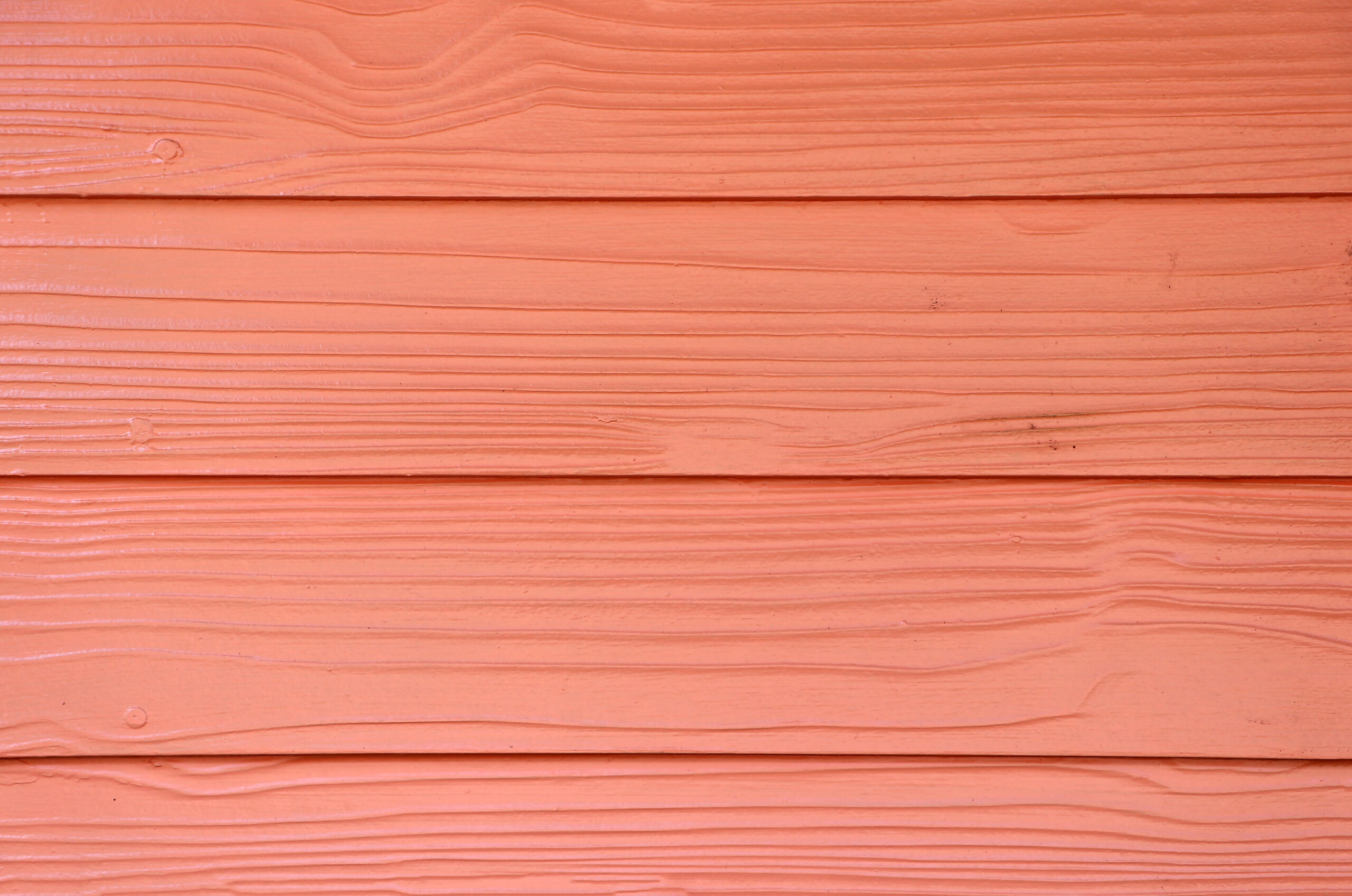
Choosing the right siding for your home is crucial. It impacts both aesthetics and protection. Two popular options are fiber cement and vinyl siding. Each has its own strengths and weaknesses.
Fiber cement siding is known for its durability and classic look. Vinyl siding, on the other hand, is praised for its affordability and low maintenance. Both materials offer unique benefits that cater to different needs.
In this guide, we will explore the durability and cost of each option. We aim to help you make an informed decision. Whether you prioritize longevity or budget, understanding these factors is key. Let’s dive into the details of fiber cement vs vinyl siding.
What Are Fiber Cement and Vinyl Siding?
Fiber cement siding is a mix of cement, sand, and cellulose fibers. This combination creates a strong and durable material. It’s designed to mimic the appearance of wood, stone, or brick.
Vinyl siding, made from polyvinyl chloride (PVC) resin, is quite different. It’s lightweight and highly flexible, making it easy to install. Vinyl offers a wide array of colors and styles to suit any home design.
Here are key characteristics of each siding type:
-
Fiber Cement Siding:
-
Durable and resistant to fire, insects, and rot
-
Mimics wood, stone, or brick
-
Requires periodic painting for upkeep
-
Vinyl Siding:
-
Lightweight and low-maintenance
-
Available in many colors and styles
-
No need for painting, resistant to fading
Each siding type provides unique benefits, catering to different needs and preferences. When choosing between fiber cement and vinyl siding, understanding these differences is essential for making a choice that aligns with your priorities.
Durability and Lifespan: Which Lasts Longer?
Durability is a key consideration when selecting siding. Fiber cement siding is renowned for its robust nature. It withstands fire, insects, and rot without breaking a sweat. Its longer lifespan is a testament to its resilience.
Typically, fiber cement siding can last between 30 and 50 years. This makes it an excellent long-term investment for your home. Its resistance to extreme weather adds to its appeal.
Vinyl siding, though not as long-lasting, still offers impressive durability. With proper care, it can last between 20 and 30 years. It’s more prone to warping or cracking under extreme temperature fluctuations.
Let’s compare their durability traits:
-
Fiber Cement Siding:
-
Lasts 30-50 years
-
Highly resistant to fire, wind, and pests
-
Vinyl Siding:
-
Lasts 20-30 years
-
Can warp or crack in extreme weather
Ultimately, fiber cement siding offers greater durability and longevity than vinyl. However, vinyl can still be a suitable option where budget and maintenance are more crucial considerations. Both options have their strengths, dependent on one’s specific needs.
Cost Comparison: Upfront and Long-Term Expenses
When comparing siding options, cost is a significant factor. Fiber cement siding usually requires a higher initial investment. Its materials and specialized installation contribute to its expense. This can be a deterrent for budget-conscious homeowners.
However, its durability and long lifespan help offset these upfront costs over time. Maintenance, while necessary, is relatively infrequent. This can lead to long-term savings despite the initial outlay.
In contrast, vinyl siding is more budget-friendly at purchase and installation. Its affordability makes it popular among homeowners looking to save on initial expenses. Vinyl also requires minimal upkeep, which reduces ongoing costs.
To summarize, here’s a brief cost comparison:
-
Fiber Cement Siding:
-
Higher initial cost
-
Less frequent maintenance over time
-
Vinyl Siding:
-
Lower initial cost
-
Minimal ongoing maintenance costs
Ultimately, the choice between fiber cement and vinyl siding depends on your financial priorities. While fiber cement may offer greater value over decades, vinyl provides immediate savings. Opt for fiber cement if long-term durability justifies the cost. Choose vinyl if initial affordability is vital and longevity less critical.
Maintenance Needs: What’s Required Over Time?
When it comes to maintenance, fiber cement siding requires periodic attention. Homeowners will need to repaint it every 10-15 years. This helps maintain its appearance and protective qualities. While it can withstand many environmental challenges, it benefits from regular inspections for damage.
Vinyl siding, on the other hand, is low maintenance. It doesn’t need painting and resists fading well. Simple cleaning with a garden hose or power washer will suffice to keep it looking fresh. Its ease of maintenance is a major selling point.
Here’s a quick overview of maintenance needs:
-
Fiber Cement Siding:
-
Requires repainting every 10-15 years
-
Routine inspections for damage
-
Vinyl Siding:
-
Cleaning with water and detergent
-
Minimal upkeep required
Choosing between these siding types involves considering your willingness to perform periodic maintenance tasks. Fiber cement siding’s demands are more significant, but some find its durability worth the effort. Those preferring ease will likely opt for vinyl siding, enjoying its minimal upkeep requirements.
Style, Color, and Curb Appeal
Choosing siding isn’t just about function; it’s about style, too. Fiber cement siding can replicate the look of wood, stone, or brick. Its texture adds depth and character to a home’s exterior, enhancing its curb appeal. The choice to paint it any color provides endless customization.
In contrast, vinyl siding offers a broad color palette straight from the manufacturer. With pre-colored options, homeowners save time and costs associated with painting. Despite this limitation, vinyl’s uniform appearance can suit various architectural styles.
Here’s how the two compare in terms of style and appeal:
-
Fiber Cement Siding:
-
Mimics natural materials
-
Customizable with any paint color
-
Provides a distinctive look
-
Vinyl Siding:
-
Available in many pre-colored options
-
Uniform appearance
-
Matches diverse architectural styles
The choice between these materials depends on your aesthetic goals. While fiber cement offers flexible design options, vinyl siding brings affordability and ease of selection. Both can contribute uniquely to a home’s visual charm and impact.
Installation: DIY or Professional?
Installing siding isn’t a simple task for everyone. Fiber cement siding, being heavy and dense, typically demands professional installation. This ensures precise fitting and reduces risks of mistakes. Specialists have the necessary tools and skills to handle the material efficiently.
Conversely, vinyl siding is lightweight and user-friendly. Many homeowners embrace it for do-it-yourself projects. Basic hand tools are sufficient for cutting and installing vinyl siding. This ease of handling translates to lower labor costs and faster timelines.
To sum up the installation considerations:
-
Fiber Cement Siding:
-
Requires professional expertise
-
Demands specialized tools
-
Involves more time for installation
-
Vinyl Siding:
-
Suitable for DIY enthusiasts
-
Needs simple tools
-
Faster and cost-effective installation
Choosing the right material involves considering installation complexity. Opt for fiber cement for a long-lasting solution and professional finish. For a straightforward home project, vinyl is a practical choice.
Environmental Impact and Energy Efficiency
When considering siding materials, environmental impact is a key factor. Fiber cement siding, crafted from natural materials, is eco-friendly. It consists of sand, cellulose fibers, and cement, which have minimal environmental effects. This makes it a sustainable choice for eco-conscious homeowners.
Vinyl siding, made from PVC resin, has a different profile. The production process is less environmentally friendly. However, vinyl siding is recyclable, offering a degree of sustainability. Its lighter weight also reduces transportation emissions.
In terms of energy efficiency, fiber cement has the upper hand. It provides better insulation, contributing to lower energy bills. Vinyl siding may need additional insulation for better performance. Here’s a quick comparison:
-
Fiber Cement:
-
Eco-friendly materials
-
Better insulation
-
Vinyl:
-
Recyclable but less eco-friendly production
-
May require extra insulation
Weather Resistance and Regional Suitability
The choice between fiber cement and vinyl siding often depends on local weather. Fiber cement siding is known for its strength. It excels in regions with harsh weather conditions. Its resistance to hail and strong winds makes it ideal for storm-prone areas.
Vinyl siding, in contrast, is suitable for milder climates. Extreme temperatures can warp or crack vinyl, impacting its durability. However, in areas with moderate weather, vinyl performs well.
Different environments require different siding benefits. Here are a few considerations for each:
-
Fiber Cement:
-
Best for extreme weather
-
High resistance to wind and hail
-
Vinyl:
-
Suitable for moderate climates
-
May struggle in severe conditions
Pros and Cons Summary Table
Choosing siding involves evaluating key advantages and drawbacks. Here’s a simplified summary of fiber cement and vinyl siding considerations:
-
Fiber Cement Pros:
-
Highly durable and long-lasting
-
Excellent weather resistance
-
Fire and pest-resistant
-
Fiber Cement Cons:
-
Higher installation costs
-
Requires periodic painting
-
Vinyl Pros:
-
Affordable and easy to maintain
-
Quick and simple installation
-
Vinyl Cons:
-
Potential to warp in extreme heat
-
Limited color change options
This table provides a quick comparison. Use it to assess what’s most important for your siding needs.
Which Siding Is Right for You?
Choosing between fiber cement and vinyl siding depends on various factors. Consider your budget first. Vinyl siding is generally more affordable upfront, which appeals to budget-conscious homeowners.
Next, think about the climate where you live. Fiber cement is well-suited for areas with harsh weather conditions due to its durability. It resists fire, rot, and insects, making it a solid choice for long-term resilience.
Lastly, consider your personal preference for style and maintenance. Fiber cement offers more customization, while vinyl provides ease of maintenance. To make the best decision, weigh these factors and align them with your specific needs and priorities.
Conclusion
In the choice between fiber cement and vinyl siding, your decision should align with your home goals and lifestyle. Fiber cement offers lasting durability and customization, making it a preferred choice for those willing to invest.
On the other hand, vinyl siding provides an economical and low-maintenance option for homeowners looking for simplicity. Understanding your priorities, climate considerations, and budget will guide you to the best siding solution. By weighing these factors, you can achieve the best outcome for your home’s exterior siding needs.