When it comes to roofing, asphalt shingles remain a popular choice for homeowners due…
GAF vs. Mule-Hide: Which Roofing System Is Right for Your Twin Cities Multi-Family Property?
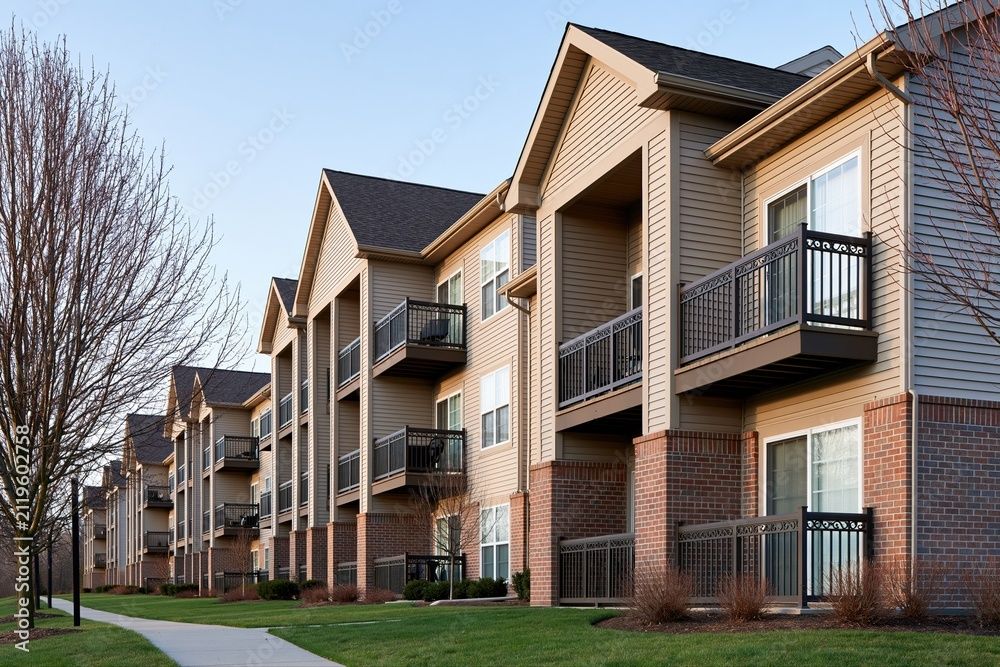
GAF and Mule-Hide both offer roofing options worth evaluating for Twin Cities multi-family properties, but the right comparison starts with your building—not the logo. GAF offers shingles and commercial low-slope systems, while Mule-Hide’s offerings include TPO, EPDM, and PVC membrane systems. This article helps Minneapolis–Saint Paul owners and managers compare building fit, budget, warranties, and installation support before requesting proposals. (gaf.com)
🏡Which roofing system fits your multi-family property?
Start with roof slope and construction: evaluate GAF shingles for suitable pitched roofs, and compare membrane assemblies for low-slope areas. GAF roofing systems include commercial TPO and PVC options, so this is not simply a choice between GAF shingles and Mule-Hide membranes. On low-slope buildings, compare equivalent assemblies rather than different material categories. (gaf.com)
For a townhome association, ask the estimator to separate pitched residential sections from low-slope garages or shared buildings. For an apartment complex, request a roof-area inventory covering drainage, rooftop equipment, existing insulation, and leak history. Make each proposal explain the recommended system for each area rather than assigning one product across the entire property.
One Nation Exteriors serves Twin Cities property managers and offers multi-family roofing services. A useful starting point is an assessment that connects those building conditions to a defined scope—not a brand recommendation made before inspection. (onenationexteriors.com)
⾕GAF vs. Mule-Hide: the decision factors that matter
Use the following comparison to organize proposals for your apartment community, condominium association, or townhome portfolio. Ask bidders to price equivalent insulation, membrane thickness, attachment methods, and warranty coverage wherever possible. Differences should be explicit enough for an owner or association board to evaluate without guessing.
Budget and project scope
Do not assume either manufacturer will automatically produce the lower installed price. Instead, require an itemized comparison covering tear-off, deck repairs, insulation, drainage improvements, flashings, disposal, and warranty fees. Ask each bidder to identify allowances and explain what happens if concealed damage is discovered.
For a low-slope project, consider requesting comparable GAF and Mule-Hide TPO proposals before introducing a different membrane type. GAF describes TPO as generally less expensive upfront than PVC, but that material-level distinction does not establish which brand will cost less on your property. (gaf.com)
Keep the funding discussion practical: separate essential repairs from optional upgrades, identify contingencies, and request a maintenance budget alongside the installation price. This gives decision-makers a clearer basis for reserve planning than a single lump-sum bid.
Warranty coverage and ownership eligibility
GAF’s shingle warranty guidance makes an important distinction for this audience: its definition of “Lifetime” applies to qualifying individually owned, single-family detached residences. For other owners or buildings, including apartment buildings and condominium associations, the stated limited warranty length is 40 years. Coverage details still depend on the applicable warranty and eligibility requirements. (gaf.com)
Mule-Hide publishes separate material/membrane warranties and roof-system warranties. Its commercial single-ply system warranty sample ties coverage to an eligible contractor, approved components, exclusions, and owner obligations. Do not treat a material-only warranty as equivalent to a system warranty simply because the advertised terms have similar lengths. (mulehide.com)
Before approval, request the actual proposed warranty—not just a brochure. Have the contractor identify covered labor, exclusions, transfer requirements, reporting deadlines, maintenance obligations, and any separate workmanship warranty.
Installation networks and local availability
Both manufacturers have contractor eligibility requirements associated with system coverage. GAF identifies Master or Master Select contractors for applicable commercial guarantees; Mule-Hide’s commercial system warranty sample requires a warranty-eligible contractor. A residential credential alone should not substitute for confirmation of eligibility for your proposed commercial assembly. (gaf.com)
When comparing roofing contractors, request confirmation of current manufacturer eligibility and recent experience with similar occupied multi-family buildings. Ask about crew availability, material lead times, service coverage, and who handles warranty registration. For Twin Cities managers, a qualified network only helps if an appropriate local installer can deliver the project and support it afterward.
🤔How should Twin Cities weather influence the choice?
Evaluate the complete roof assembly and its moisture management rather than treating either brand as a shortcut to winter performance. University of Minnesota Extension explains that ice dams develop through the interaction of snow, outdoor temperatures, and uneven roof temperatures caused by building heat loss. Replacing the roof covering alone does not address that underlying heat-loss problem. (extension.umn.edu)
For pitched buildings with recurring winter leaks, request an assessment of ceiling air leakage and insulation alongside the roofing scope. For low-slope buildings, ask the designer or contractor to explain drainage, insulation layout, flashing details, and the assembly’s suitability for the specific building. Require written justification for wind and hail performance rather than accepting a general “Minnesota-ready” claim.
Keep performance claims separate from warranty promises. GAF notes that enhanced hail and accidental-puncture guarantees are available only on select systems, while Mule-Hide’s sample warranty contains weather-related exclusions. Confirm the coverage actually included in your proposal. (gaf.com)
🔄Build a proposal that works for residents and management
Before selecting a system, add these operating requirements to the bid request:
- Resident communication: Specify advance notices, daily work hours, parking restrictions, and a contact for concerns.
- Site logistics: Require plans for entrances, deliveries, dumpsters, landscaping protection, and cleanup.
- Scope changes: Establish how concealed damage will be documented, priced, and approved before additional work proceeds.
- Closeout records: Request installation photos, product information, warranty documents, and maintenance instructions for your property files.
These requirements keep the discussion focused on execution as well as materials. Ask every bidder to respond to the same checklist so scheduling and service commitments remain comparable.
🫣Choose the assembly, then the brand
The strongest proposal explains why its system fits your building, what the price includes, and which warranty you will receive. Ask One Nation Exteriors to assess your Twin Cities multi-family property and discuss appropriate roofing options. Bring your leak history, reserve priorities, and resident scheduling constraints so the recommendation starts with your property’s needs.