When it comes to roofing, asphalt shingles remain a popular choice for homeowners due…
5 Of The Best Asphalt Shingles You Can Choose From
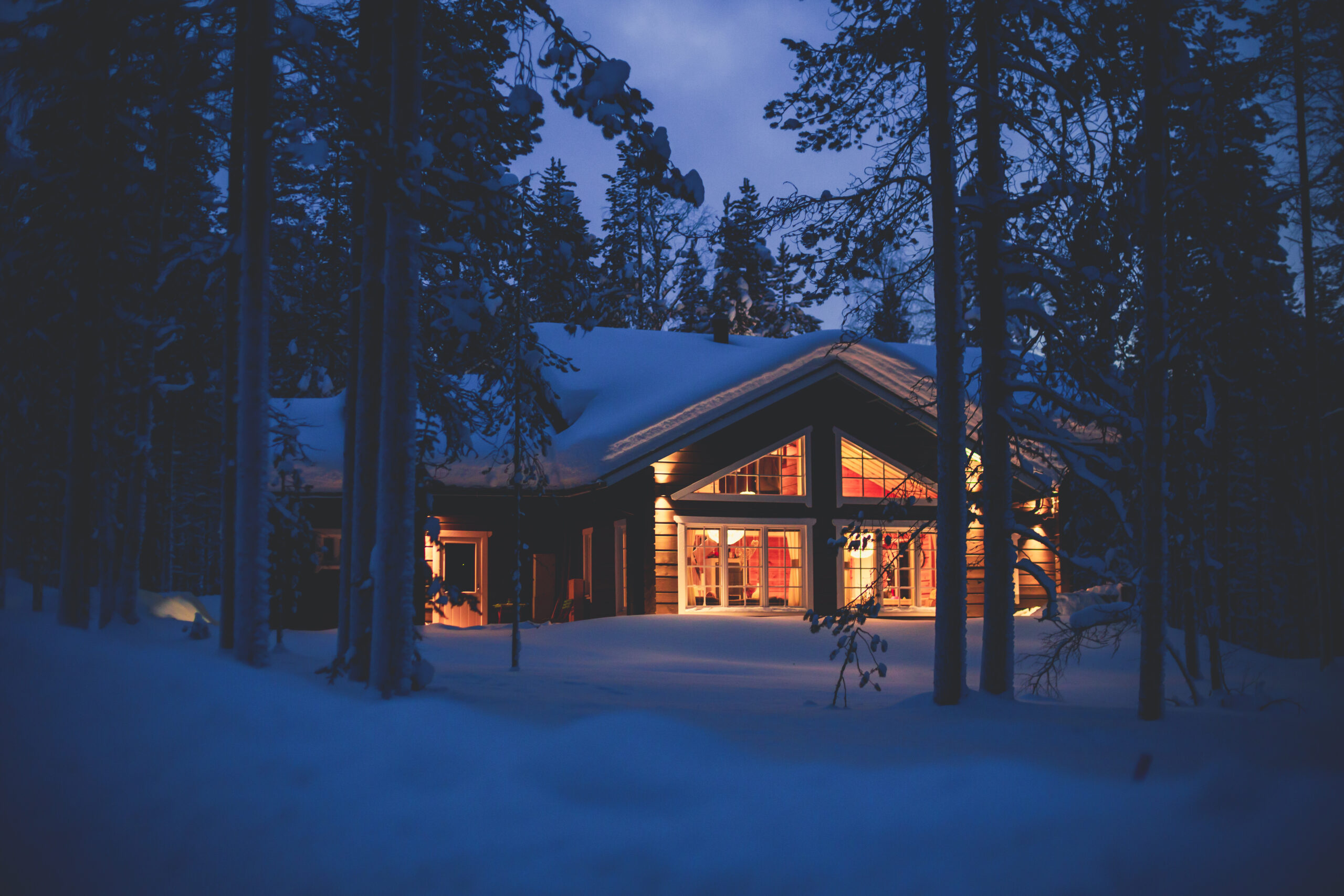
Winter is fast approaching, and with it comes the cold weather that can wreak havoc on your home if you’re not prepared. While the cold can be a welcome change, especially during the holiday season, it also brings challenges that can affect your home’s structure and your comfort. Ensuring your home is properly winterized not only keeps you warm but also helps in saving on energy costs. The process might seem daunting at first, but with a strategic approach, it becomes manageable and even rewarding. In this guide, we will explore effective tips to winterize your home, focusing on insulation, concrete, and roof maintenance.
Winterizing your home is crucial for maintaining energy efficiency, protecting structural integrity, and ensuring the comfort of your family. As temperatures drop, your home is exposed to harsh elements such as snow, ice, and freezing winds. Without adequate preparation, these elements can lead to increased energy bills, water damage, and even compromised structural safety. A well-prepared home can withstand the harsh winter elements and prevent costly repairs down the line. Moreover, the peace of mind that comes with knowing your home is secure and efficient is invaluable.
Investing time and resources into winterizing your home can also increase its value. Potential buyers often look for homes that are energy-efficient and well-maintained, making your efforts worthwhile if you ever decide to sell. Let’s delve into the specifics of how you can winterize your home effectively, ensuring that you and your family stay warm and protected throughout the winter months.
The first step to winterizing your home is to assess the current state of your insulation. Proper insulation is your first line of defense against the cold, preventing warm air from escaping and cold air from infiltrating. Inspect the attic, walls, and floors for any gaps or areas where insulation may be lacking. Pay special attention to older homes, as they often have insufficient or deteriorated insulation. These homes may have been built with outdated materials that no longer meet modern energy efficiency standards.
If you’re unsure about the effectiveness of your insulation, consider hiring a professional to conduct an energy audit. They can use tools like thermal imaging cameras to identify areas of heat loss and suggest improvements. This assessment can provide you with a clear understanding of where your home stands in terms of energy efficiency and what steps you need to take next.
If you find that your home is under-insulated, consider upgrading or adding insulation. This is one of the most cost-effective ways to improve your home’s energy efficiency and comfort. There are various types of insulation materials such as fiberglass, foam, and cellulose. Each has its advantages, so choose one that best suits your home’s needs and your budget.
- Fiberglass Insulation: Popular for its affordability and ease of installation, fiberglass is an excellent choice for attics and walls. It’s non-flammable and resistant to moisture, making it a safe option for many households.
- Foam Insulation: Offers superior air sealing properties, making it ideal for filling gaps and cracks. Foam insulation can expand to fill spaces, providing an effective barrier against air leaks and drafts.
- Cellulose Insulation: Made from recycled materials, it’s an eco-friendly option with good thermal performance. It can be blown into wall cavities and attics, providing a tight seal that minimizes heat loss.
Sealing gaps and cracks is a simple yet effective way to improve your home’s insulation. Even small leaks can lead to significant heat loss and increased energy bills over time. Use caulk or weatherstripping to seal around windows, doors, and any other areas where air might leak. This prevents cold drafts from entering and warm air from escaping, enhancing the overall comfort of your living space.
In addition to windows and doors, check for gaps around electrical outlets, baseboards, and plumbing fixtures. These areas are often overlooked but can contribute significantly to heat loss. By addressing these small details, you can maximize the efficiency of your insulation and keep your home cozy throughout the winter.
Concrete surfaces, especially your foundation, driveway, and walkways, are susceptible to damage from freeze-thaw cycles in the winter. Water can seep into cracks, freeze, and expand, leading to further damage. Inspect these areas for any cracks or signs of wear and repair them before the cold sets in. Use a concrete sealant to fill cracks and prevent further damage. This proactive approach can save you from costly repairs in the future.
Regular inspections can also help you identify potential problem areas before they become severe. By addressing these issues early, you can maintain the structural integrity of your home and avoid disruptions during the winter months. Consider setting a regular schedule for checking your concrete surfaces, especially after heavy rains or significant temperature changes.
Applying a concrete sealer provides an additional layer of protection against moisture and ice. Sealers create a barrier that prevents water from penetrating the concrete surface, reducing the risk of cracks and deterioration. This helps in preventing water from seeping into the concrete, which can cause it to crack when it freezes and expands. Sealers also enhance the appearance of your concrete, giving it a fresh and well-maintained look.
There are different types of concrete sealers available, such as penetrating sealers and film-forming sealers. Penetrating sealers are absorbed into the concrete, providing long-lasting protection, while film-forming sealers create a protective layer on the surface. Choose a sealer that suits your specific needs and the climate in your area for optimal results.
Check that your gutters and downspouts direct water away from your foundation. Proper drainage is crucial to prevent water accumulation around your home, which can lead to foundation issues. Water pooling near your foundation can cause soil erosion and increase the risk of leaks and structural damage. Ensure that your landscape is graded away from your home to facilitate proper water flow.
Consider installing extensions on your downspouts to channel water further away from your foundation. Regularly inspect your drainage system for clogs and damage, especially during the fall when leaves and debris can accumulate. Maintaining an efficient drainage system is key to preserving the health of your home’s foundation throughout the winter.
Before winter arrives, conduct a thorough inspection of your roof. Your roof is one of the most critical components of your home’s defense against the elements, so it’s essential to ensure it’s in good condition. Look for damaged or missing shingles, which can lead to leaks and water damage. Address any issues immediately to prevent further complications, as even minor damage can escalate quickly under the stress of winter weather.
In addition to shingles, check for signs of wear and tear on flashing, vents, and chimneys. These areas are prone to leaks and should be sealed properly. If you’re uncomfortable inspecting your roof yourself, consider hiring a professional roofer to conduct a comprehensive assessment.
Clogged gutters can lead to ice dams, which can damage your roof and cause leaks. Ice dams occur when melted snow refreezes at the roof’s edge, preventing proper drainage and causing water to back up under shingles. Clean your gutters and downspouts to ensure water flows freely. Consider installing gutter guards to minimize debris buildup. Gutter guards can significantly reduce the frequency of cleanings and help maintain efficient water flow.
Regular gutter maintenance is essential for preventing water damage not only to your roof but also to your home’s siding and foundation. Make it a habit to clean your gutters at least twice a year, in the fall and spring, to keep them functioning optimally.
Proper attic ventilation helps in maintaining a consistent temperature, reducing the risk of ice dams on your roof. It allows cold air to circulate in the attic, preventing the snow on your roof from melting and refreezing. Ensure that your attic has adequate ventilation to allow warm, moist air to escape, which can also help in preserving your roof’s lifespan. Good ventilation also contributes to maintaining indoor air quality and preventing the buildup of moisture and mold.
Evaluate your attic’s ventilation system and make adjustments if needed. Adding vents or improving existing ones can significantly enhance airflow and protect your roof during the winter months.
A programmable thermostat allows you to set specific temperatures for different times of the day, optimizing energy use and saving on heating costs. It can automatically lower the temperature when you’re asleep or away and raise it when you’re home and active. This feature not only enhances comfort but also ensures that you’re not wasting energy when it’s not needed.
Consider investing in a smart thermostat that can be controlled remotely via a smartphone app. These devices provide additional convenience and can offer insights into your energy usage patterns, helping you make informed decisions about your heating habits.
Heavy curtains or drapes add an extra layer of insulation to your windows. Windows are one of the primary sources of heat loss in a home, so enhancing their insulation can make a significant difference. Close them at night to keep the warmth in and open them during the day to let in natural sunlight for passive heating. This simple strategy can help reduce your reliance on artificial heating sources and lower your energy bills.
In addition to heavy curtains, consider using thermal window coverings or window films that provide additional insulation. These products can enhance your windows’ efficiency and contribute to a warmer, cozier home.
Regular maintenance of your heating system ensures it runs efficiently. A well-maintained system can heat your home more effectively, reducing energy consumption and costs. Change air filters, clean vents, and schedule a professional inspection to keep your system in top shape throughout the winter. A professional can identify potential issues before they become major problems, ensuring your system’s reliability during the coldest months.
Consider upgrading to a high-efficiency furnace or boiler if your current system is outdated. Although the initial investment may be significant, the energy savings and improved comfort can make it a worthwhile upgrade.
Winterizing your home is a proactive approach to ensuring comfort, safety, and energy efficiency during the colder months. By focusing on insulation, concrete maintenance, and roof care, you can protect your home from winter’s harsh elements and enjoy a warm, cozy living space. Implement these tips today to prepare your home for the winter season ahead. Remember, the effort you put into winterizing your home not only benefits you during the current season but also sets the foundation for a more energy-efficient and resilient home in the years to come.