When it comes to roofing, asphalt shingles remain a popular choice for homeowners due…
Is Your Siding Ready for Fall? Signs It's Time for a Replacement Before the Cold Sets In
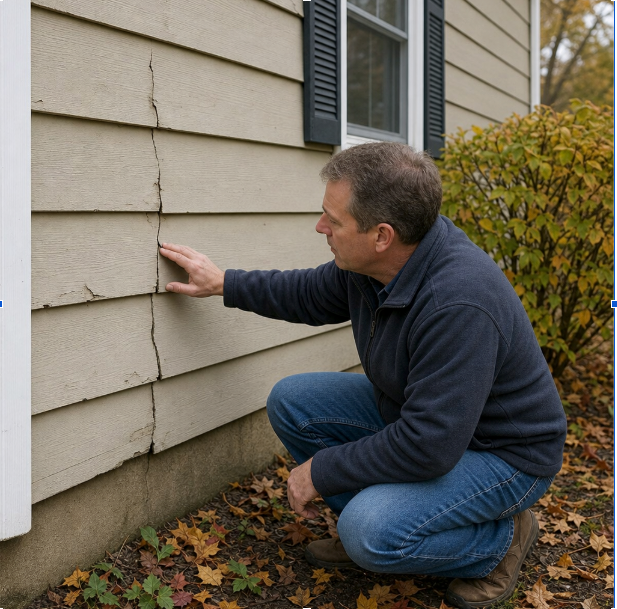
Fall is a smart time to look closely at your home’s exterior. Siding that seemed “good enough” in summer can become a bigger problem once cold air, rain, snow, and freeze-thaw cycles start testing every crack and seam. Knowing the most reliable siding replacement signs helps you protect your home before small exterior issues turn into energy loss, moisture damage, or expensive repairs.
🤔What are the clearest signs that house siding needs replacement?
The clearest signs that house siding needs replacement are widespread cracking, warping, bubbling, rot, mold, pest damage, repeated repair needs, and indoor symptoms like peeling paint or damp walls. One damaged board may only need repair, but patterns across multiple sides of the home often mean the siding system is no longer protecting the structure the way it should.
Use this quick fall inspection checklist as a starting point:
- Cracks, gaps, or loose panels: Openings let wind-driven rain and cold air reach the wall assembly.
- Warping or buckling: Distorted siding can signal trapped moisture, age, or movement behind the surface.
- Bubbling or blistering: This often points to heat or moisture problems underneath the siding.
- Soft spots or dry rot: If the siding feels spongy, it may be breaking down beyond a cosmetic issue.
- Mold, mildew, or dark staining: Surface growth can sometimes be cleaned, but recurring stains deserve a closer look.
- Faded or peeling exterior finish: Severe fading may show that the material’s protective layer is wearing thin.
- Higher heating or cooling bills: Damaged siding can contribute to air leakage, making your HVAC system work harder.
- Peeling interior paint or wallpaper: Interior moisture symptoms can be linked to exterior envelope failure.
- Frequent patching: If repairs are becoming routine, replacement may be the more practical investment.
📌Fall weather makes weak siding easier to spot
Autumn brings the kind of conditions that expose failing siding: cooler nights, wet leaves against the foundation, wind-driven rain, and early cold snaps. If your siding already has small cracks or loose seams, seasonal moisture can work its way in and expand as temperatures drop. That cycle can make existing damage worse and create hidden problems behind the exterior surface.
This is why fall is often the moment homeowners start asking when to replace siding. Waiting until winter can limit scheduling options and may leave your home exposed during the harshest part of the year. A pre-winter inspection gives you time to compare materials, talk with siding contractors, and decide whether a targeted repair is enough or a full replacement makes more sense.
🔍Exterior and interior clues should be read together
Siding problems do not always announce themselves from the curb. Sometimes the first warning appears indoors, especially around exterior walls, windows, and corners. Looking at both sides of the wall gives you a clearer picture of whether you are dealing with isolated wear or a larger protection problem.
Visible damage is more than cosmetic
Cracked, split, or missing siding can affect curb appeal, but appearance is only part of the concern. These openings can let water and pests get behind the siding, where damage may spread before you notice it. If you see the same kind of damage in several areas, especially on weather-facing walls, it is one of the stronger siding replacement signs.
Moisture symptoms deserve quick attention
Damp patches, musty odors, peeling wallpaper, or bubbling interior paint can point to moisture getting where it should not. The cause might be roofing, flashing, windows, or plumbing, but siding should be part of the investigation. If exterior siding is warped, soft, or stained near the same area, replacement may be needed to restore a reliable barrier.
Pests can reveal hidden openings
Insects and small animals often take advantage of gaps, rotted edges, and loose boards. You might notice sawdust-like debris, nesting material, tiny holes, or scratching sounds near exterior walls. Once pests find a path behind failing siding, the issue can become more than an exterior maintenance problem.
🧐Should you repair or replace your siding?
Repair may be enough when damage is small, localized, and the surrounding siding is still strong. Replacement makes more sense when the damage is widespread, recurring, or linked to moisture, energy loss, or age-related breakdown. If you are unsure, reputable siding contractors can inspect the full exterior and explain whether patching would solve the problem or simply delay it.
Consider replacement before cold weather if several of these apply:
- Damage appears on more than one wall. Multiple problem areas often point to system-wide wear.
- Repairs no longer match well. Patchwork can leave the exterior uneven and still vulnerable.
- Paint or finish fails quickly. Repainting often should not be a constant requirement.
- You suspect hidden moisture. Rot, mold, and soft areas can spread behind the visible surface.
- Your energy bills are rising without another clear reason. Air leakage around failing siding can reduce comfort.
- The siding is near the end of its useful life. Older materials may no longer perform reliably, even with repairs.
The practical question is not just “Can this be fixed?” It is “Will this fix protect the home through fall and winter?” If the answer is uncertain, replacement may offer better long-term value than another round of temporary repairs.
👍LP SmartSide is one modern option for seasonal resilience
LP SmartSide is an engineered wood siding option designed to offer the warmth of wood with improved durability and lower maintenance needs than traditional wood siding. It is made from engineered wood strands bonded with resins and treated to resist common concerns such as moisture and fungal decay. For homeowners comparing materials before fall, it can be a strong candidate when appearance, durability, and installation efficiency all matter.
Compared with some heavier siding materials, LP SmartSide is generally easier for crews to handle and install, which may help streamline the replacement process. It is also available in a range of styles, making it useful for homeowners who want to refresh curb appeal without choosing a flat or overly plain exterior. Like any siding product, performance depends on proper installation, flashing, sealing, and maintenance, so choosing qualified siding contractors is just as important as choosing the material.
👌How One Nation Exteriors helps you avoid guesswork
The best siding decisions start with a careful inspection, not a glance from the driveway. That's why our team looks for visible damage, probes suspicious soft areas, checks trim and seams, and asks about interior symptoms or comfort issues you may have noticed. We'll walk you through what we found in plain language, including where a repair is reasonable and where replacement would better protect your home.
Before you hire anyone, ask about material options, installation details, cleanup, warranties, and expected timeline. You don't need to know every technical term, but you should understand how your new siding will manage water, seal vulnerable transitions, and stand up to Minnesota weather. At One Nation Exteriors, clear communication is how we work: we're focused on your whole exterior system, not just the surface layer.
🍁The takeaway before cold weather arrives
If your siding is cracked, warped, soft, stained, pest-damaged, or causing repeated maintenance headaches, fall is the right time to act. The longer failing siding stays in place, the more opportunity cold air and moisture have to create bigger problems behind the walls. By recognizing the signs early, comparing options like LP SmartSide, and getting guidance from experienced siding contractors, you can head into winter with a home that looks better, feels more comfortable, and is better protected.