When it comes to roofing, asphalt shingles remain a popular choice for homeowners due…
Maximizing Your Insurance Claim After Roof Storm Damage | One Nation Exteriors
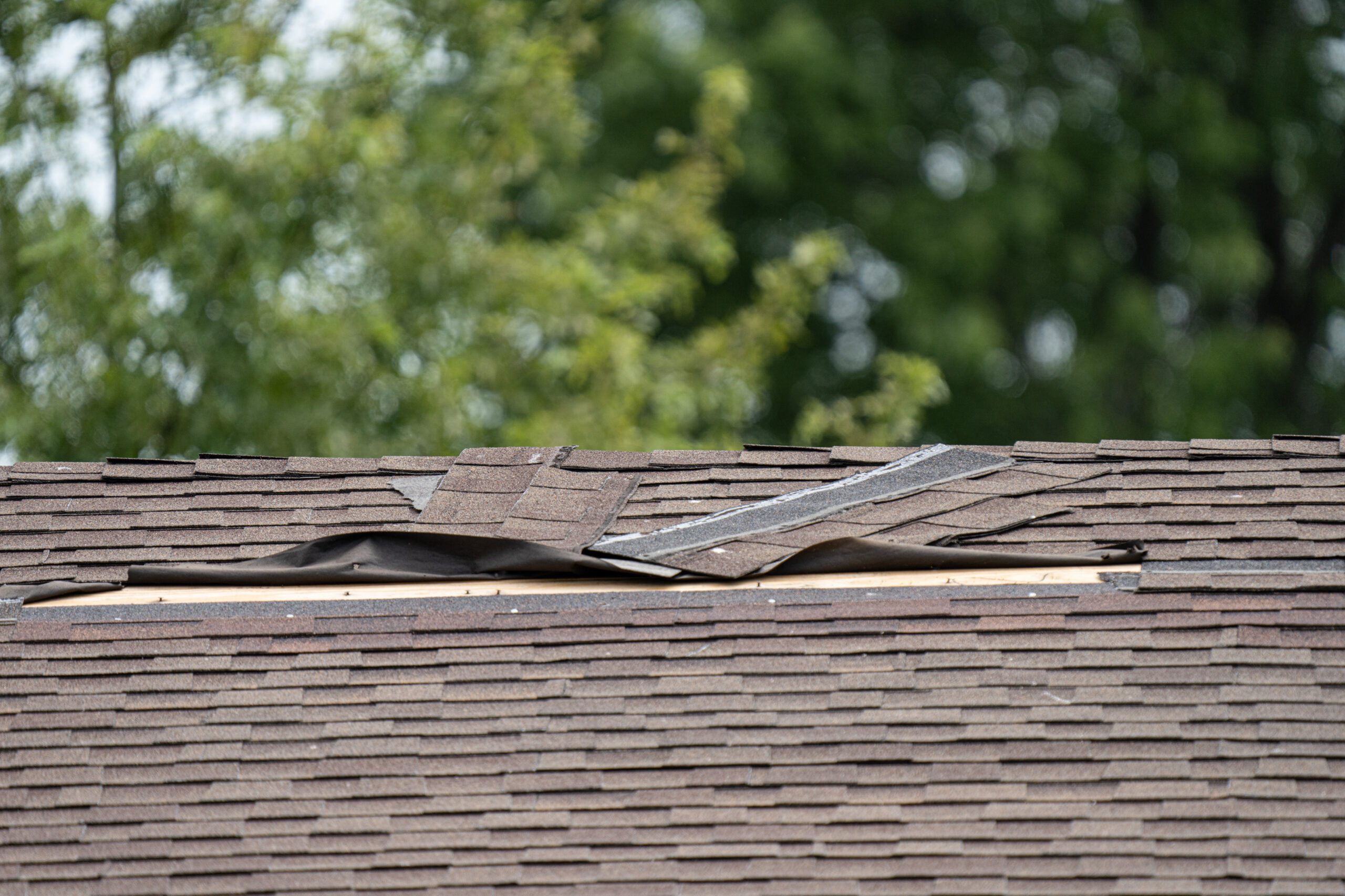
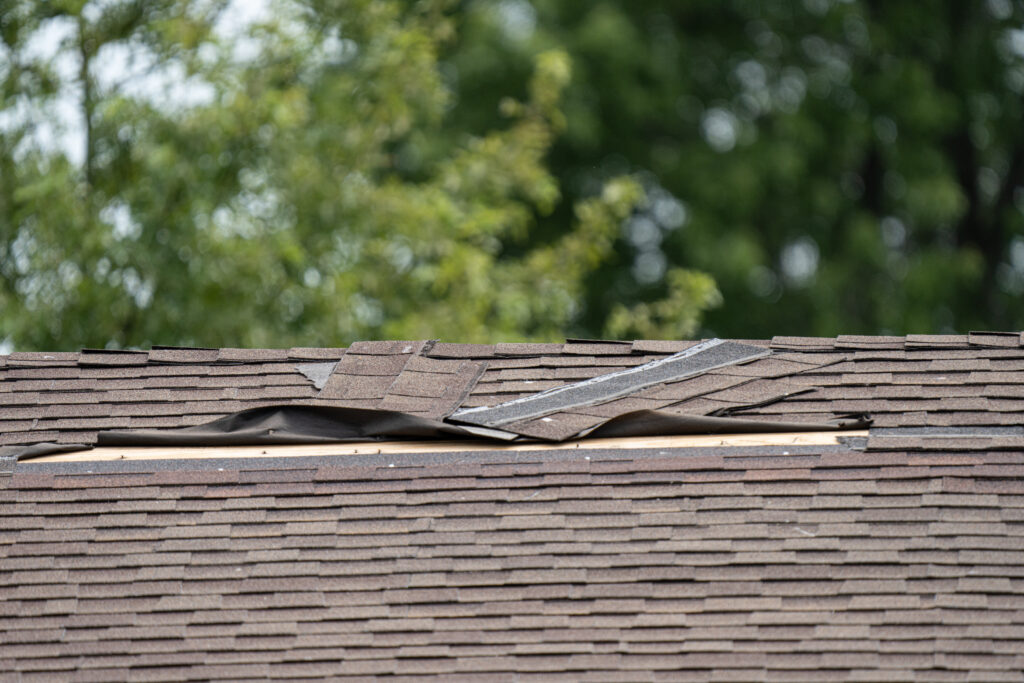
The first and most crucial step after a storm has passed is to thoroughly assess the damage. It’s essential to prioritize safety by inspecting your roof from the ground rather than risking a climb on a potentially unstable structure. Look for visible signs such as missing shingles, dents, or other damage that storms often cause. Additionally, it’s important to check inside your home for leaks or water stains, as these can be indicators of roof damage that may not be immediately visible from the outside.
Furthermore, take note of any displaced debris around your property, as this can provide clues about the severity of the storm’s impact. It’s also wise to assess the surrounding trees and landscaping for damage, as fallen branches or uprooted trees can contribute to roof damage. Understanding the full scope of the damage will not only aid in filing a comprehensive claim but will also help you communicate effectively with contractors and insurance adjusters.
When it comes to filing a successful insurance claim, documentation is absolutely key. Begin by taking detailed notes of all the damage you observe. Photographs are particularly effective, so take a comprehensive set of pictures that show the damage from a variety of angles. Include both close-up shots to capture specific issues and wide shots to show the overall impact on your property. This evidence will be crucial when you present your case to the insurance company, serving as undeniable proof of the damage sustained.
In addition to photographs, consider creating a video walkthrough of the damage to provide context and a real-time perspective. Keep a detailed log of all communications with your insurance company and contractors, noting dates, times, and the nature of the conversations. This level of documentation will be invaluable if any disputes arise during the claims process.