When it comes to roofing, asphalt shingles remain a popular choice for homeowners due…
Roof Lifespan In Minnesota: Tips & Materials | One Nation Exteriors
Minnesota’s climate is known for its harsh winters and heavy snowfall. These conditions can significantly impact the lifespan of roofs. Homeowners often wonder how long their roofs will last in such an environment.
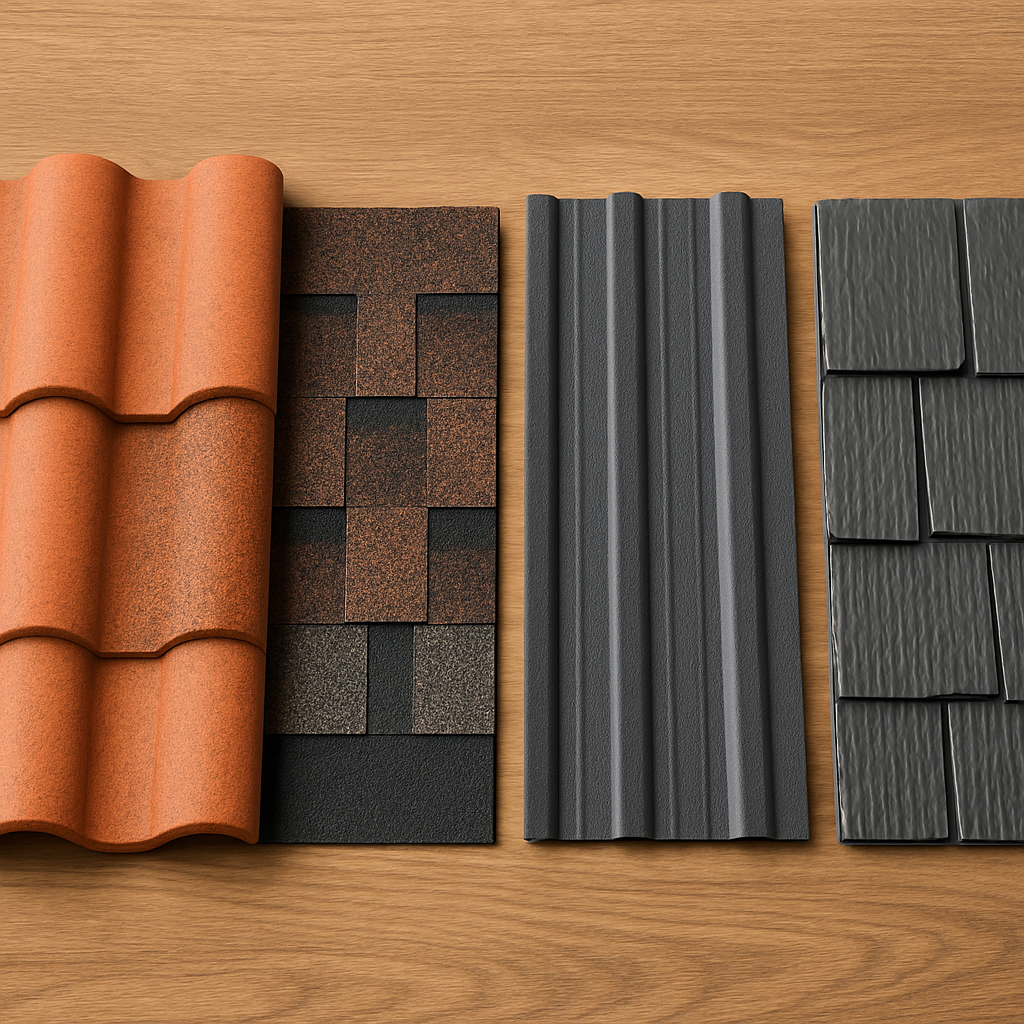
Understanding the factors that affect roof longevity is crucial. Different roofing materials offer varying life expectancies. Asphalt shingles, metal, cedar shake, and slate each have unique benefits and drawbacks.
Regular maintenance and timely repairs can extend a roof’s life. It’s essential to recognize signs of wear and tear early. This can prevent costly damage and ensure your roof lasts as long as possible.
Choosing the right roofing material is vital for durability. It can also enhance your home’s energy efficiency and curb appeal. Working with experienced roofing contractors can help you make informed decisions.
In this article, we’ll explore roof life expectancy in Minnesota. We’ll provide insights into maintenance, replacement, and choosing the best materials for your home.
❄️Understanding Minnesota’s Climate and Its Impact on Roofs
Minnesota experiences extreme weather conditions year-round. Harsh winters bring heavy snowfall, ice, and freezing temperatures. These elements challenge roof durability and can significantly shorten roof lifespan in Minnesota.
The state also faces significant temperature fluctuations. Summers can be hot and humid, further stressing roofing materials. This constant expansion and contraction can lead to structural issues over time.
Wind and ice present additional hazards, often causing direct damage. Ice dams are particularly troublesome, forming when snow melts and refreezes along roof edges. These conditions require attention to prevent leaks and water damage.
To cope with these challenges, homeowners should prioritize durable roofing materials. Essential practices include:
- Regular inspections for damage
- Proper attic ventilation
- Timely repairs of minor issues
🏠Typical Roof Lifespans by Material in Minnesota
Roof longevity in Minnesota varies widely with material choice. Each material reacts differently to the state’s unique climate conditions. Homeowners should consider both lifespan and maintenance needs. Here’s a breakdown of common roofing materials and their expected lifespans in Minnesota:
- Asphalt Shingles: 15-30 years
- Metal Roofs: 40-70 years
- Cedar Shake and Wood Roofs: 30-50 years
- Slate, Tile, and Synthetic Roofs: Over 100 years
Proper selection can affect not just lifespan but energy efficiency. Materials that endure cold and heat extremes may save on repairs. Understanding these longevity differences helps in planning future roof replacements. Moreover, it aids in making an informed decision, aligning with both budget and architectural needs. Choosing a material fit for Minnesota’s climate can enhance overall home value and safety.
Asphalt Shingles
Asphalt shingles are popular in Minnesota for their affordability and versatility. They generally last between 15 to 30 years. Harsh winters may reduce this lifespan without proper maintenance.
Regular inspections are crucial to maintaining asphalt shingles in optimal condition. Addressing issues like missing shingles can prevent leaks. Despite their relatively short lifespan, they remain a cost-effective option for many homeowners.
Metal Roofs
Metal roofs excel in Minnesota’s harsh climate. Known for their durability, they can last 40 to 70 years. Their resilience to wind, ice, and snow makes them highly reliable.
While initial installation costs are higher, metal roofs offer long-term savings. They require minimal upkeep and are energy-efficient, reducing heating costs. Their longevity often justifies the upfront investment, making them a wise choice.
Cedar Shake and Wood Roofs
Cedar shake roofs provide both beauty and functionality. With proper care, they last between 30 to 50 years. Maintenance includes regular cleaning to prevent moss and rot.
Wood roofs blend well with natural landscapes, enhancing curb appeal. However, they demand more maintenance than other materials. Choosing cedar shakes offers a blend of aesthetics and moderate lifespan.
Slate, Tile, and Synthetic Roofs
Slate and tile roofs stand out for their incredible durability. These materials can last over 100 years in Minnesota’s climate. They are heavy and expensive but offer unmatched longevity.
Synthetic roofing provides a more affordable alternative. These materials mimic the appearance of slate or tile without the high cost. While not as durable as natural stone, they still offer considerable lifespan and require less structural support.
🔑Key Factors Affecting Roof Life Expectancy in Minnesota
Minnesota’s climate presents specific challenges for roofs. Variability in temperature plays a significant role in reducing roof life expectancy.
Winter ice dams, if untreated, can lead to leaks and damage. These form when melted snow refreezes at the roof’s edge, impeding drainage.
Ventilation is another crucial factor, affecting how heat and moisture move through the attic. Poor attic ventilation can reduce roof lifespan by causing deterioration.
Regular maintenance can extend a roof’s life. This involves removing debris, repairing damage, and ensuring proper drainage.
Roofs installed by skilled roofing contractors tend to last longer. Quality workmanship ensures the materials perform optimally.
Lastly, environmental factors, like nearby trees, can influence roof longevity. Overhanging branches can scrape surfaces and deposit debris, promoting wear.
-
Major factors:
-
Climate variability
-
Ice dams and snow loads
-
Quality of installation
-
Ventilation and insulation
-
Tree coverage and debris
Understanding these factors aids in prolonging a roof’s service life in Minnesota.
🆘Signs Your Roof May Need Replacement
Recognizing when your roof requires replacement is crucial. Ignoring signs of damage can lead to costly repairs.
Look for missing or curling shingles. These are often indicators of roof wear.
Water stains on your ceiling can signal leaks. Such damage can worsen over time.
Examine your roof for sagging areas. They might point to structural weaknesses.
Moss growth is another red flag. Moss can trap moisture, leading to rot.
Regularly inspect the attic. Persistent dampness or light breaches require attention.
-
Key indicators:
-
Missing or damaged shingles
-
Water stains or leaks indoors
-
Sagging or bending roof lines
-
Moss or algae accumulation
-
Unexpected increases in energy bills
Being proactive can prevent major issues. Early detection allows for timely roof replacement before severe damage occurs.
Roof Maintenance Tips to Extend Lifespan
Regular maintenance is key to extending your roof’s lifespan. Simple actions can prevent extensive damage.
Start by cleaning gutters to prevent clogs. Blocked gutters can cause water overflow and damage.
Trim nearby trees to reduce debris accumulation. Falling branches pose a risk to your roof’s integrity.
Inspect your roof after severe weather. Look for loose or damaged shingles that need fixing.
Ensure proper attic ventilation. Good airflow prevents moisture buildup and heat damage.
-
Essential maintenance steps:
-
Clear debris from roof surfaces
-
Trim overhanging branches
-
Check and repair roof flashings
-
Schedule regular professional inspections
-
Ensure adequate attic insulation
Adopt these maintenance habits to protect your investment. A well-cared-for roof lasts much longer, saving you money over time.
Choosing the Right Roofing Material for Minnesota’s Climate
Selecting the right roofing material is essential in Minnesota. The region’s climate demands durability and resilience.
Your choice affects longevity and energy efficiency. Consider the pros and cons of different materials.
Metal roofs offer longevity and withstand harsh weather well. They are energy efficient but more expensive.
Asphalt shingles are affordable and common. However, they have a shorter lifespan in extreme weather.
-
Factors to consider:
-
Durability against snow and ice
-
Cost and budget constraints
-
Energy efficiency and insulation properties
-
Aesthetic appeal and home integration
Evaluate these factors carefully. Consult with experts to make an informed decision.
Working with Roofing Contractors in Minnesota
Partnering with reliable roofing contractors is crucial. They provide expert guidance tailored to Minnesota’s climate.
Look for contractors with local experience. They understand the unique challenges posed by harsh winters.
-
When choosing a contractor:
-
Verify their licenses and insurance
-
Check references and reviews
-
Ask about warranties and guarantees
Contractors offer valuable insights on materials and installation. Their expertise ensures a long-lasting roof.
Roof Replacement in Minnesota: What to Expect
Replacing a roof in Minnesota involves several steps. Understanding these can ease the process.
First, get multiple quotes from roofing contractors. This helps ensure competitive pricing and quality work.
Expect some disruption during replacement. But a well-coordinated project minimizes inconvenience.
-
Key considerations:
-
Duration of the project
-
Material selection
-
Weather conditions
Finally, after replacement, verify the contractor’s cleanup. This ensures no debris is left behind. A new roof can greatly enhance your home’s safety and value.
❓Frequently Asked Questions About Roof Lifespan in Minnesota
Many homeowners have questions about their roof’s lifespan. It’s essential to have clear answers.
One common question is how the weather impacts roof life. Harsh winters can shorten roof longevity.
Another concern is about choosing the right materials. Selecting durable materials can extend roof life.
Here are a few FAQs:
- How does snow affect roofs?
- What maintenance prevents roof damage?
- When should I consider roof replacement?
Understanding these aspects can help in maintaining your roof effectively. Proper care prolongs its lifespan, ensuring peace of mind.
▶️Conclusion: Planning for Your Roof’s Future
Planning is vital for your roof’s longevity. Regular maintenance and timely repairs prevent costly issues.
Consulting with roofing contractors ensures professional guidance. With the right materials and care, your roof can withstand Minnesota’s tough climate. Always stay proactive to protect your investment and maintain your home’s value.