When it comes to roofing, asphalt shingles remain a popular choice for homeowners due…
Spring Roof Check: 5 Damage Signs In Twin Cities | One Nation Exteriors
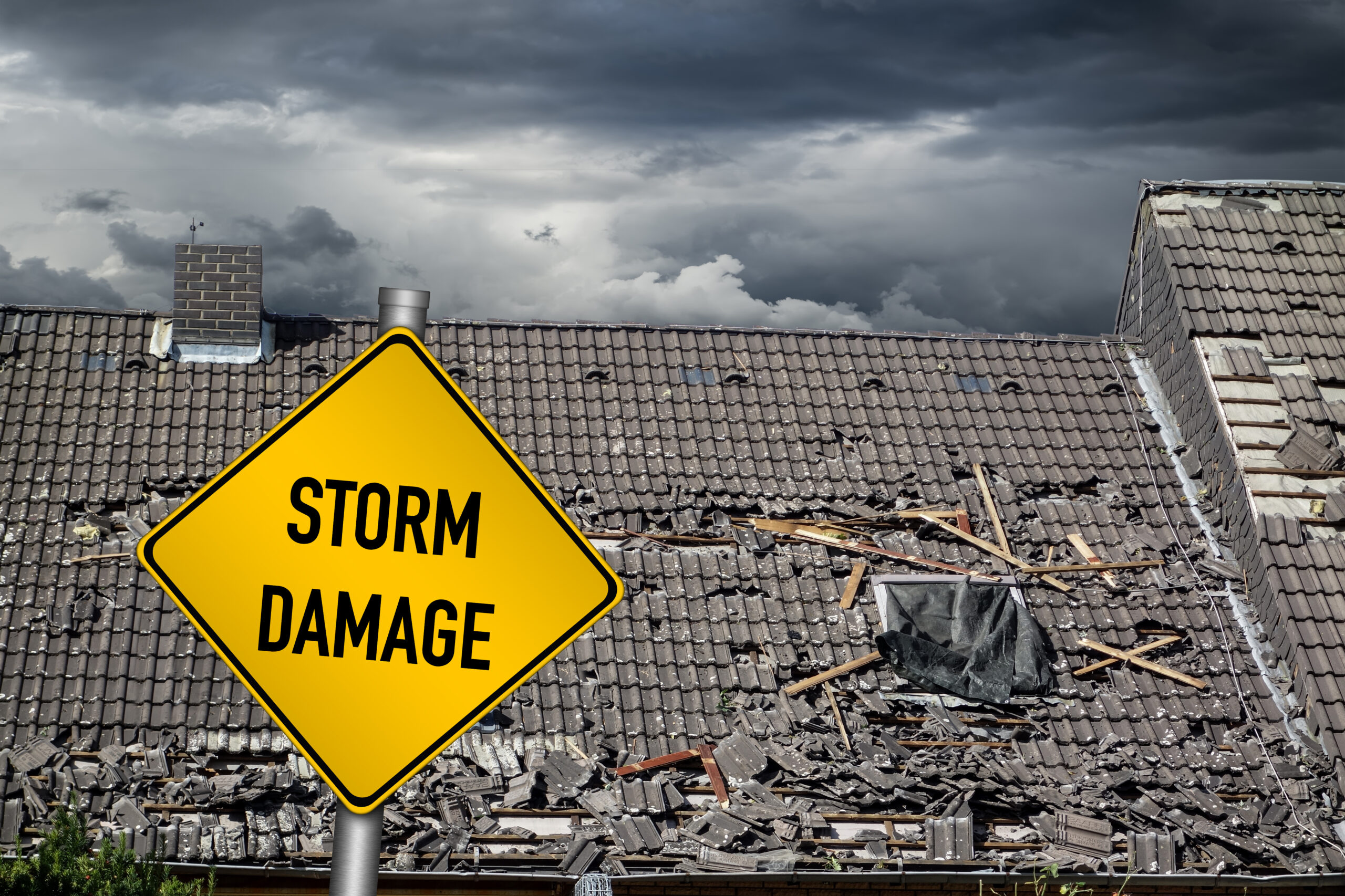
Your roof is the only barrier standing between your family and the extreme elements, yet assessing winter wear often feels overwhelming. Think of this system as the protective skin of your home. It serves as a vital waterproof membrane, but months of supporting heavy Minnesota snow loads inevitably cause invisible structural fatigue.
According to experienced roofing contractors, the spring thaw opens a critical “Diagnostic Window.” Melting ice finally exposes the “Silent Damage” that winter previously buried out of sight. In practice, acting during this safe, post-thaw period delivers incredible financial benefits by catching minor vulnerabilities before they demand expensive emergency summer repairs.
Postponing a seasonal checkup is a gamble that rarely pays off for property owners. To help you spot trouble early, the team at One Nation Exteriors LLC has outlined the essential signs of roof damage you should look for today. Identifying these specific vulnerabilities will keep your property securely protected before the next major storm hits.
✅Sign 1: Why Granules in Your Gutters Mean Your Roof is Losing Its ‘Sunscreen’
Even high-quality roofing materials need protection from the sun. Asphalt shingles are coated with tiny, crushed stones called granules. Think of these granules as your roof’s sunscreen, blocking harmful UV rays from baking the fragile asphalt underneath. Without this crucial layer, the shingles dry out, turn brittle, and will eventually leak.
Spotting this issue doesn’t require climbing a dangerous ladder—simply check the splash blocks beneath your downspouts where water exits. Add this quick visual diagnostic to your roof inspection checklist for homeowners to easily distinguish normal shedding from active failure:
- A light dusting: Normal, everyday aging.
- A heavy handful: A warning sign of accelerated roof decay.
When thick piles of this sandy ceramic debris appear in your yard, your home’s primary defense system is actively washing away with every rainstorm. Once that UV protection disappears, serious vulnerabilities develop rapidly.
🎥Sign 2: Spotting Curled or ‘Bald’ Shingles Before the First Summer Thunderstorm
Grab a pair of binoculars and scan your roof from the driveway to spot curled shingles before they fail. Contractors measure roofing materials by the “Square” (a 100-square-foot area), and finding warped spots across even a single Square signals an urgent problem. Spotting these early signs of damage requires knowing exactly how these materials bend under stress.
Not all bending means the same thing for your home. “Cupping” happens when shingle edges turn upward like a bowl, directly indicating trapped attic heat is baking the material from the inside out. Conversely, “clawing” occurs when the edges curl downward into the roof, which is a natural symptom of extreme old age and drying asphalt.
Your current roof type dictates how quickly this decay happens. A quick architectural versus three-tab shingle comparison reveals that thicker, multi-layered architectural styles naturally resist warping much better than flat three-tab versions. When trapped heat destroys either material, that moisture eventually moves indoors.
🚫Sign 3: Decoding Attic Humidity and Ceiling Stains to Stop Hidden Mold
While warped shingles are visible outside, dangerous moisture damage often hides right above your ceiling. If brownish rings resembling spilled coffee appear on your drywall, you are witnessing the final stage of an active, damaging leak.
Your home’s attic acts as its lungs, requiring steady airflow to breathe. Without it, trapped rising heat cooks shingles from the inside out and transfers moisture to the roof decking (the wooden boards forming your roof’s foundation). This sparks vapor condensation, fueling hidden rot around common vulnerable areas:
- Vent pipes and exhaust fans
- Chimney perimeters
- Roof valleys (where two downward slopes meet)
Following strict local building codes for attic ventilation prevents freezing winter air from fueling spring condensation disasters that ultimately demand emergency roof leak repair solutions. Left unchecked, these ongoing moisture cycles severely weaken your home’s exterior defenses.
❄️Sign 4: How Ice Dam Hangovers Damage Your Flashing and Drip Edges
You already know ice dams form heavy, frozen blocks on your gutters, but the real threat happens when trapped water refreezes under your shingles. This creates mechanical expansion damage, a process where freezing water acts like a crowbar against your home’s exterior defenses, making ice-pried metal the primary cause of sudden spring leaks.
Two critical components usually take the brunt of this winter abuse. Look closely at your drip edge (the protective metal “lip” at the roof’s edge directing water away from your house) to see if it is bent outward. Similarly, check your flashing (the specialized metal seals hugging your chimneys and skylights) to spot if ice has forced these joints to detach and break your roof’s waterproof seal.
Learning how to handle insurance claims for roof damage starts with documenting these separated metal strips quickly. Licensed roofing contractors can properly assess if ice compromised these seals or caused heavier load issues.
💧Sign 5: Identifying Sagging Rooflines That Signal Structural Fatigue
Standing in your driveway, your eyes naturally trace the highest peak of your home. This top horizontal edge, called the ridge line, should be perfectly straight. Unfortunately, older Twin Cities homes enduring years of heavy snow weight often display sagging peaks that look purely cosmetic but actually signal hidden trauma.
Catching these issues early is a vital part of any residential roof replacement process guide. When a contractor feels a soft, “bouncy” area underfoot, they are likely finding decking rot—moisture-ruined plywood acting as your roof’s foundation. Conversely, a wide, sweeping dip indicates rafter fatigue, meaning the thick wooden support beams underneath are bowing from extreme structural stress.
Addressing this skeletal damage correctly is one of the truest signs of quality roof installation. Guaranteeing your contractor repairs this structure rather than just hiding it requires properly vetting their credentials.
👌The Trusted Advisor’s Guide to Vetting Roofing Contractors Without the Stress
While signing a contract is a known first step for how to hire a professional roofer, the paperwork behind that agreement actually protects your savings. Successfully verifying roofing company credentials and insurance means understanding two distinct protections. General liability covers your property if a worker accidentally drops a ladder on your car, whereas workers’ compensation shields you from personal lawsuits if someone falls off your house.
Spotting out-of-town “storm chasers” who vanish after a job helps you avoid common red flags when hiring a roofer. You should always benchmark against established local standards like One Nation Exteriors LLC, and demand this four-part checklist before work begins:
- Active state contractor’s license.
- Certificate of General Liability insurance.
- Proof of Workers’ Compensation coverage.
- Manufacturer certification status.
Hiring certified roof installers is critical because manufacturers will void your material warranty if an uncertified crew makes even a single installation error. Securing a fully vetted team gives you the peace of mind needed to explore your material options safely.
🌤Comparing Costs: Architectural Shingles versus Metal Roofing for Twin Cities Weather
Evaluating a roof requires looking past the initial price tag to calculate its “life-cycle cost”—the total expense over its usable lifespan.
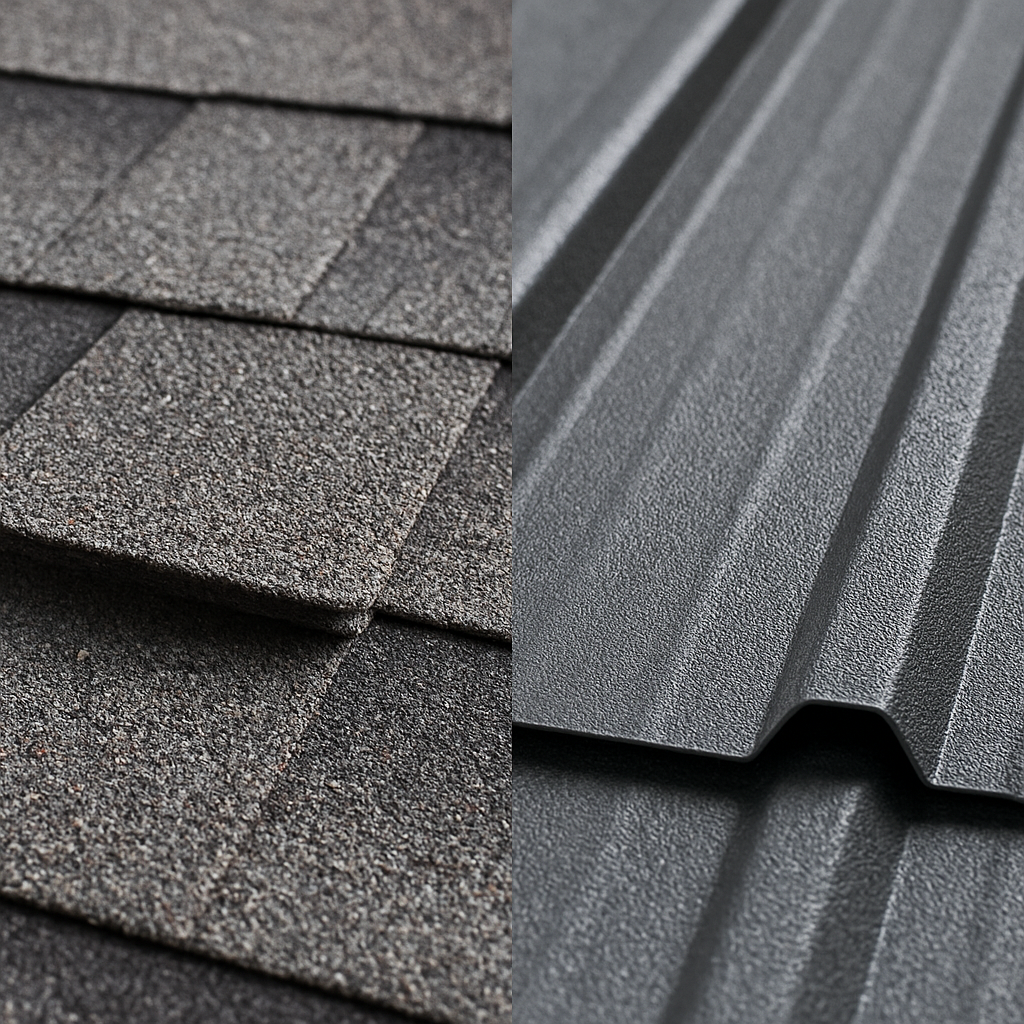
When weighing asphalt shingle versus metal roofing costs, most homeowners start with asphalt. However, it is vital to skip older, flimsy “three-tab” variations. Modern architectural shingles use thicker, bonded layers to survive harsh weather, providing the best value-per-dollar for families balancing upfront costs with long-term reliability.
Upgrading to metal transforms your home’s defense into a 50-year “one-and-done” investment. By choosing high-quality roofing materials for home durability, like textured steel panels, heavy Minnesota snow easily slides off and damaging hail simply bounces away. The initial price is steeper, but you effectively eliminate future replacement cycles.
Local buyers frequently pay a premium for either upgrade at resale. Whether you select cost-effective architectural shingles or permanent metal armor, your roof’s lifespan relies heavily on the paperwork backing it. Ensure that safety by carefully reviewing estimates and manufacturer warranties to protect your investment.
🛠Navigating Estimates and Manufacturer Warranties to Protect Your Investment
Reviewing paperwork shouldn’t feel as stressful as a leaking ceiling, but evaluating service estimates and quotes requires sharp eyes. Suspiciously low bids often hide future costs that appear on your final bill. Ensure your estimate explicitly lists:
- The specific brand name of the materials.
- All dumpster and disposal fees.
- Complete flashing replacement around chimneys.
Beyond upfront costs, understanding manufacturer workmanship warranties guarantees your peace of mind. Standard material warranties only replace defective shingles, but a workmanship warranty specifically covers the contractor’s installation labor. Always ask if your coverage is non-prorated (paying full replacement value) rather than pro-rated, which gradually shrinks your payout over time as the roof ages.
When storms hit, knowing how to handle insurance claims for roof damage speeds up your financial recovery. Empower your insurance adjuster by providing a clear documentation log featuring your original contract and dated photos of the intact roof. With your paperwork sorted, you can confidently move forward with a plan to secure your home before summer hits.
🌤Your 4-Step Action Plan to Secure Your Home Before the Summer Heat Hits
Where you once just saw shingles, you can now read your roof’s vital signs and confidently identify early warning signals. Turn that knowledge into action by making a visual roof inspection a simple 30-minute weekend task, spotting gutter granules and loose flashing right from the safety of your driveway.
When you spot a red flag, bypass analysis paralysis by contacting reputable roofing contractors immediately. Getting on a professional’s schedule early in May ensures you beat the frantic summer storm rush, transforming minor preventative maintenance into a financial win that actively preserves your property value.
Protect your home’s waterproof barrier and maximize your roof’s longevity by scheduling a professional spring assessment with a trusted local expert like One Nation Exteriors LLC today.