When it comes to roofing, asphalt shingles remain a popular choice for homeowners due…
Storm Damage Assessment: When to Call a Professional Roofer
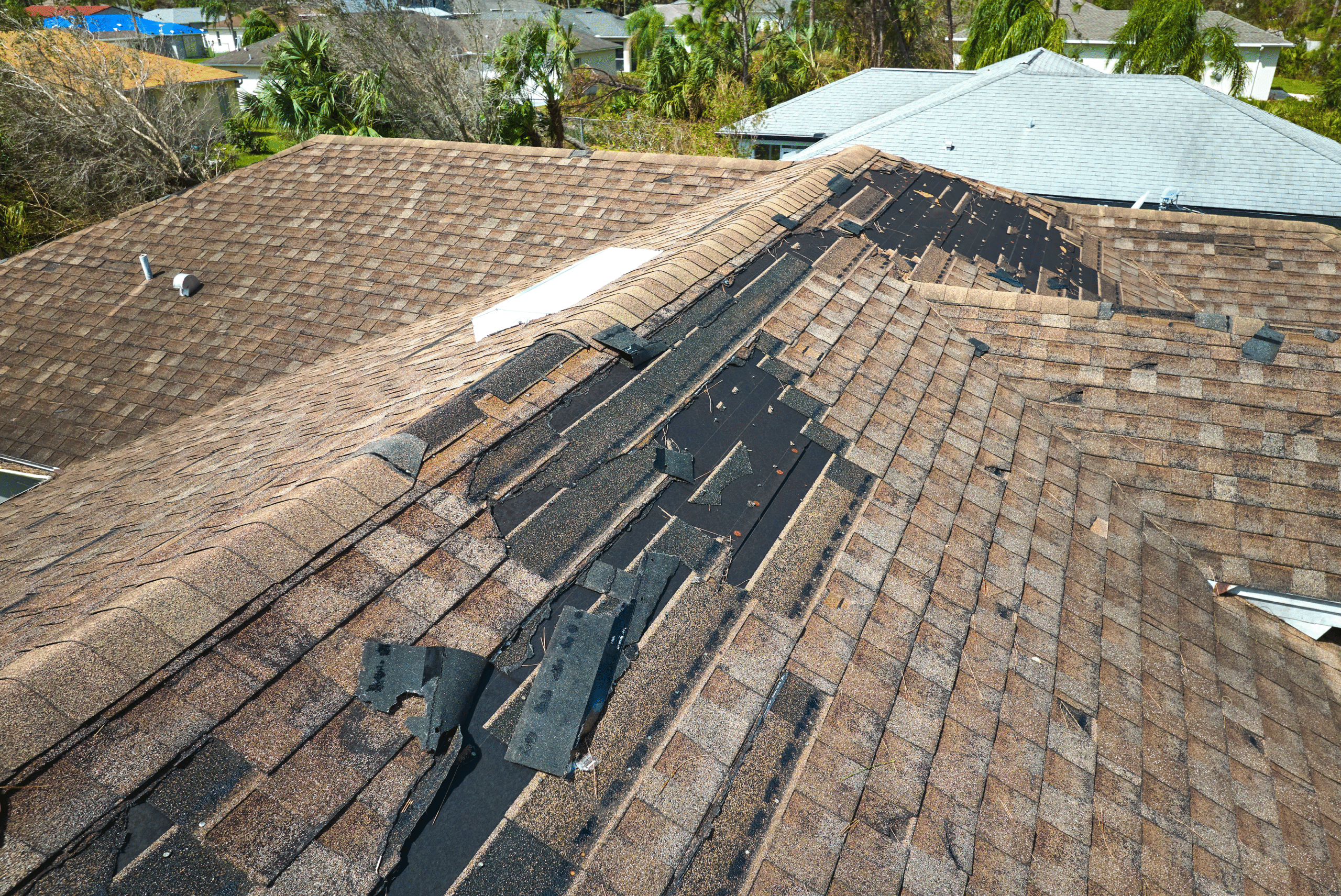
Storm damage can vary widely depending on the severity of the storm and the condition of your roof before the storm hit. The age and material of your roof also play significant roles in how well it withstands severe weather. Common types of storm damage include missing or broken shingles, leaks, and structural issues. The key to minimizing damage is quick action and thorough assessment. By addressing issues promptly, you can prevent small problems from escalating into major repairs that can be both time-consuming and expensive.
- Wind Damage: High winds can lift shingles, causing them to break or detach completely. This exposes the underlying materials to the elements, leading to potential leaks and water damage. In severe cases, wind can even cause structural damage if the roof is old or weakened.
- Hail Damage: Hail can cause dents or pockmarks on shingles, leading to leaks. The impact can also weaken the protective granules on shingles, reducing their effectiveness and lifespan. Over time, these seemingly minor damages can lead to significant water infiltration and costly repairs.
- Water Damage: Heavy rain can lead to leaks, especially if there are existing vulnerabilities like cracked or missing shingles. Water can seep into the underlayment, compromising the roof structure and leading to mold and mildew growth, which can affect indoor air quality.
- Falling Debris: Branches or other debris can cause punctures or severe damage to the roof structure. Large branches can break through the roof, causing immediate and apparent damage, while smaller debris may go unnoticed until it leads to leaks or structural issues.
After a storm, a thorough inspection of your roof is crucial. Addressing potential damage quickly can prevent further deterioration and help maintain your home’s value. Here’s a simple checklist to guide you:
- From the Ground: Start by inspecting your roof from the ground. Look for any visible damage, like missing shingles or sagging areas. This initial check can give you a good overview of the roof’s condition without putting yourself at risk by climbing onto it.
- Use Binoculars: Binoculars can help you see areas that aren’t immediately visible. This method allows you to examine the roof more closely for issues like lifted shingles or debris accumulation without needing to climb up.
- Check the Gutters: Look for shingle granules in the gutters, which could indicate wear and tear. Granules protect the shingles from UV rays, and their presence in gutters can signify that the shingles are reaching the end of their life.
- Inspect the Attic: Check for leaks or water stains in your attic, which could signal roof damage. Pay attention to any musty smells or signs of mold, as these can indicate ongoing water infiltration.
For a closer look, you might need to climb onto the roof. However, safety should always be your priority, so consider hiring a professional for this step. If you do go up:
- Check Shingles: Look for cracks, curling, or missing shingles. These issues can lead to leaks and should be addressed promptly to prevent further damage.
- Examine Flashing: Ensure the flashing around chimneys and vents is secure and undamaged. Flashing is crucial for preventing water entry at joints and intersections, and damaged flashing can lead to leaks.
- Assess Vents: Make sure roof vents are intact and free of debris. Proper ventilation is essential for preventing moisture buildup and extending the life of your roof.
- Look for Missing Shingles: Even a few missing shingles can lead to significant water damage. The exposed areas are vulnerable to rain and moisture, which can infiltrate and damage the roof deck.
- Check for Lifted Shingles: Lifted shingles may not be obvious but can still allow water to seep underneath. This can lead to hidden leaks that cause damage over time, potentially affecting the interior of your home.
- Dents and Dings: Inspect for small dents or circular cracks in the shingles. These marks can compromise the shingles’ ability to protect your roof and may lead to leaks if not repaired.
- Shingle Condition: Hail can bruise shingles, which may not show immediate leaks but can lead to issues over time. The impact can weaken the shingle structure, making it more susceptible to future damage.
- Attic and Ceiling: Water stains or dampness in the attic or ceiling indicate a problem. These signs suggest that water is penetrating the roof, which can lead to mold growth and structural damage if not addressed.
- Mold and Mildew: These are clear signs of ongoing water issues. Mold not only affects the integrity of your roof but can also pose health risks to the occupants of the home.
- Check for Punctures: Look for any visible punctures in the roofing material. Punctures can lead to leaks and should be repaired promptly to prevent further water damage.
- Inspect Structural Integrity: Ensure that the roof structure hasn’t been compromised by heavy debris. Significant impacts can weaken the roof’s support system, leading to potential collapse or extensive repairs.
While some minor repairs can be done yourself, there are situations when calling a professional roofer is the best choice. Professionals have the experience and tools to assess and repair damage safely and effectively.
If you notice widespread damage or multiple types of damage, it’s time to call a professional. They can provide a comprehensive assessment and repair plan. A professional roofer can identify all areas of concern, even those that aren’t immediately visible, ensuring that all issues are addressed.
Climbing onto a roof can be dangerous, especially after a storm. If you’re not comfortable or equipped to do it safely, hire a professional roofer. They have the necessary safety gear and training to perform inspections and repairs without risking injury.
A professional assessment can be invaluable when filing an insurance claim. Roofing experts can provide documentation and reports that substantiate your claim. Their detailed assessments can help ensure you receive the compensation needed to cover repairs.
Even if you only suspect damage, having a professional inspect your roof can give you peace of mind. They can identify issues that might not be immediately visible to an untrained eye. Knowing that your roof is in good condition can relieve stress and prevent unexpected issues from arising.
When selecting a roofer, consider these factors to ensure you hire a qualified professional who will do quality work.
- Experience and Expertise: Choose a roofer with a proven track record in storm damage repairs. Experienced roofers are more likely to have encountered a wide range of issues and know how to address them effectively.
- Licensing and Insurance: Ensure they are licensed and have insurance to protect both parties. This ensures that they meet industry standards and that you are covered in case of accidents or further damage during repairs.
- References and Reviews: Look for reviews and ask for references to gauge their reliability and quality of work. Speaking to past clients can provide insight into their work ethic and customer satisfaction.
- Detailed Estimates: A professional roofer should provide a detailed estimate that outlines the scope of work and costs involved. This helps you understand what to expect and compare different contractors to make an informed decision.
Storm damage can be daunting, but with a clear understanding of how to assess it and when to call in a professional, you can protect your home and wallet. A roof inspection checklist is an invaluable tool in identifying potential issues early, and a professional roofer is your best ally for significant repairs. Remember, prompt action is key to minimizing damage and maintaining the integrity of your home.
By following these guidelines, you can ensure that your roof remains a strong shield against the elements, keeping your home safe and secure through any storm. Regular maintenance and timely inspections will help extend the life of your roof, providing peace of mind and safeguarding your investment for years to come.